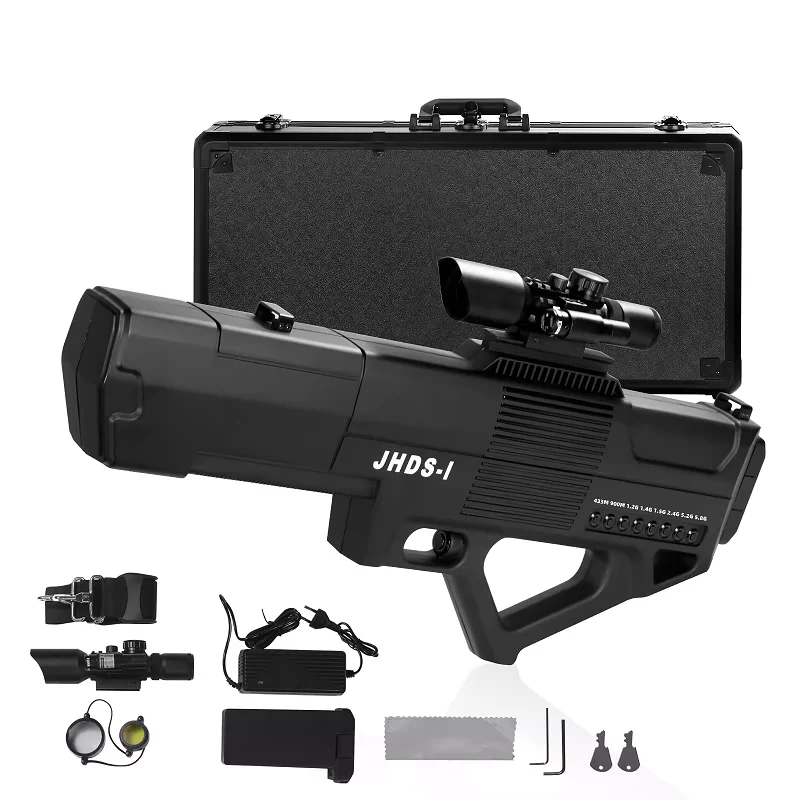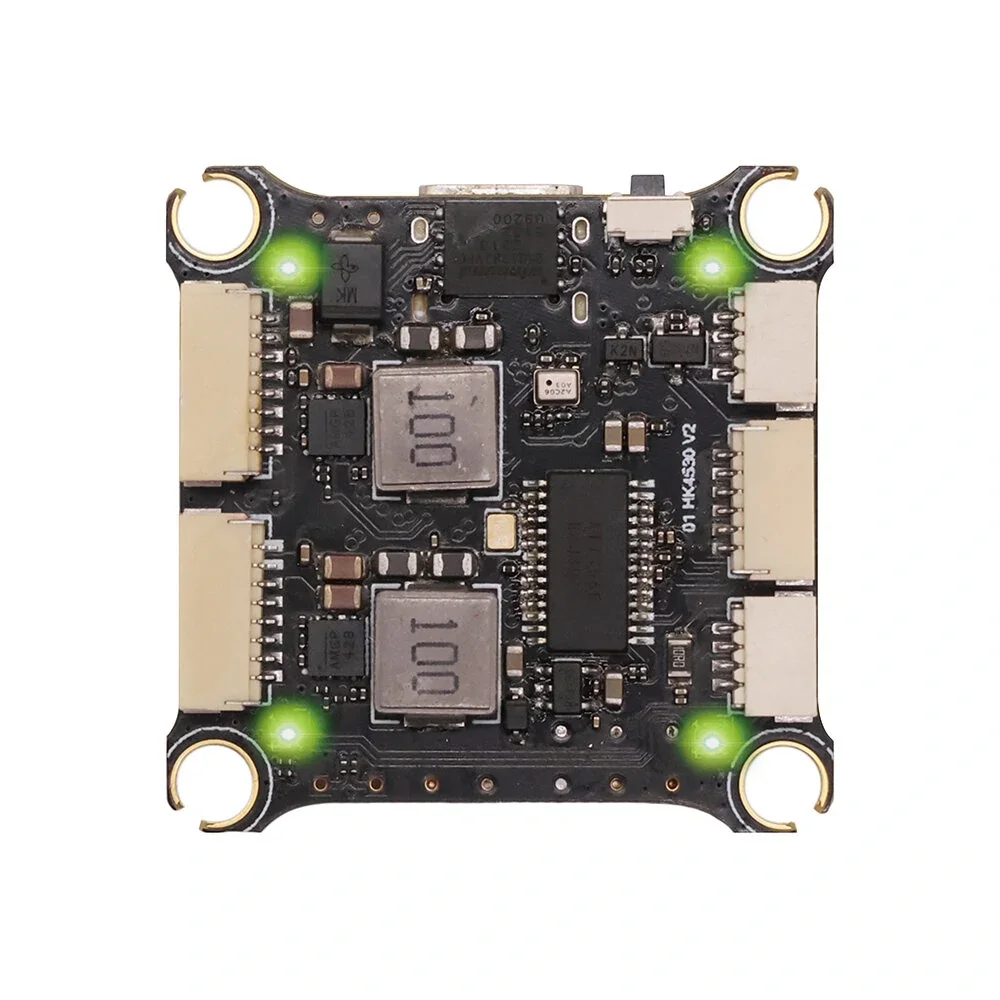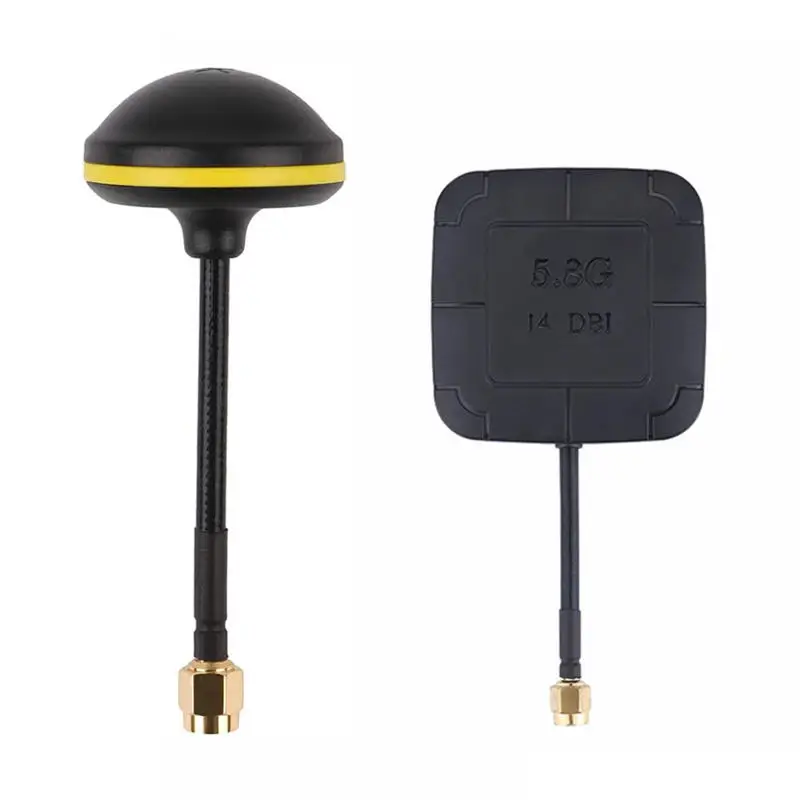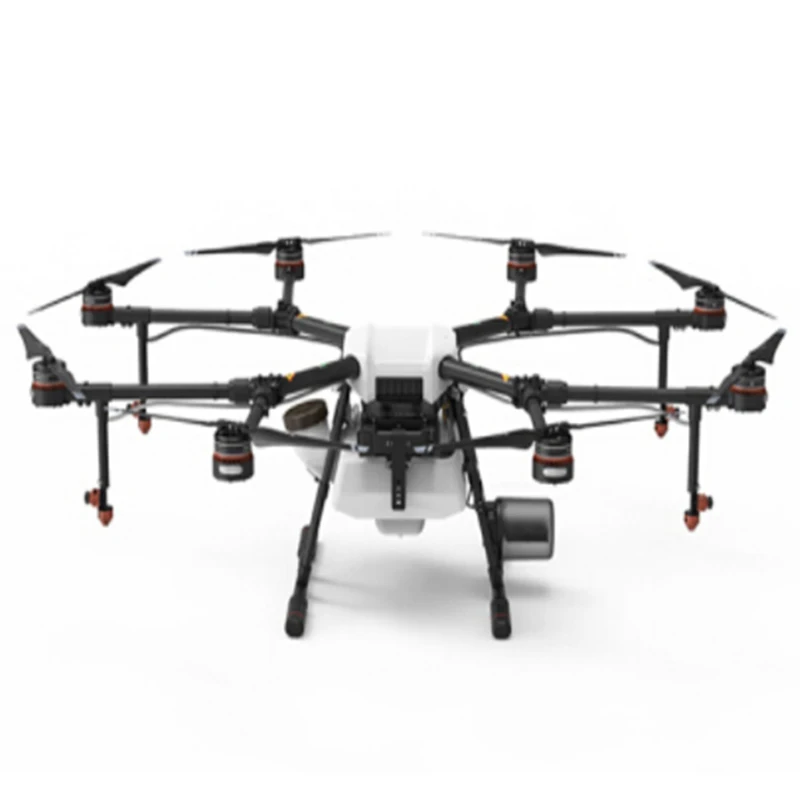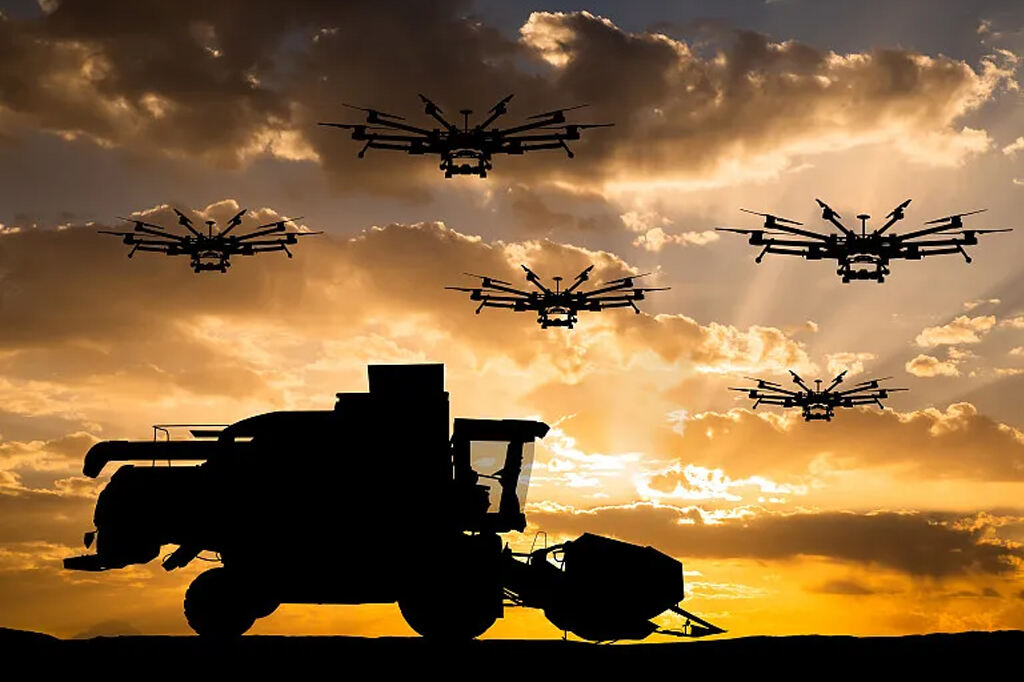
A UAV, or Unmanned Aerial Vehicle, basically means any aircraft that flies without someone inside piloting it manually. These things have become really important in both military work and everyday civilian use. On one hand, armies use them for watching enemy movements and gathering intelligence. Regular folks meanwhile snap pictures from above for real estate listings or just because they want cool photos of their neighborhood. Now don't mix up UAVs with UAS, which stands for Unmanned Aerial Systems. The UAS includes not just the flying part but also all those ground controls, antennas, and other gear needed to keep the drone connected and working properly. This whole package makes remote flying possible and allows data to travel back and forth between the craft and operators on the ground. Looking at what's happening in the market right now, companies are seeing massive growth in UAV tech demand. Everything from agriculture monitoring to delivery services shows how these machines can handle tasks in places where sending humans would be dangerous or impractical.
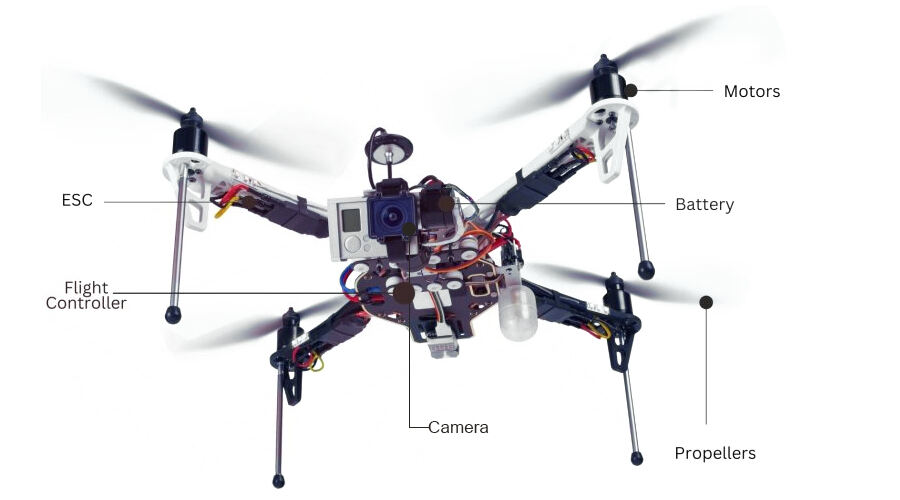
To really get how drones work, it helps to know what makes them tick inside. Brushless motors play a big role in what makes modern drones so efficient and powerful. Drones equipped with these motors fly better because they last longer and offer much finer control over movement. Most hobbyists notice this when flying through tight spaces or doing acrobatics. When it comes to capturing pictures from above, drone cameras make all the difference. Some folks just want basic snapshots for social media, while others invest in pro-grade gear like the DJI Mavic series for serious filmmaking projects. No matter what kind of camera is mounted, good stabilization matters a lot. That's where gimbals come in handy. These little devices dampen shakes and bumps mid-flight, keeping video footage smooth enough for broadcast quality work. For anyone serious about aerial photography or videography, having stable equipment means the difference between decent shots and truly professional results.
The connection between drones and their ground control stations relies on data links that enable real time sharing of information essential for operating remotely. These links serve as pathways for sending flight data back and forth while also carrying commands from operators to the aircraft itself, keeping everything running smoothly in the air. Ground control systems are pretty important too when it comes to flying and watching over drones from afar. Most setups combine specialized software with hardware components to give pilots better control over where the drone goes and how autonomous functions work. We've seen some big leaps forward recently with new data link tech making operations run faster than before. Companies report things like reduced latency issues and clearer signal strength after upgrading their equipment. As these improvements continue rolling out, we're witnessing how much more dependable drones have become across different industries, whether it's surveying land or delivering packages safely through crowded urban areas.
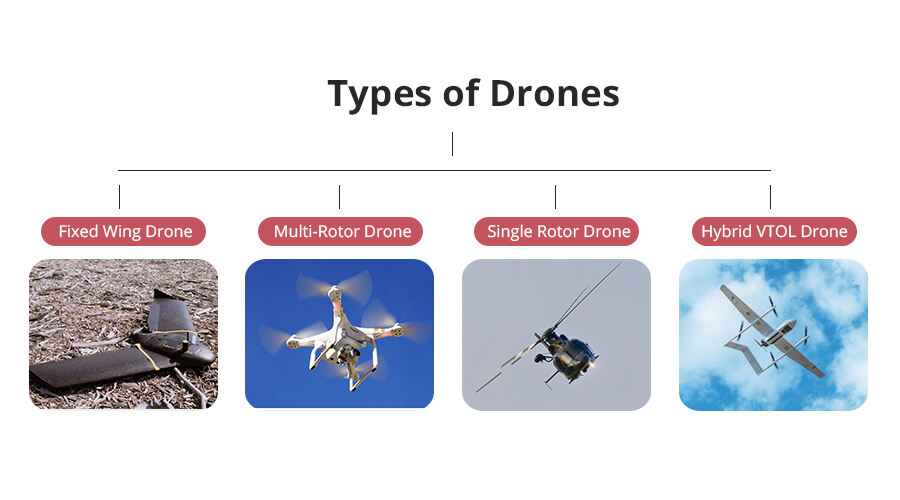
Fixed wing drones have those sleek shapes that help them travel much farther than other types of flying machines. Because they can stay airborne longer and zip across territory at good speeds, these aircraft work really well for jobs covering big distances. Farmers and environmental scientists regularly use them to get important overhead information. Take farming operations for example many growers now fly fixed wings over fields to check on crops from above, spotting problems before they become serious issues. Conservation groups do similar things when tracking wildlife movements or assessing forest conditions across wide regions. The data collected helps researchers understand ecosystems better while saving time compared to traditional ground surveys.
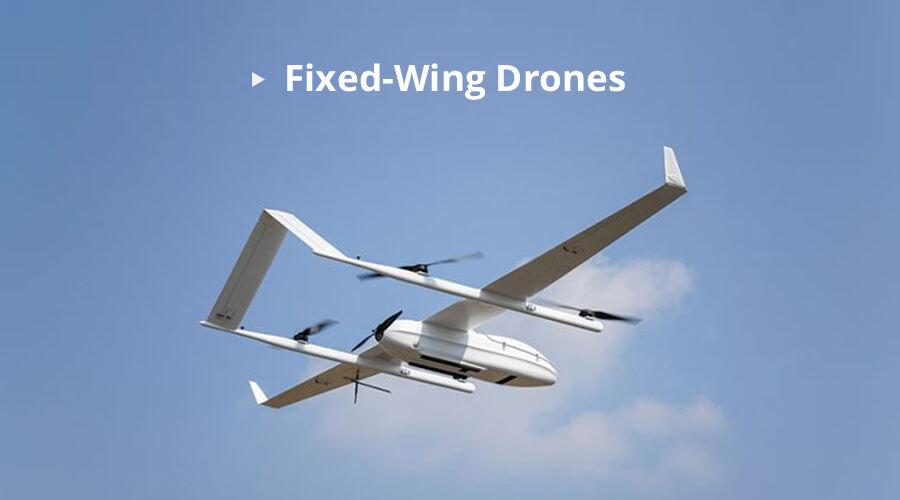
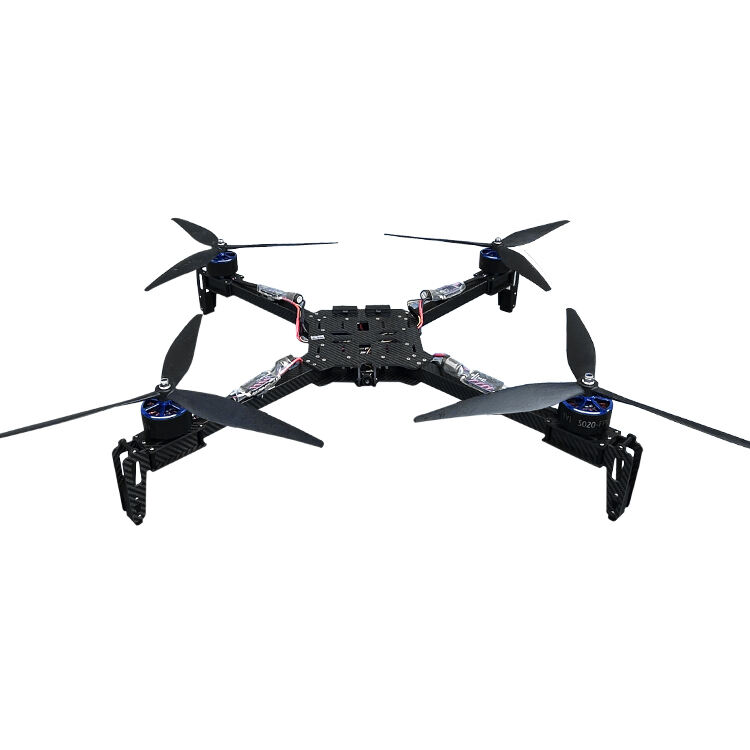
Quadcopters and other multi-rotor drones stand out because of how well they can move around in the air, making it possible to do all sorts of complicated flying jobs without much trouble. These drones can just sit there hovering or launch straight up, which is why so many different sectors find them useful. Think about delivery companies trying to get packages to hard to reach places, photographers capturing amazing shots from angles no one else could manage, and city planners who need detailed maps of construction sites. The photography world especially benefits since these little machines open up completely new ways to shoot footage and pictures that look great on screens big and small. City developers also rely heavily on drone surveys when building new structures or redesigning old ones. At this point, pretty much every industry worth mentioning has found some way to make good use of these versatile flying gadgets thanks to how precise they are at doing whatever task they're assigned.
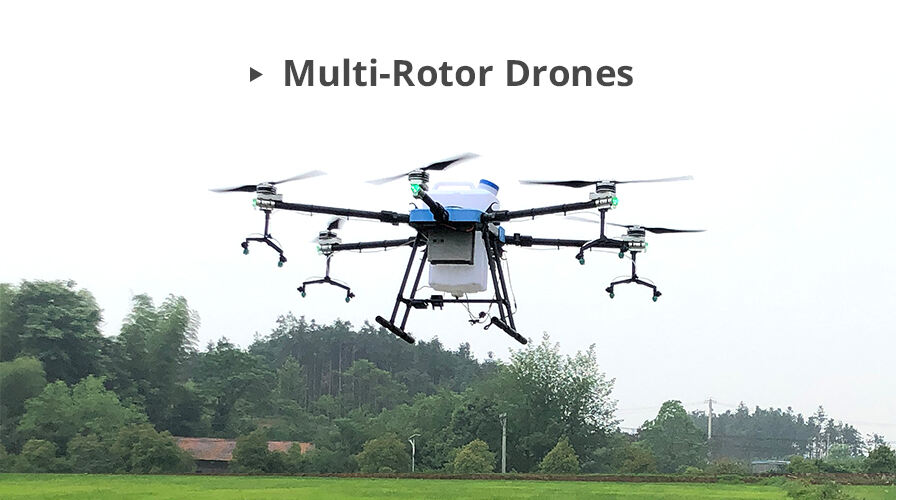
FPV drones have changed how people fly these little machines, giving pilots an amazing sense of speed and control through their first-person view perspective. Many folks get really excited about racing them at high speeds, since it feels almost like sitting right inside the cockpit watching everything unfold from there. The FPV community keeps expanding too, with lots of enthusiasts joining local clubs and showing off their skills at various competitions around the country. At these races, spectators watch as competitors push their drones to incredible speeds while performing complex maneuvers that highlight both mechanical prowess and human skill. Events like these draw crowds who marvel at what modern technology can do when combined with talented operators behind the controls.
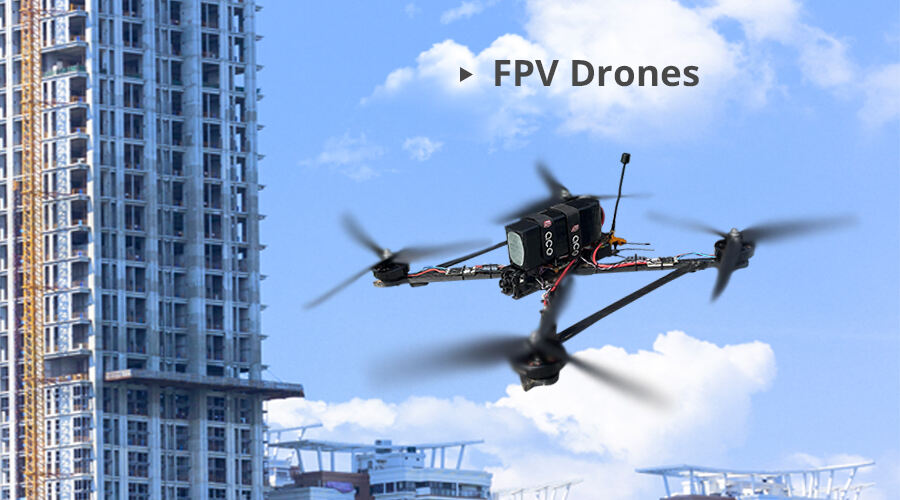
Drones are now playing a major role in military defense work, especially when it comes to watching over territories and collecting information. Last year alone saw something like 350 drone sightings at around 100 different military bases according to recent reports. These numbers show just how much reliance there has been on unmanned aircraft for keeping tabs on places where traditional methods fall short. What makes drones so valuable is simply this: they cut down on risk during operations. When soldiers would normally have to go into dangerous zones, sending up a drone instead keeps people safe while still getting the job done. This approach saves lives without compromising the quality of intel gathered from those high risk locations.
Drones are changing the game for farmers when it comes to watching over crops and managing land. Modern agricultural drones come packed with high tech cameras and sensors that give growers a bird's eye view of their fields. Farmers can now spot sick plants, catch early signs of bugs eating through crops, and get readings on soil moisture levels right from above. Some farms have seen dramatic improvements after adopting drone tech, reporting bigger harvests while using water and fertilizers more efficiently. The real value lies in getting instant feedback about what's happening in those fields. Instead of guessing or waiting weeks for results, farmers can react fast to problems as they arise. This helps boost output without sacrificing long term sustainability goals, though many small operations still struggle with the upfront costs of these fancy machines.
Drones have completely changed the game for aerial photography and film work, bringing entirely new creative possibilities and saving time and money. These flying machines come packed with top notch cameras and stabilization tech, letting creators get angles no one could dream of before while spending way less than traditional methods. Take BBC's Planet Earth II for instance they used drones to film those amazing wildlife shots from angles that would have been totally impossible just a few years back. Real estate agents now send drones buzzing over properties instead of hiring expensive helicopter crews. Wedding photographers capture entire ceremonies from above without disrupting guests. Travel companies love them too, using drone footage to show off destinations in ways that make viewers want to pack their bags immediately.
The shift to brushless motors has really changed things when it comes to how efficient and powerful drones can be. Traditional motors rely on those little carbon brushes to create rotation, but brushless versions work electronically instead. This means there's way less friction from moving parts wearing down over time. Efficiency numbers tell the story pretty well too brushless motors typically hit around 85 to 90 percent efficiency whereas old school brushed motors only manage about 70 to 75 percent. What makes them so great for drones though? Their power to weight ratio just beats out anything else on the market. Drones can haul heavier stuff without guzzling extra battery power. Looking at actual field tests, we're seeing about a 15 percent drop in energy usage for drones with these modern motors. That translates into longer flights before needing to recharge, which obviously makes everyone involved much happier with their aerial toys.
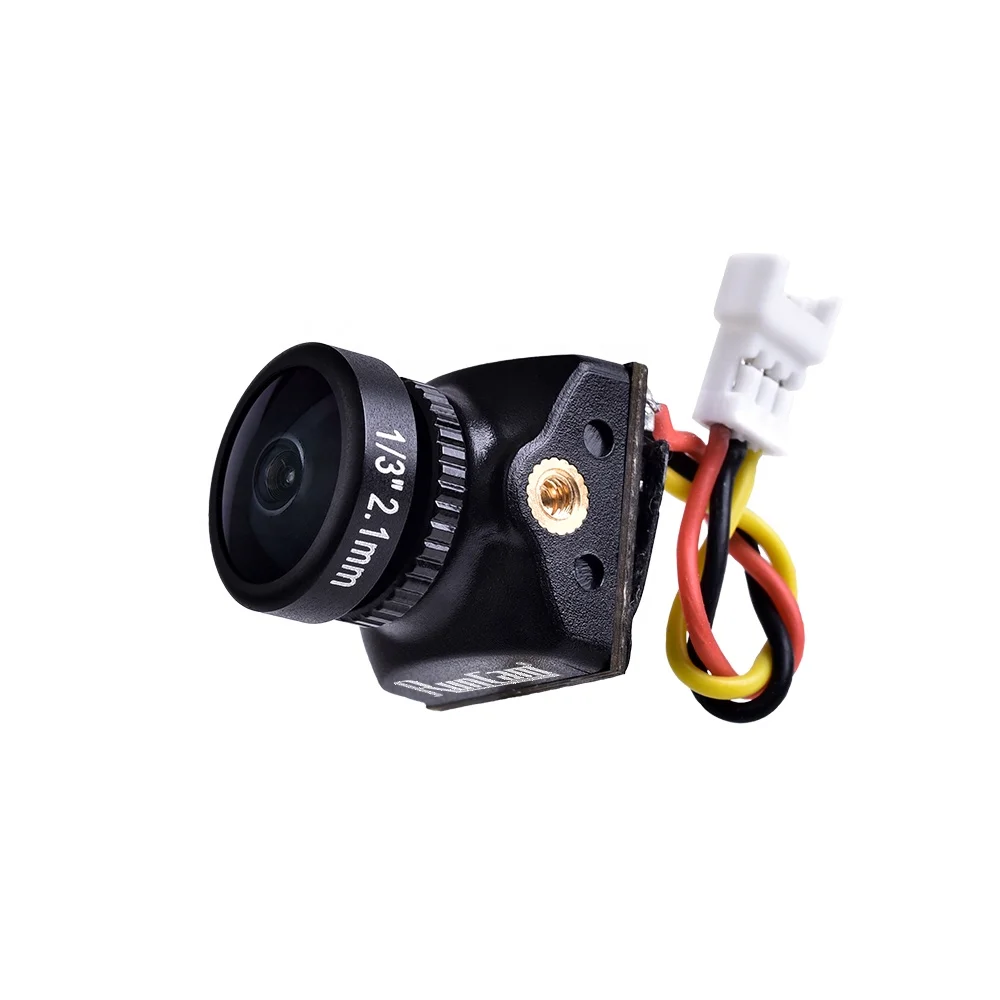
Drone imaging has gotten way better thanks to improvements in cameras and stabilization tech. Today's drones often come with really good sensors capable of capturing 4K video. This means photographers and filmmakers can get amazing aerial shots with tons of detail from above. Keeping that footage looking good requires something called stabilization systems, specifically gimbals. Gimbals help fight off the shakes caused by drone movement, strong winds, and all sorts of vibrations. They let operators capture smooth footage even when things get bumpy up there. Most modern drones now include these 3-axis gimbal stabilizers as standard equipment. The result? Professional quality videos even when flying through tricky weather conditions.
Modern drones rely heavily on autonomous navigation thanks to GPS technology, which lets them fly exact paths without needing someone at the controls. Most current models come with pretty sophisticated GPS setups that can follow set routes with remarkable precision. The tech has gotten much better over time too. We're seeing things like sensors that help avoid crashes and systems that constantly send back real time information about what's happening around the drone. All these upgrades mean drones work better overall and open up new possibilities for their use. They're now used everywhere from mapping land areas to delivering small packages, and despite all this expanded capability, safety remains pretty solid throughout most operations.
FAA rules really matter when flying drones, no matter if someone flies them for fun or makes money off it. The regulations cover things like keeping visual contact with the drone at all times and getting proper paperwork sorted out before doing anything commercially. There's also that 400 foot limit most people forget about, plus making sure no one crashes into planes or helicopters. Breaking these rules isn't just against the law though. People who ignore them risk hefty fines and worse, actual accidents that put lives in danger. When operators stick to what's allowed, everyone stays safer and builds confidence in this amazing tech we've got today. For anyone interested in drones, staying on top of what's permitted and actually following through is just common sense in the long run.
When it comes to drones flying around neighborhoods and cities, privacy issues definitely matter. Drones can snap detailed photos from above, which creates real problems about where the line should be drawn between technological progress and someone's right to privacy. As more businesses start using drones for delivery services, inspections, and other tasks, we need to think seriously about how to protect both individual privacy and what happens in public spaces. Knowing the rules about where drones can fly isn't just important for safety reasons either. Certain areas like airport surroundings or near military installations have strict no-fly policies that operators must follow without exception. Why? Because these regulations exist primarily to stop unwanted spying activities while keeping everyone else safe on the ground. Following all these guidelines allows society to enjoy the benefits of drone tech without sacrificing basic freedoms or putting people at risk unnecessarily.
 Hot News
 EN
EN