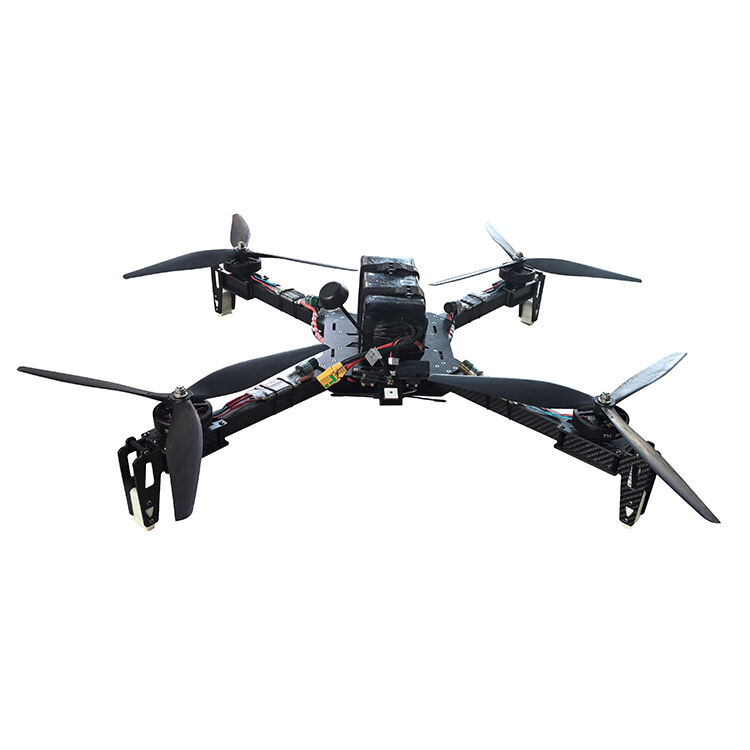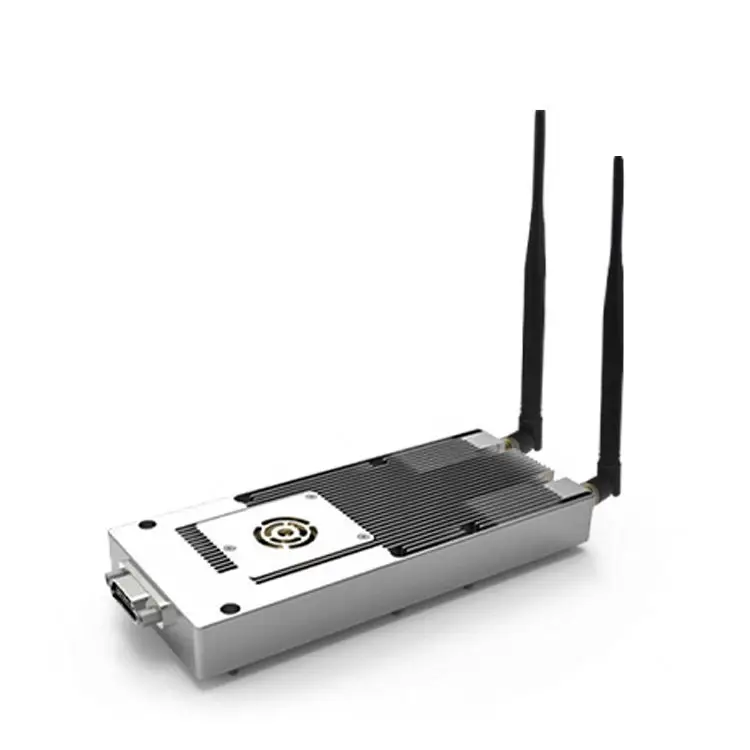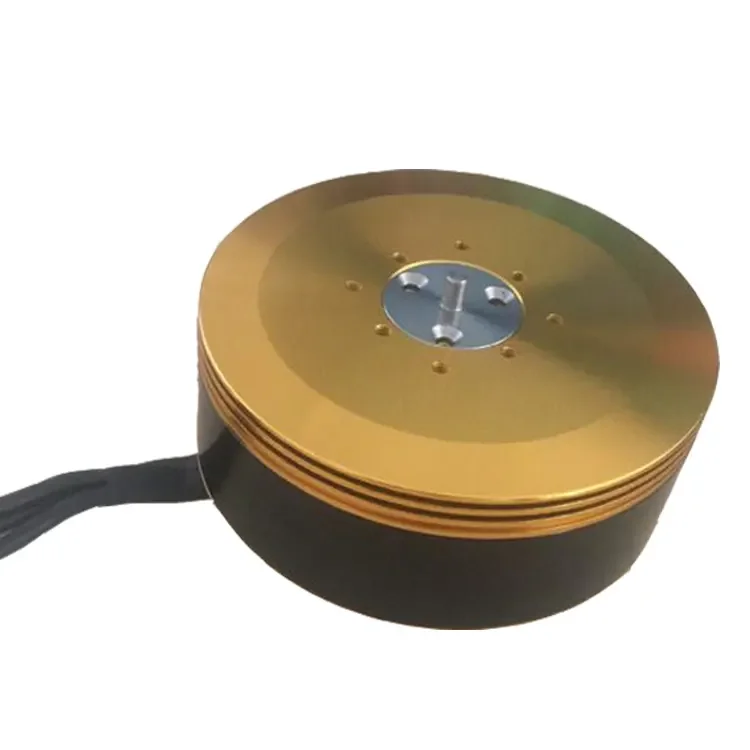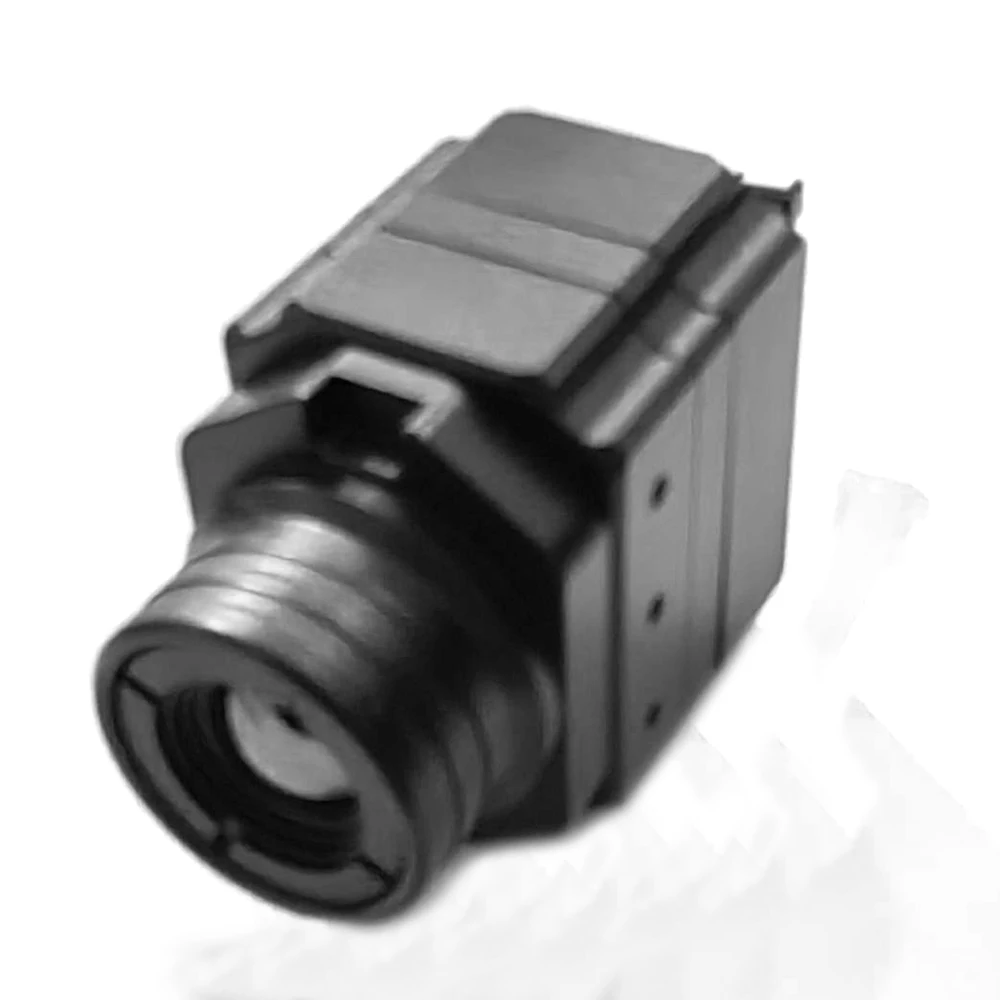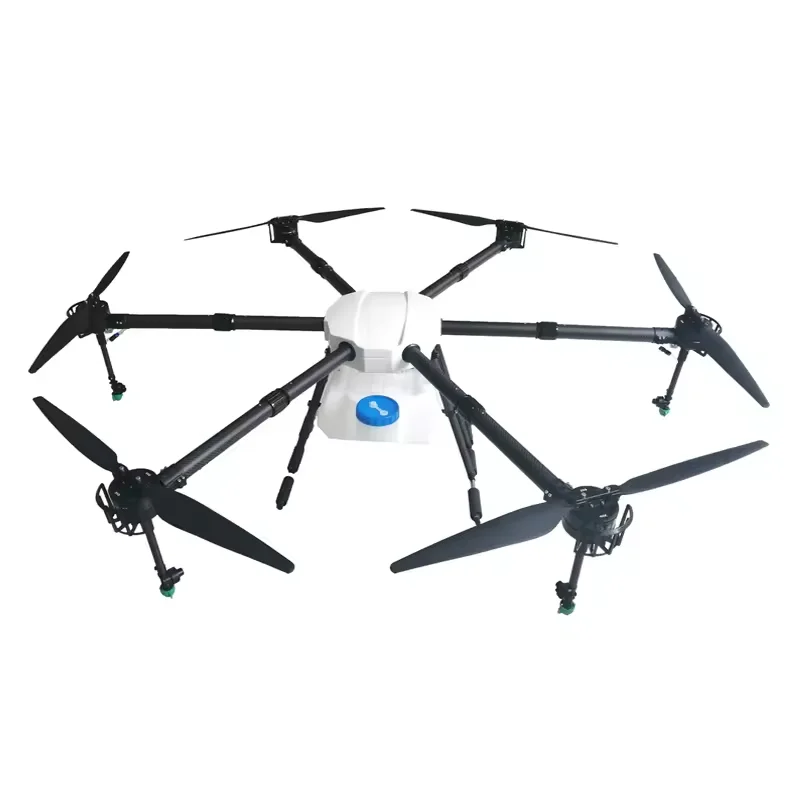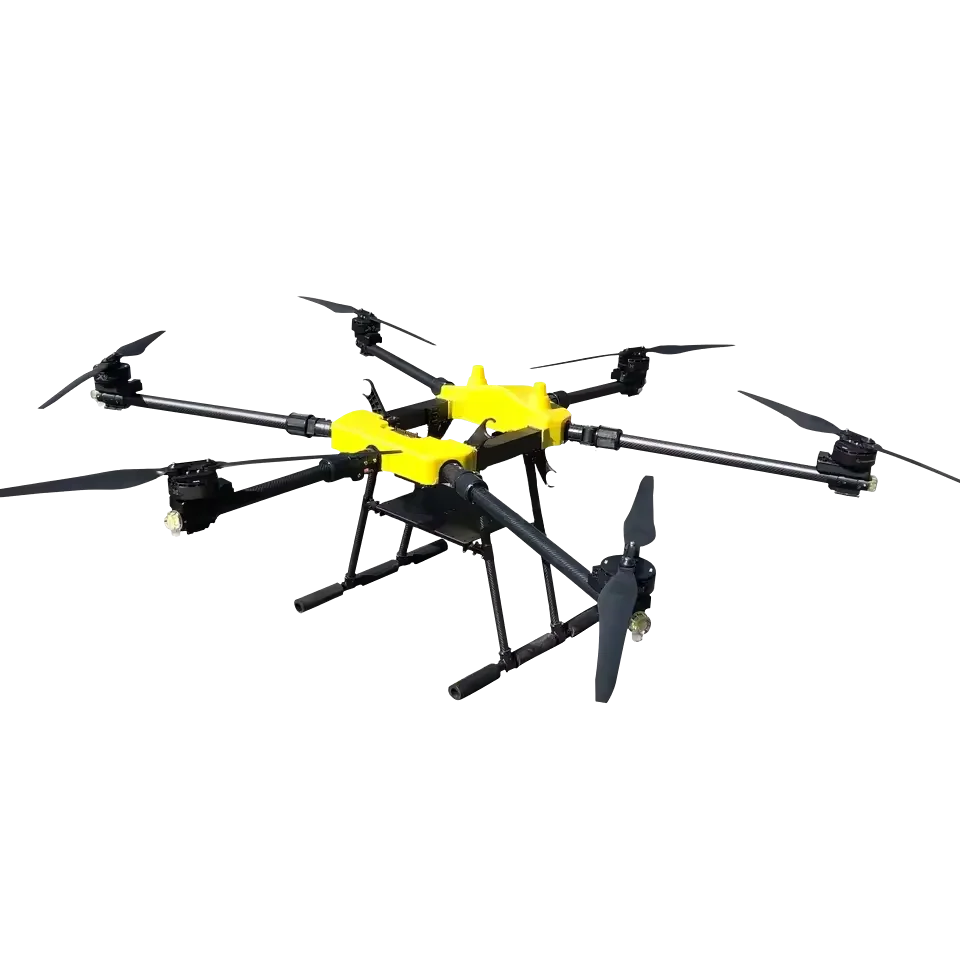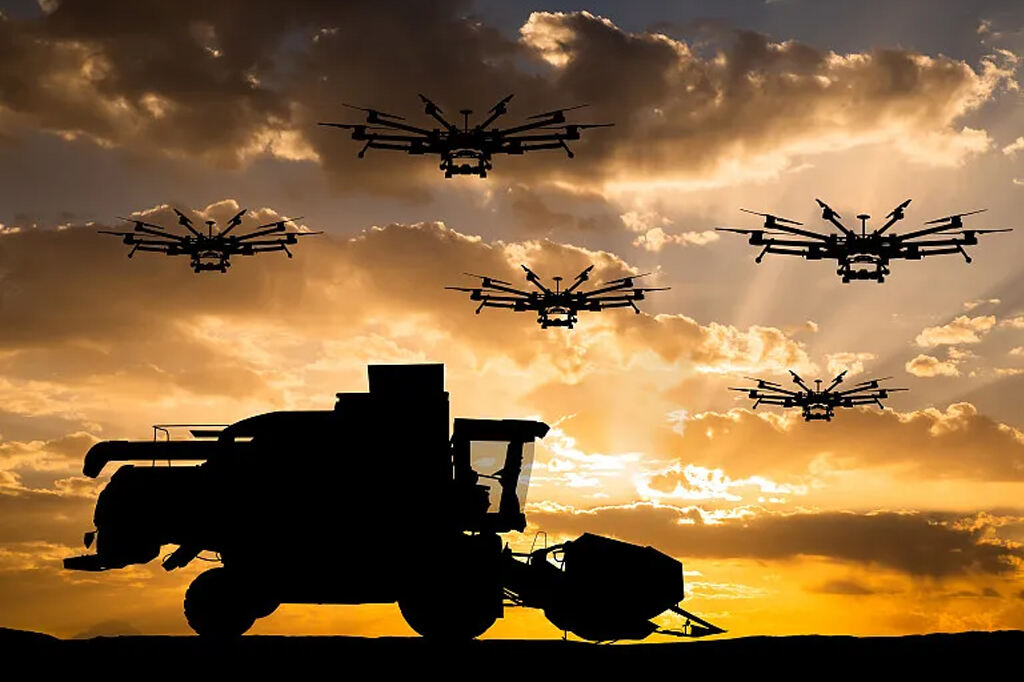
Back in the early days, drone payloads started off pretty basic with just simple camera setups, but this simplicity actually kickstarted a wave of innovation throughout many different industries. At first, most drones came packed with nothing more than basic cameras designed primarily for spying missions in the military. However, as tech continued to evolve, those humble beginnings completely changed how people took pictures from above. Suddenly we saw commercial applications popping up everywhere from real estate listings showing off properties from unique angles to filmmakers capturing breathtaking shots without expensive cranes. One major turning point happened when companies started developing specialized drones for detailed aerial maps, signaling a big shift away from purely military applications toward everyday business needs. What really made things take off though was seeing how useful these camera-equipped drones became for mapping out terrain and landscapes. This practical application created all sorts of fresh possibilities that have led us straight into the era of highly advanced payload technologies we see today.
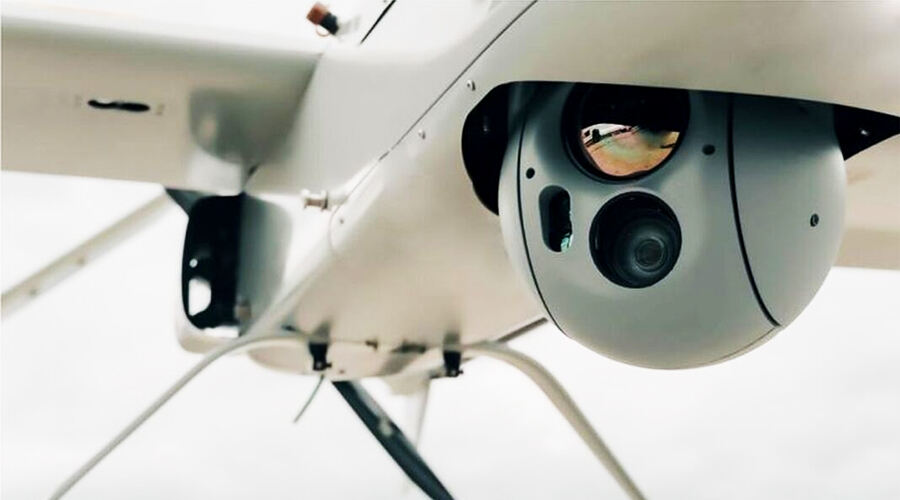
Drone payloads have changed quite a bit over the last few years, now packing multiple sensor systems that are making waves across fields like farming and land survey work. Farmers can get much better results when their drones carry different kinds of sensors together during one flight instead of making separate trips for each type of data. Thermal imaging cameras alongside LiDAR equipment means they collect all necessary information at once without wasting time circling back later. Some newer models even come equipped with artificial intelligence capabilities that analyze what's happening while still airborne, which cuts down on analysis time after landing. The folks at AUVSI predict drone usage specifically within agriculture could jump around 32 percent every year going forward. That kind of growth makes sense considering how valuable these tools have become for monitoring crop health, tracking irrigation needs, and spotting problems early before they spread throughout entire fields.
Flight controllers are really important for keeping drones stable when carrying stuff around. They act kind of like the brain inside the drone, making sure everything flies smoothly while handling whatever gets attached to it, whether that's a camera or some sort of sensor equipment. When these control systems work well together with what the drone carries, things just run better overall. Good design lets the drone move naturally while doing whatever job it needs to do at the same time. Better flight software actually makes a big difference too. It helps keep everything balanced properly and responsive enough to handle different situations. All this means missions get done faster and more accurately, which is why so many operators invest time into getting their systems right before taking off on complex jobs.
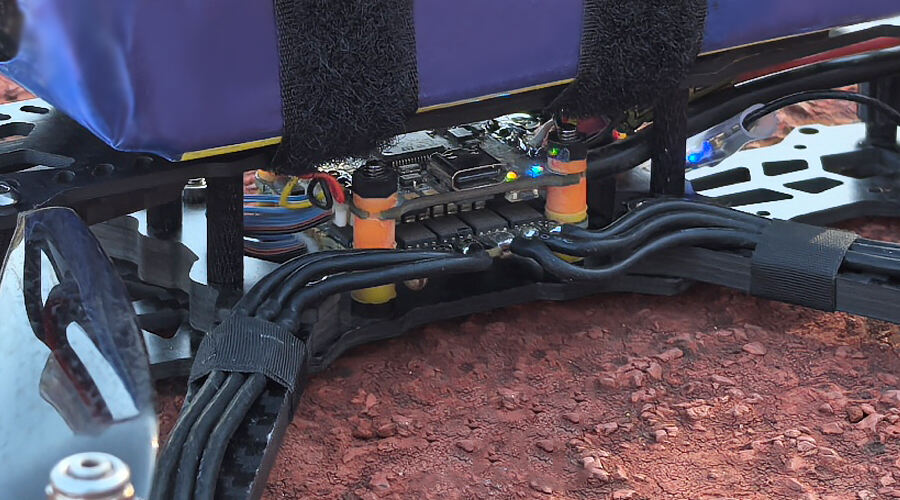
Stabilizers for cameras really matter when it comes to cutting down on motion blur during those tricky drone flights, which helps get better quality pictures from above. When flying around in different weather conditions or over rough terrain, these stabilizing gadgets do the job of keeping the camera from shaking too much so we don't end up with all those annoying wobbly shots or blurry photos. Manufacturers have been making some pretty cool improvements lately in how these stabilizers work, so now drones can actually take much sharper images with lots of detail. Real estate agents love this stuff because they need clear shots of properties, while emergency responders rely on good imagery to assess damage after disasters. We're seeing more and more drones equipped with these modern stabilizers, and honestly, the difference in image quality compared to older models is night and day.
Drones equipped with thermal, multispectral, and LiDAR sensors have opened up whole new worlds of possibilities for what these flying devices can do. The imaging tech isn't just changing things around a bit either it's really shaking up old industries that haven't seen much innovation in decades. Take thermal sensors for instance they spot heat patterns, which makes all the difference when fighting fires or looking for people trapped somewhere dangerous. Farmers love multispectral sensors because they see beyond what our eyes can catch. These gadgets help track crops throughout growing seasons, spotting problems before they become big issues. And then there's LiDAR technology. This amazing system creates detailed 3D maps of landscapes and buildings. Environmental scientists and construction companies alike are finding ways to put this tech to work checking out everything from forest ecosystems to aging bridges without putting workers at risk.
The progress we've seen actually results in better performance across multiple industries. Take a look at bridge inspections for example they used to take days but now can be done in hours thanks to new tech. Environmental groups are getting much better readings from their monitoring equipment too, which helps them protect ecosystems more effectively. All this works because modern sensors collect really detailed information and pictures. When managers have access to this kind of quality data, they make faster decisions without sacrificing accuracy. Some companies report cutting costs by over 30% just from implementing these systems properly.
Drones aren't just taking pictures anymore. Their payload capabilities have grown way beyond photography into areas like logistics and emergency situations. We're seeing this shift clearly in how medical supply delivery works today. Drones can get critical meds and gear to places that are hard to reach or hit by disasters much faster than traditional methods. Take Zipline for instance. This company has been making a real difference in places such as Rwanda and Ghana by flying medical supplies where they're needed most. The impact isn't just theoretical either. People actually depend on these flights when time matters most.
The numbers tell a clear story about how fast the drone delivery sector is growing, and most experts think this trend will keep going strong for at least another ten years. Industry analysts estimate around 10% compound annual growth rate by 2030, which shows just how important these flying machines are becoming for shipping goods. With ongoing improvements in battery life and navigation systems, companies are already testing new ways to get packages to customers faster. Some hospitals even started using drones to transport medical supplies during emergencies, something that was unthinkable just a few years ago. While there are still regulatory hurdles to overcome, many logistics firms see unmanned aerial vehicles as part of their future operations.
Getting the weight balanced right on a drone matters a lot when it comes to flying smoothly and performing well. When weights aren't distributed properly, things start going wrong with how the drone flies. The aircraft becomes unstable, harder to maneuver around obstacles, and generally less responsive to controls. Most folks who want to maximize what their drones can carry use load balancing methods so everything sits evenly throughout the frame. Real world feedback from seasoned flyers shows significant gains once they sort out the weight distribution problem. Many report noticeable differences in handling especially during tough weather or when pushing the limits with heavier payloads strapped on board.
New materials are changing what drones can do, making frames that weigh less but still hold up against tough conditions. Scientists working on materials have created composite structures that cut down on weight without making the drones fragile. What this means is manufacturers can now pack more powerful equipment onto their drones without adding extra bulk. Take DJI's newest models as an example they use carbon fiber mixed with special plastics to stay sturdy while still moving quickly through the air. The lighter weight makes all the difference for companies needing drones to haul heavy gear or sensors. Construction firms and agriculture businesses especially benefit from these improvements, getting better performance out of their equipment without sacrificing too much in terms of carrying capability.
Machine learning is changing how drones handle payloads all on their own, making operations run smoother than ever before. Smart algorithms let these flying machines figure out the best paths and safest places to land, which helps both logistics work and surveillance tasks get done better. Take a look at some top players in the drone business right now – they've started adding machine learning so their drones can make decisions while actually in flight. What does this mean? Drones can now fly through tricky areas without needing someone watching every move, and deliver stuff faster because of it. Looking ahead, experts think AI and machine learning will keep pushing boundaries when it comes to getting packages where they need to go. We're probably going to see some pretty impressive improvements in how fast and accurately drones can drop off cargo as these technologies mature over time.
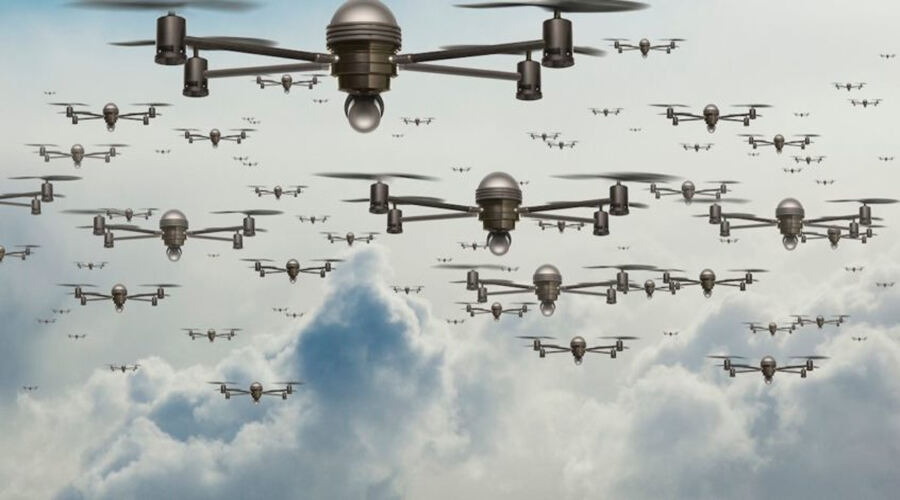
Swarm tech is changing how we handle multi-drone payload coordination, bringing real improvements to scaling projects up or down as needed. Basically, it's when several drones work together on tasks instead of going solo, which means they can get stuff done much faster across bigger areas. Take something like monitoring vast construction sites or responding to wildfires where time matters most. A group of coordinated drones could sweep through these locations way quicker than any single unit ever could. While some companies already experiment with this in commercial settings, military applications might catch up soon too. Experts think there'll be major gains in getting payloads delivered where they need to go without wasting resources. Looking ahead, swarm coordination seems poised to become pretty standard practice for serious drone operations, though exactly how fast this happens remains to be seen.
By adopting these emerging technologies, the drone industry is poised for significant growth and transformation, propelling it into a future where AI and swarm technology redefine possibilities.
 Hot News
 EN
EN