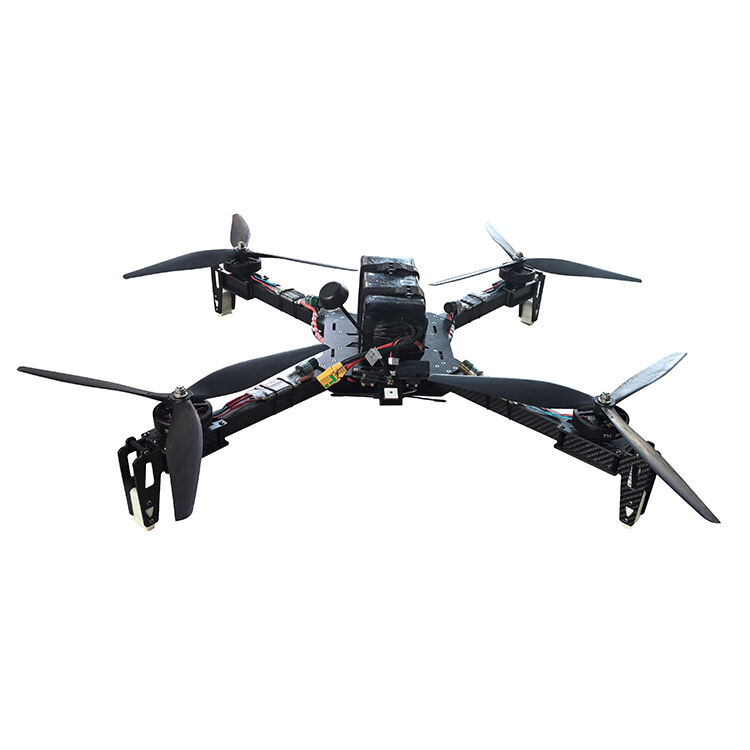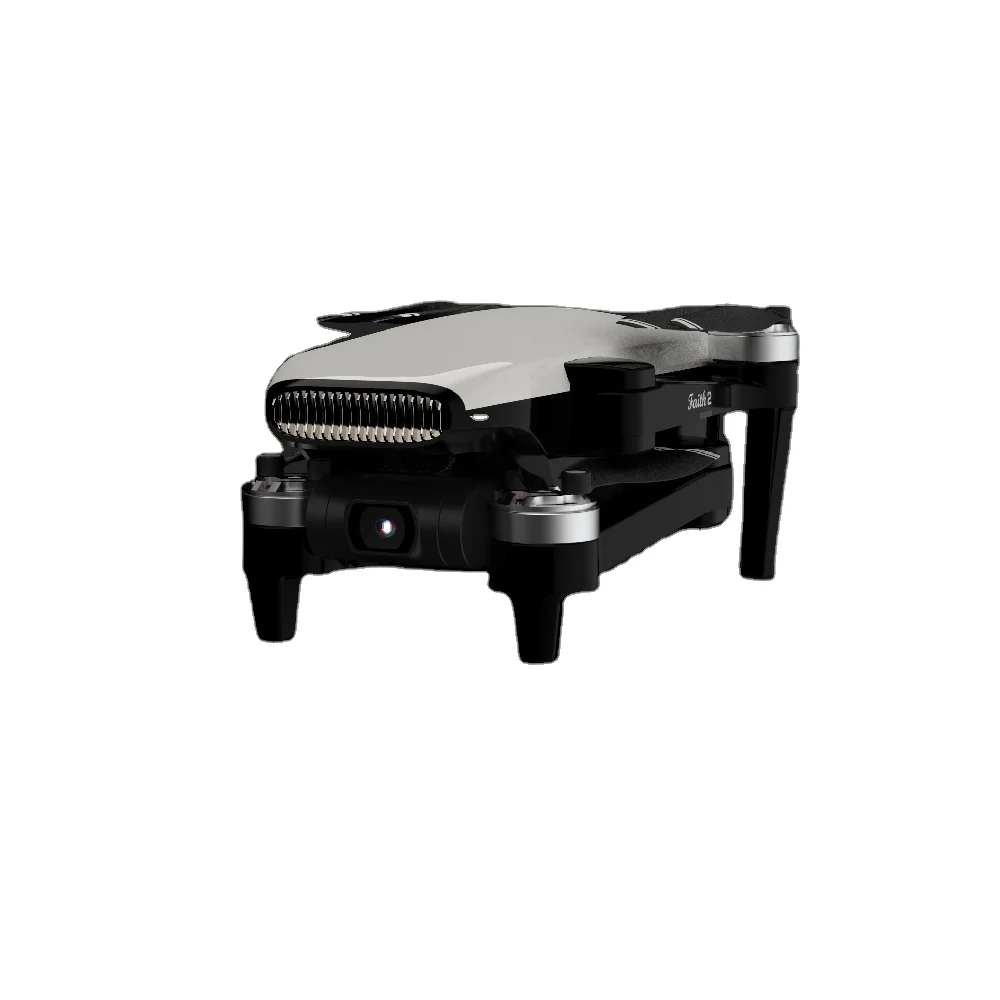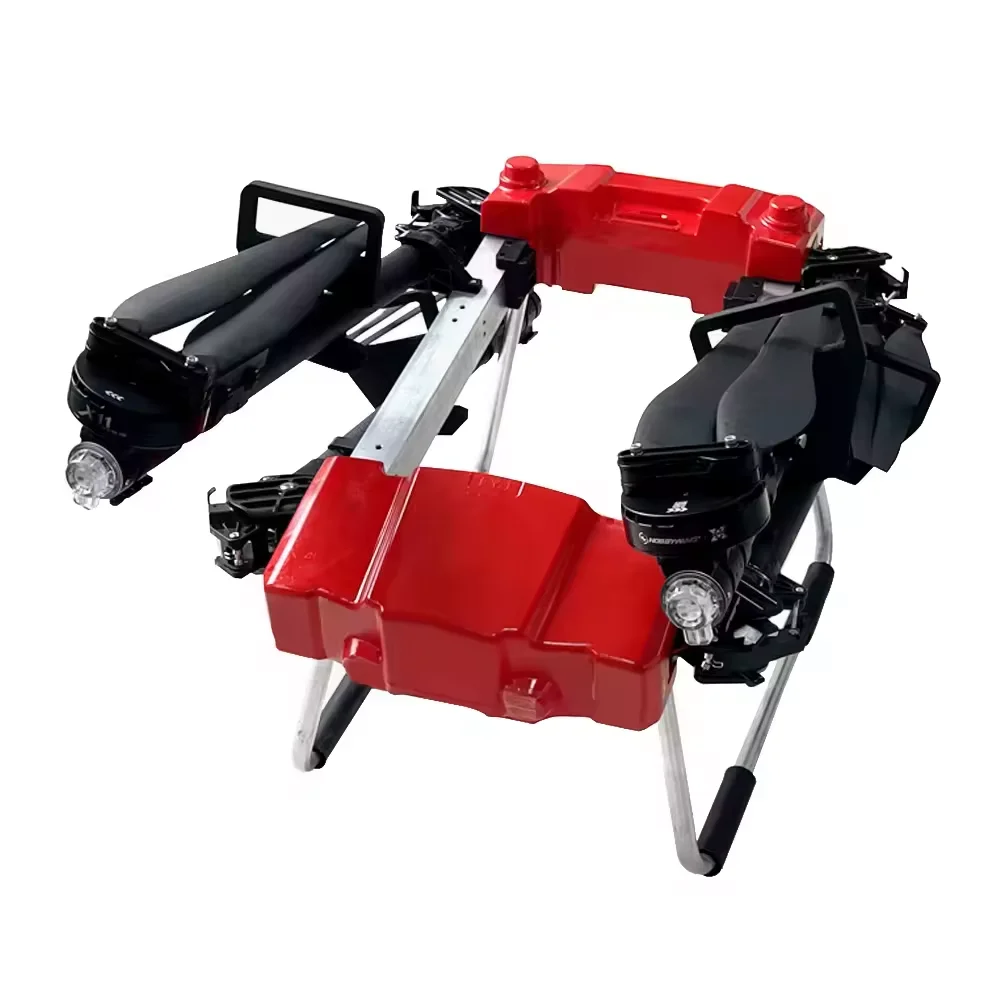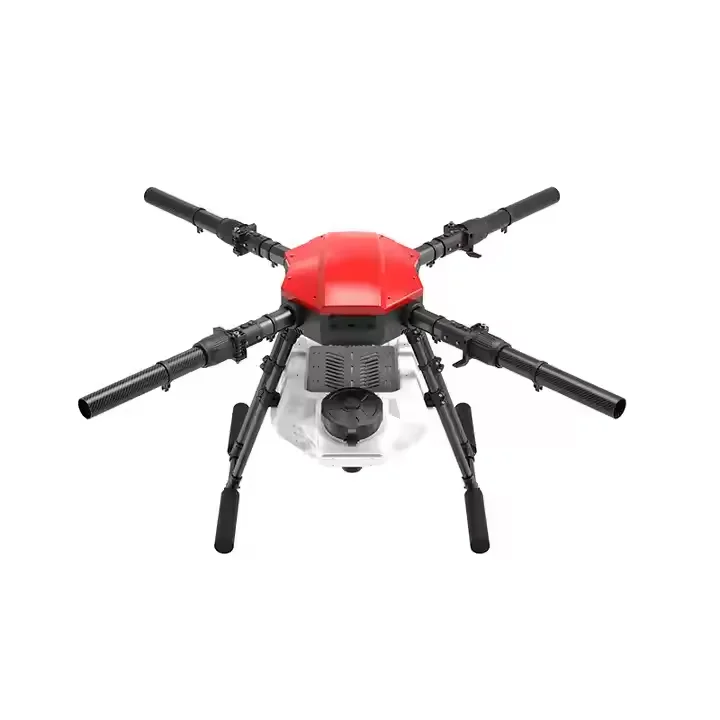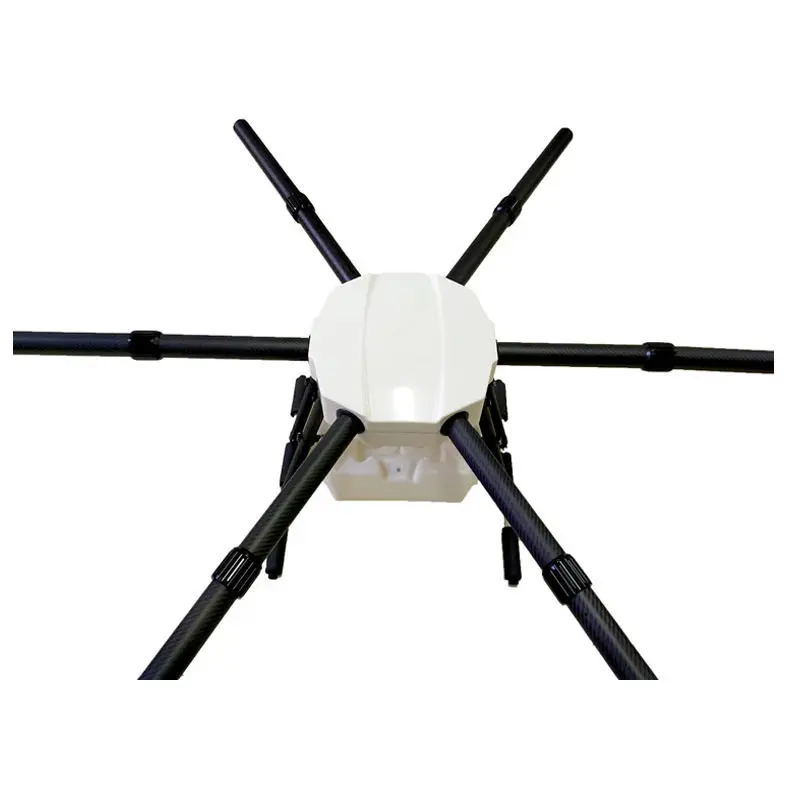
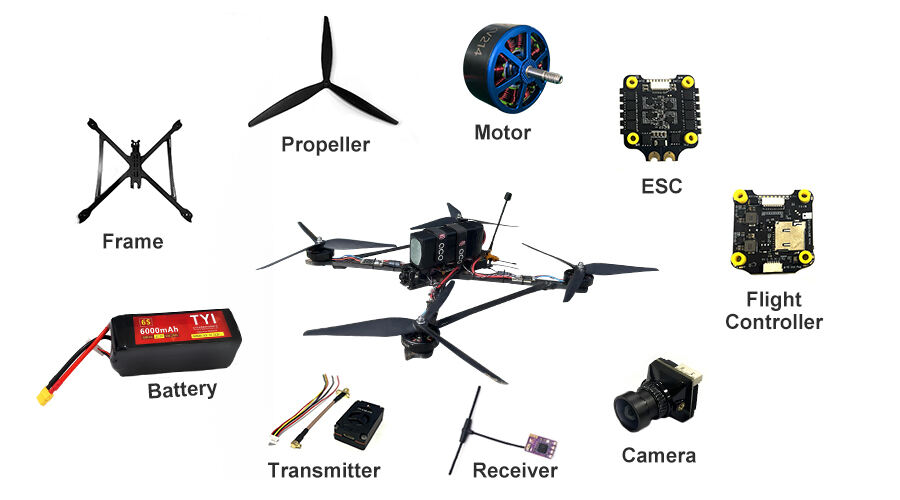
The frame plays a big role in how durable and efficient an FPV drone flies. Most FPV frames these days, particularly for the popular 7-inch models, are made from tough stuff like carbon fiber mixed with plastics. These materials manage to be light enough while still holding up against impacts, which makes them pretty good choices for drones. When looking at flight performance, designers try to cut down on air resistance. That's why we see so many compact frames that just naturally create less drag during flight. Crash resistance matters too though. Frames need to survive those inevitable crashes without breaking apart completely. Good manufacturers actually run tests on their frames to see how strong they really are. Checking this kind of information helps buyers get a sense of whether a particular frame will hold up under real world conditions.
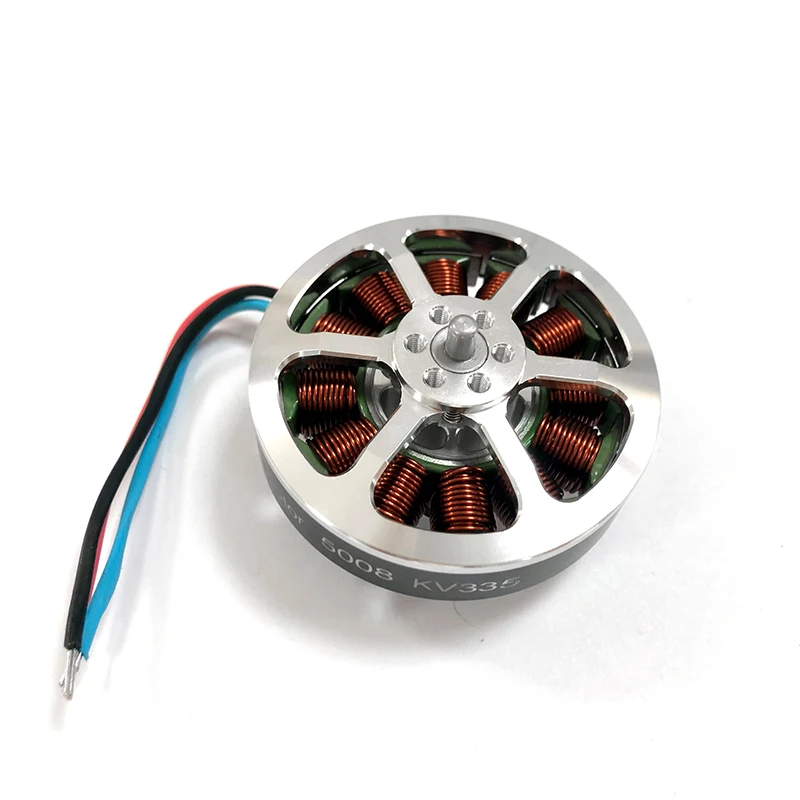
The performance of any drone really depends on its electric motors, and most pilots go for brushless models because they last longer, run faster, and just plain work better than older brushed alternatives. For those flying 7 inch FPV rigs specifically, matching the propulsion system to the overall weight becomes pretty important if we want enough lift power while maintaining tight control during flights. Thrust to weight ratios matter a lot here. Standard industry specs give us good benchmarks when evaluating different motors. A lot of this data actually comes straight from aerospace studies where researchers test how motors hold up under different load conditions. Knowing these numbers helps build drones that can pull off complex aerial moves without struggling mid flight.
Getting good footage requires both a solid FPV camera and something靠谱 to keep it steady. Most pilots will want at least 720p resolution these days, though higher is better when flying through tight spaces or at speed where clarity really makes a difference. Gimbal systems work wonders for shaking reduction, which means no more grainy videos ruined by constant vibration. The market has so many options now that comparing specs between brands isn't just useful but almost necessary. Check what other flyers are saying online too since some models perform surprisingly well while others fall flat despite looking great on paper. Spending time researching before buying saves headaches later on and makes those aerial shots worth watching again and again.
At the heart of every drone sits what many call its brain - the flight controller. This component takes all those commands coming from the pilot's transmitter while also gathering data from various onboard sensors at the same time. Electronic Speed Controllers or ESCs play their part too, governing when each motor spins faster or slower so the craft stays airborne without shaking around too much. How well everything works together makes all the difference in how fast the drone reacts to stick movements and how agile it feels during flight. Most pilots find that tweaking some parameters based on actual flying experience really helps fine tune things. For instance, adjusting PID values after noticing wobbles during sharp turns can make a world of difference for someone flying a compact 7 inch First Person View drone through tight spaces.
Bigger FPV drones, especially those around the 7 inch size range, tend to hold up better in breezy situations because they simply weigh more. The extra weight means these machines can stay put where the pilot wants them, even when strong winds try to blow them sideways. Many seasoned flyers will tell stories about how their bigger rigs just ride through rough air without much fuss at all. And let's not forget about the beefy electric motors inside these drones either. They pack so much power that if a sudden gust hits, the drone can usually bounce back pretty fast. Looking at actual flight data across different kinds of weather really shows why bigger is better for stability. That's why most folks who fly regularly in tricky conditions stick with these larger models whenever possible.
Bigger 7 inch FPV drones can fit bigger batteries inside, which means they stay in the air longer. Most models come with high capacity power packs that really boost how long they fly. And because these drones use energy so efficiently, they cover more ground before needing a recharge, making them great for exploring areas over long distances. Looking at what the makers say, some of these drones can actually go beyond 5 miles when everything works just right. For folks who want to fly far without constantly worrying about landing to recharge, this extra range and efficiency is exactly why many choose larger FPV drones for their adventures.
What really sets 7 inch FPV drones apart is how adaptable they are for totally different kinds of flying. These little machines work just as well for someone doing crazy flips around obstacles as they do for folks wanting to see what's on the other side of that hill. Most pilots will tell anyone who'll listen about switching from race mode to explore mode in seconds flat. Take Mark from Ohio for instance he flies his drone one day through tight forest trails and the next day uses it to scout out new hiking routes in the mountains. That kind of flexibility means these drones aren't limited to just one type of fun. From zipping through gates at full speed to capturing stunning aerial views during leisurely flights, 7 inch models keep things interesting no matter what kind of adventure awaits.
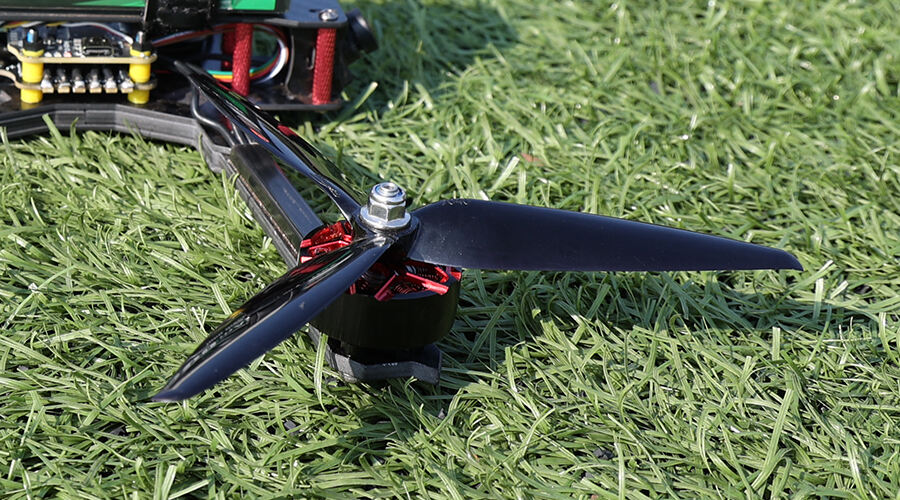
Bigger propellers really boost a drone's speed and how nimble it feels because they create more lift and thrust when spinning. Take those 7 inch FPV drones for example they just plain fly faster with bigger props installed, something we see across different sized drones in the marketplace today. When looking at actual speed numbers from real world testing under all sorts of conditions, there's no doubt about it prop size matters a lot for how agile these machines are. Flight data shows larger props do more than just make things go quicker they actually help with tighter turns and sharper movements, something every serious freestyle flyer knows is super important during complex aerial maneuvers. That's why many experienced pilots gravitate toward bigger props when they want their drones to perform better and handle more aggressively in the air.
Choosing between LiPo and Li-ion batteries makes a big difference in how long drones can stay airborne. Looking at specs shows why Li-ion packs, especially ones with higher mAh numbers, give much better flight times overall. Drone pilots who track their flights report that bigger capacity batteries really do make a noticeable difference. Some experienced flyers have logged flights lasting around 18 minutes when everything lines up just right. Finding the sweet spot between battery weight and what the drone can actually do remains important for most operators. The weight versus thrust equation matters because heavier batteries might extend flight time but could hurt maneuverability. Good battery handling practices ultimately boost what drones can accomplish in the field, helping operators get more done during each mission without constantly swapping out power sources.
For long range drone flights, high precision GPS receivers really matter when it comes to navigation accuracy. These advanced systems keep drones following their intended flight paths, something studies show is important for making missions last longer without losing control of the aircraft. Fail safe mechanisms also play a big role in preventing drone losses during those extended operations. When reliable GPS systems are in place, they help keep the drone going straight even when signals start acting up unexpectedly. This cuts down on navigation problems across large areas where signal strength can vary so much. Getting this right means GPS becomes absolutely necessary for both better movement options and keeping missions safe when flying far from home base.
New pilots would do well to start with stable drones first, building up confidence gradually before tackling those fancy acrobatic modes. Taking things slow helps avoid getting overwhelmed by all the complex features at once. Many folks find training programs really helpful too, especially ones that let them practice flying in different conditions. These programs usually come packed with useful tips and tricks, and most people notice real improvements after working through the exercises. Anyone serious about mastering acro mode will want to grab some good guides though. They provide essential basics that anyone can work on day after day until they get better.
Every drone operator needs to know and follow the local rules about flying their craft since regulations really do differ from one area to another. Getting familiar with these laws isn't just good practice it actually keeps people out of trouble legally and makes sure they fly responsibly. Safety matters too when operating drones. Operators should stick to basic safety procedures to minimize accidents. Most aviation groups have detailed manuals and online resources showing how to operate safely. Not following these rules can lead to hefty fines and other consequences. We've seen plenty of cases where folks got into big trouble simply because they didn't check what was allowed where they were flying.
Picking out drone parts that actually perform well without breaking the bank isn't easy at all. Anyone serious about getting value for money should spend time looking into affordable setups that still deliver decent flight quality. Maintenance costs matter too, so it pays to think ahead when setting aside funds for repairs and replacements compared to what was spent initially on buying the drone. Finding that sweet spot between spending wisely and getting good performance remains key, especially since nobody wants to cut corners on safety features or end up with something that doesn't work properly after a few flights. A smart approach makes all the difference in enjoying flying while keeping things running smoothly over time.
Checking the motors and ESC connections on drones regularly helps avoid those frustrating mid-air failures nobody wants. Most drone makers recommend giving these components a quick look after several flights just to make sure everything still works right. When connections get loose, things go south fast both for safety and how well the drone flies, something anyone who's had their quadcopter crash knows all too well. Pilots who watch for signs of wear over time can plan maintenance better, which means fewer surprises during flights and smoother operation overall. Some spots tend to show wear faster than others, so knowing where to focus attention makes all the difference in keeping drones airborne when needed.
Getting good drone footage means regular checks on those camera stabilizers. Most manufacturers come with step-by-step guides for setting them up properly. When people skip or mess up these calibrations, the video tends to shake around or look blurry when they finally test shoot. Picking the right settings matters too depending on where someone flies their drone. Bright daylight needs different adjustments compared to low light situations at dusk. Taking time for proper setup makes all the difference between amateur clips and something that looks professionally shot. Drone operators who bother with these details usually find themselves much happier with what ends up on screen after editing.
Updating drone firmware regularly makes all the difference when it comes to performance and keeping things secure. Most manufacturers roll out new updates pretty frequently these days, usually packed with stability fixes and added features. Check those changelogs they publish online to see what's actually changing. Drone enthusiasts hang out in various online communities where folks talk about the newest firmware drops and share experiences. Skipping these updates could put the device at risk, something cybersecurity experts have been pointing out for years now. Getting into the habit of checking for updates every few weeks is worth the effort. Not only does it protect against potential threats, but it also keeps the drone running smoother than ever, especially after those major software overhauls.
 Hot News
 EN
EN