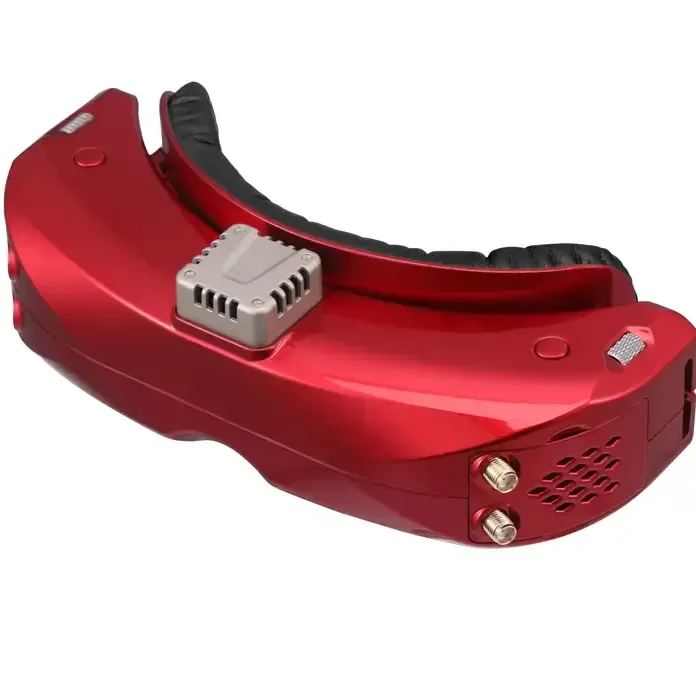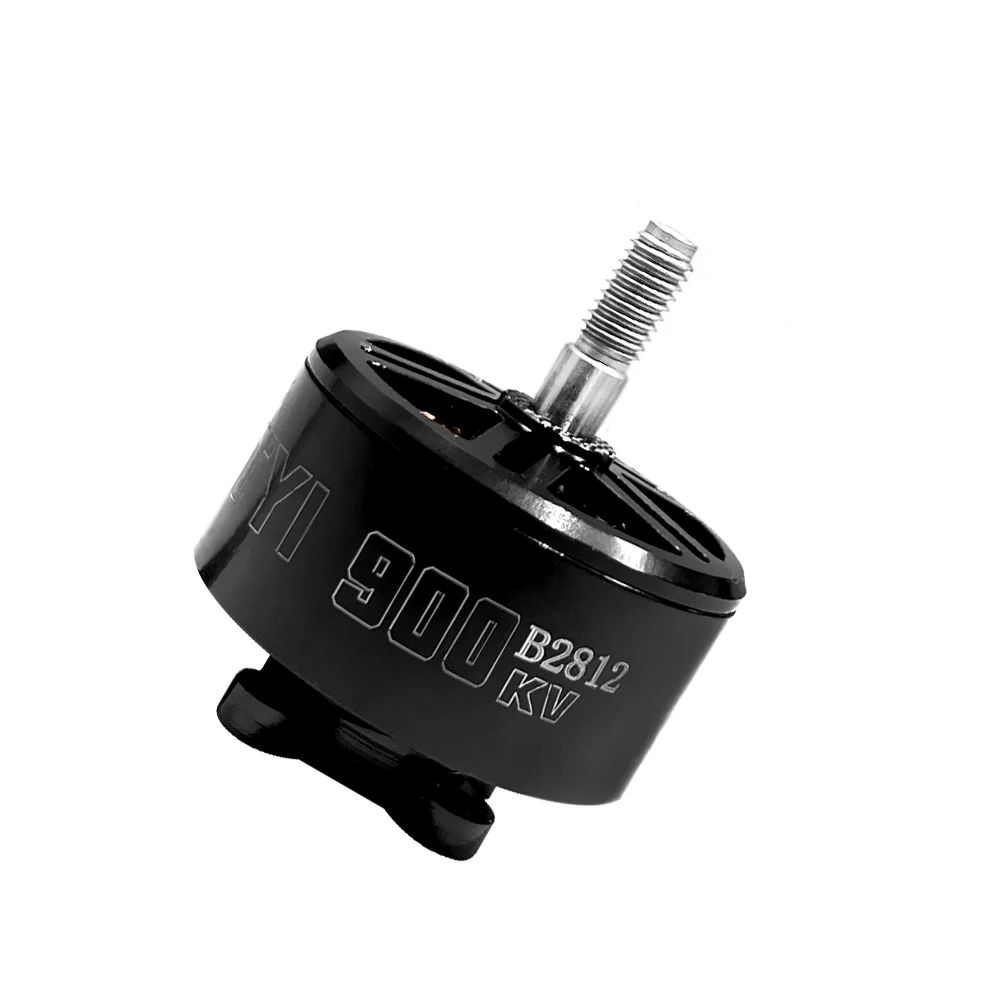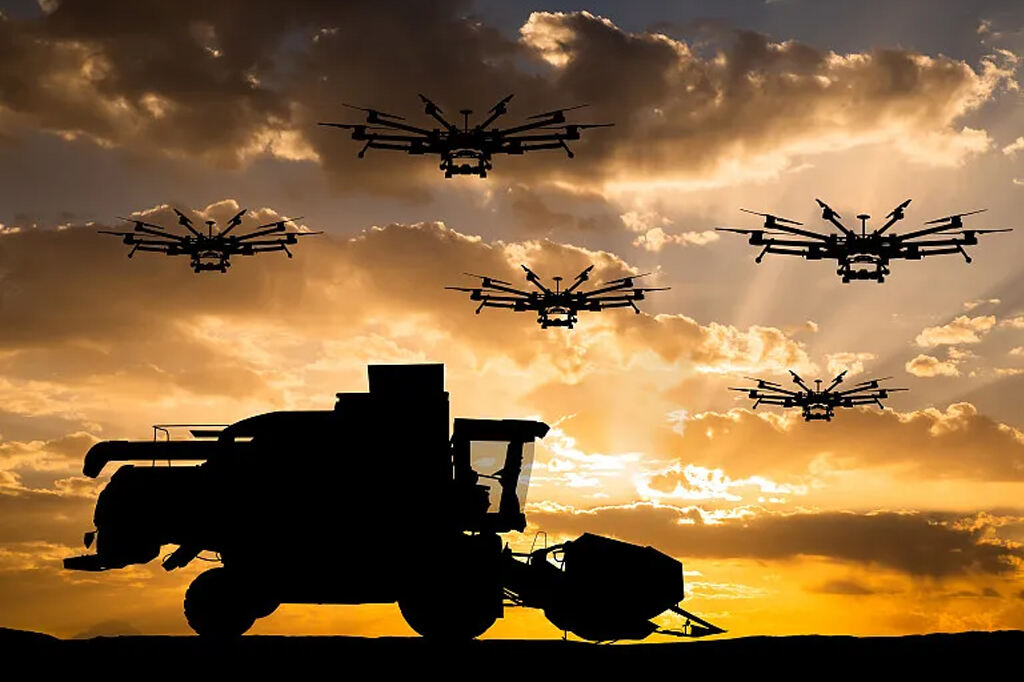
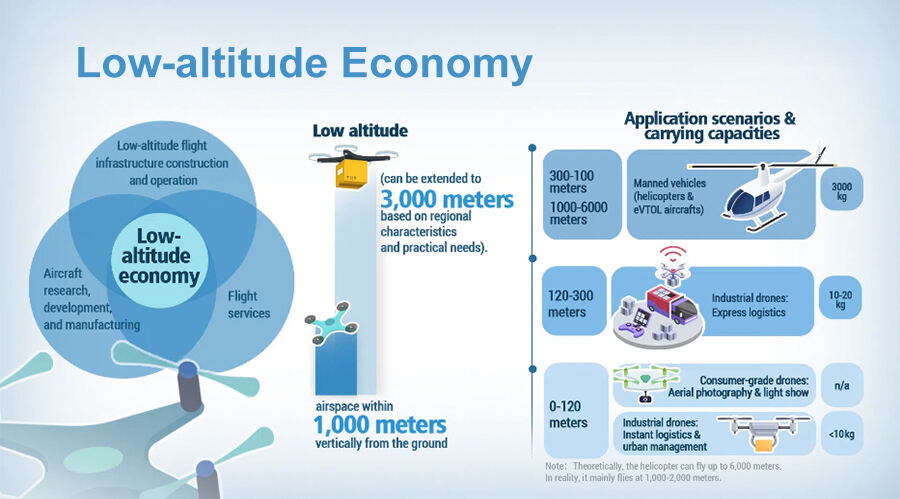
The airspace at low altitudes generally extends from the ground all the way up around 2,500 feet high, making it pretty important territory for today's tech stuff. A lot of different things happen here actually - think about drones buzzing around, those flying taxis people keep talking about, and even package delivery services trying to get off the ground. When folks really get what makes this space tick, they start seeing better ways to manage how planes and other craft move through it safely. Getting this right helps existing tech work better now, whether it's those FPV drones or camera systems mounted on motors, and lays some groundwork for whatever crazy new inventions come along next.
There's a lot of potential waiting in the lower skies for businesses ready to innovate and boost their bottom line. When companies start leveraging this airspace with new tech solutions, they see real improvements in how services get delivered throughout different industries. Take drone networks as an example many places are seeing when they build out these systems. Cities that invest in such infrastructure typically notice their local economies picking up steam pretty quickly. The real value here isn't just theoretical either. Actual businesses report better logistics, faster deliveries, and overall improved operations once these systems come online. What makes this space so exciting is how it changes the way services work on the ground while giving regions a competitive edge over neighbors who haven't made similar investments yet.
New tech developments in the lower parts of our skies are changing how businesses get things done. Think about autonomous drones delivering packages and smart systems managing inventory all across different sectors. Setting up proper regulations and support structures for these innovations will be really important for where the economy goes next. We're seeing something big happen here that points toward more efficient ways of doing business, and this could make low altitude areas become major contributors to economic growth. Companies that adopt these technologies early on might find themselves way ahead of competitors when it comes to getting work done faster and coming up with better ideas.
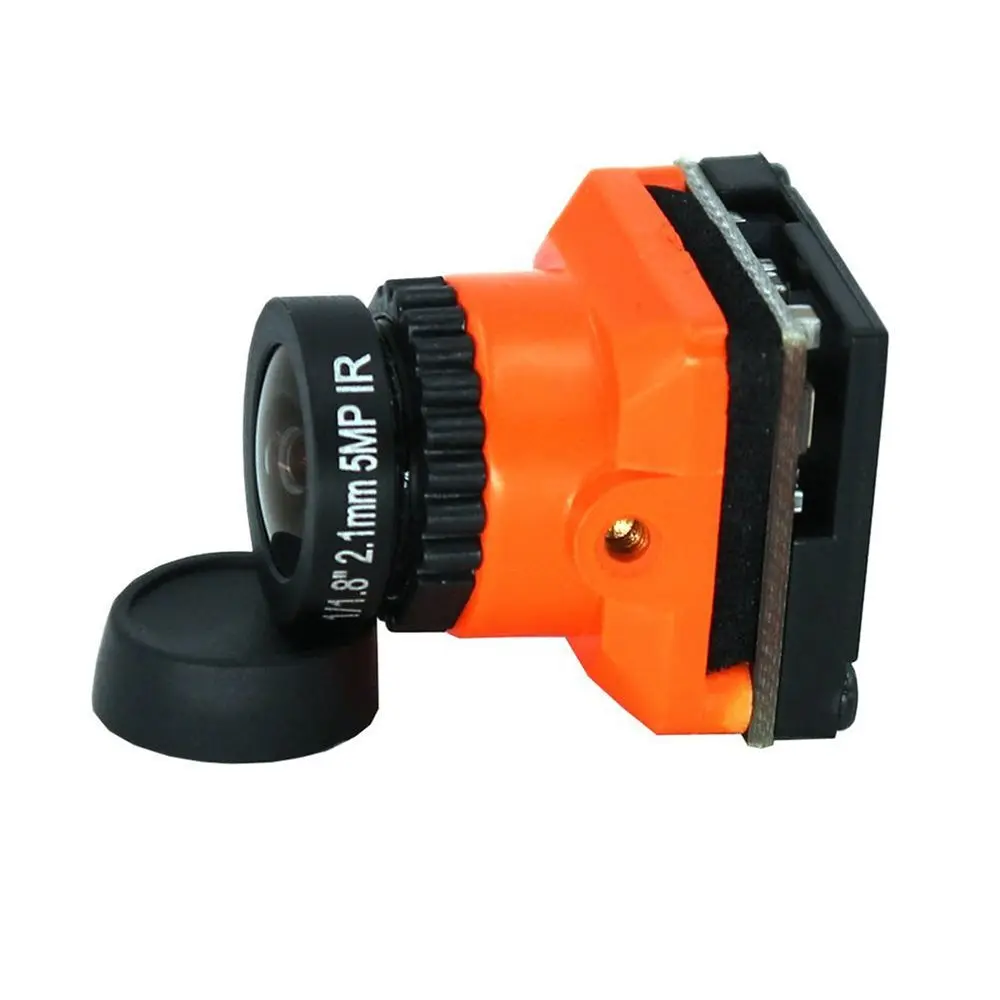
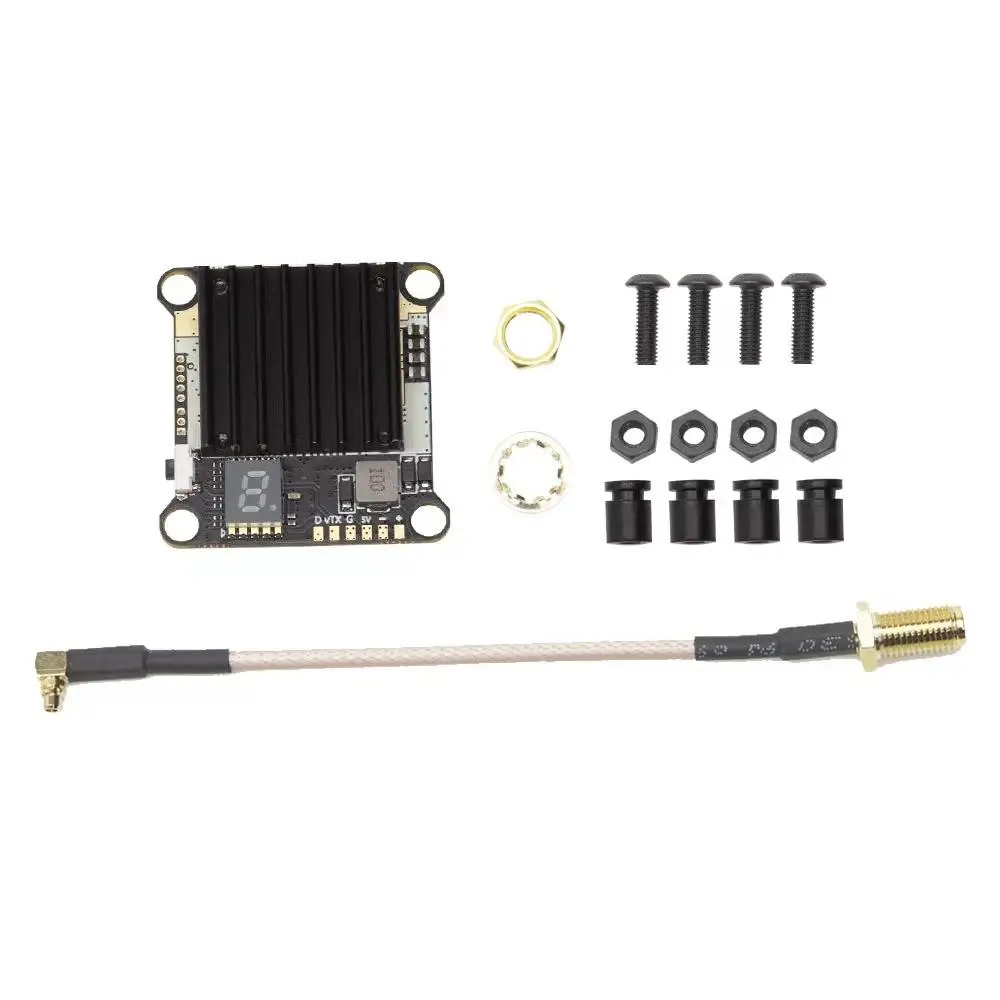
FPV or First-Person View drones are changing how people approach aerial work completely, giving pilots a much more engaging experience with better control over what they're doing up there. When manufacturers started incorporating those newer electric motors into the design, it really made a difference for both how well these machines perform and how long they can run on a single charge. We've seen FPV tech become super popular in areas like film production and land mapping recently. Looking at industry reports confirms what many observers already know - businesses across construction, agriculture, and even real estate are picking up FPV drones faster than ever before because they just work so much better than older models for most tasks.
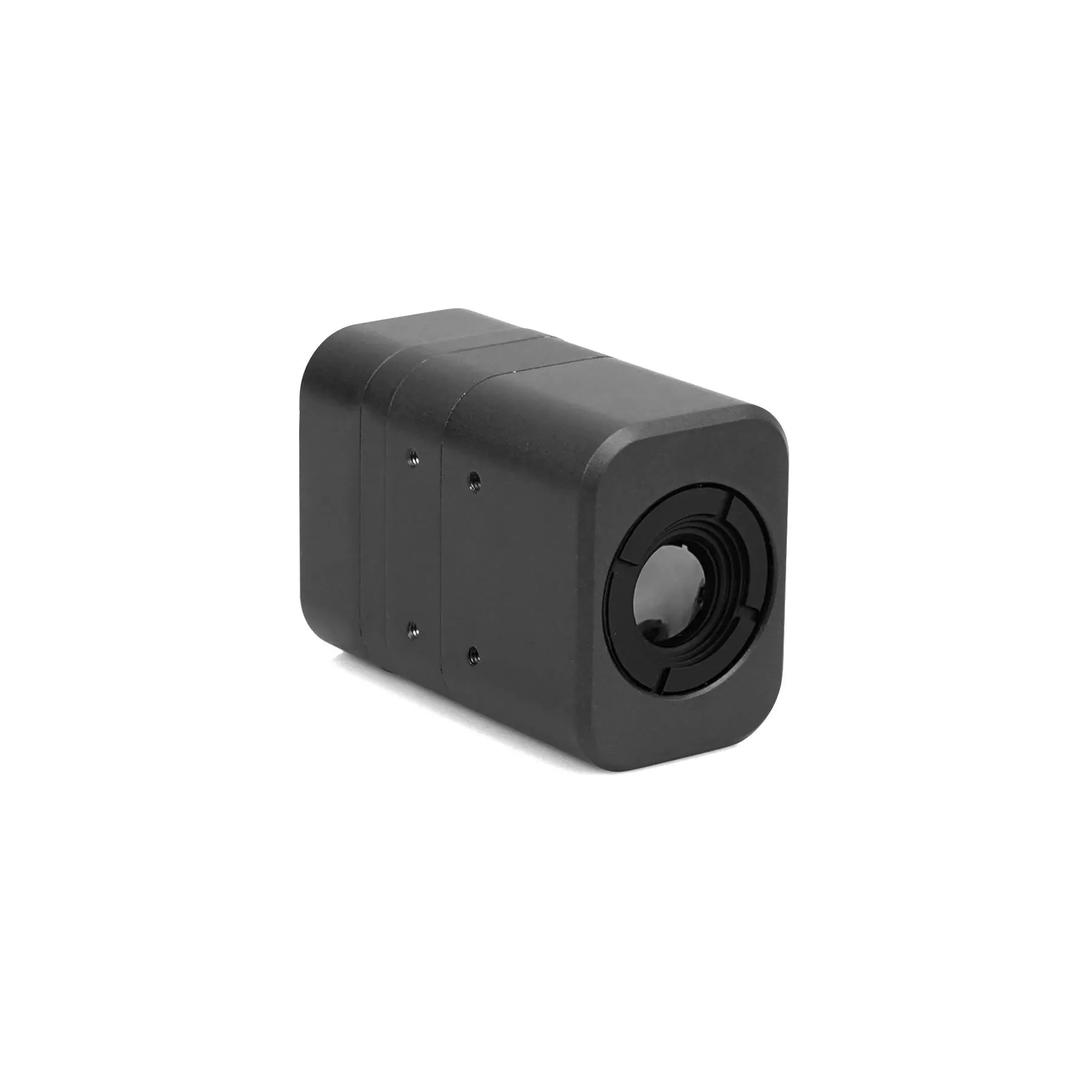
Stabilizers have become a must-have for anyone wanting good aerial footage because they provide that much needed stability when shooting from above. They basically cancel out all those annoying shakes and wobbles so photographers can get clear, sharp images even when moving around quite a bit. The film industry has really taken notice of this tech lately. Market reports show growing interest among professionals who want better control over their shots. For serious aerial work, having a decent stabilizer makes all the difference between decent footage and something truly professional looking. Most drone operators will tell you it's worth investing in one if budget allows.
Modular eVTOL aircraft represent something pretty revolutionary for how we think about flying around. These vehicles can be scaled up or down depending on what they need to do, which means they work just as well carrying people across town as they do shipping packages between cities. Industry insiders see a lot of momentum building here thanks to big money flowing into研发 (R&D) efforts and governments starting to catch up with regulations that actually make sense for these new machines. What makes this so exciting is not just the tech itself but where it could take us next the ability to zip through urban skies without dealing with traffic jams might soon stop being science fiction.
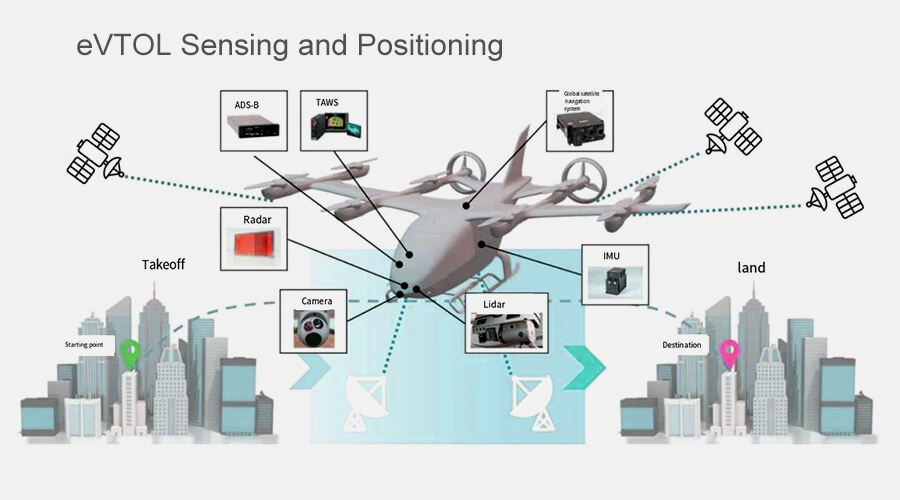
Urban air mobility, or UAM for short, is becoming something really interesting for city planners who want to tackle traffic problems on our crowded streets. Cities that have started testing these ideas, like Dallas and LA with their early experiments, saw some good results already. Travel times went down quite a bit, and people living in different parts of town found it easier to get around without relying solely on cars. Around the world, governments are getting involved too. The EU launched something called U-Space while over here in America there's this big initiative known as the Urban Air Mobility Grand Challenge. These efforts aim to make flying taxis not just possible but actually work well within existing cities. They're putting rules in place now so when these aircraft start operating regularly, everything runs smoothly from safety standpoint all the way through how they fit into daily life for everyone.
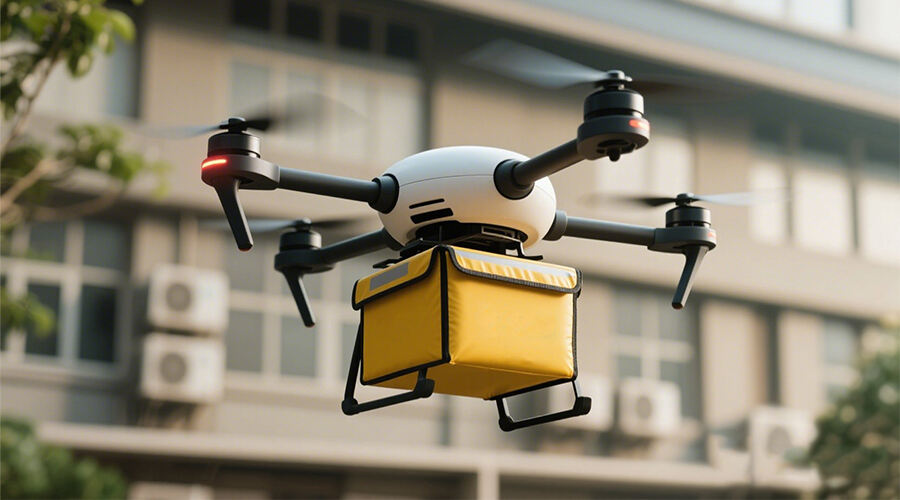
Drones used in agriculture have really changed how farmers approach precision farming, giving them actual information about plant conditions and what kind of harvests they might expect. Farmers can now spray pesticides only where needed and keep close watch on their fields, which cuts down on wasted water and chemicals. Some research done recently showed that when farmers start using drones smartly, they often see around a 20 percent increase in what they harvest. The ability to get fresh data straight from the air helps growers make smarter choices day to day, leading to farms running smoother overall and ultimately getting better results at harvest time.
Drones are now essential tools for emergency responders because they give real time views of what's happening on the ground. These flying machines help get medicine to people who need it fast and let authorities see what's going on from above when there's trouble. We've seen them work wonders in recent disasters, especially when quick action was needed and having an overhead view made all the difference between life and death. Take hurricanes or earthquakes for example. Drones fly over damaged areas quickly, showing rescue workers exactly where help is most needed. This saves precious time and gets aid to victims much faster than traditional methods could ever manage.
Airspace management needs a serious overhaul if we want to safely bring in all these low altitude operations happening nowadays. Technology keeps moving forward at lightning speed while our rules and regulations seem stuck in neutral most of the time. We really need to get those regulatory frameworks updated alongside what's actually possible technologically. Clear guidelines would make things run much better for everyone flying around down there with their drones and other small aircraft. Plus it means safer skies overall when everybody knows where they stand. Getting this right matters a lot because urban air mobility isn't just some futuristic concept anymore. Cities across the country are already seeing changes as companies start testing delivery services and ride sharing options that take pressure off crowded roads and help move people and goods faster between destinations.
When operations get really dense in the skies, we need solid safety rules to prevent crashes from happening. With all these drones buzzing around plus those electric flying cars taking off vertically everywhere now, putting in place automatic safety stuff makes sense for keeping things running smoothly day after day. International groups like ICAO should definitely be part of creating these rules so everyone plays by similar guidelines worldwide. After all, consistent standards help build confidence not just among regular folks but also investors looking at pouring money into this whole low altitude airspace business that's growing fast right now.
Managing airspace across provinces becomes increasingly important as the low altitude economy starts taking off. When different regions work together through shared frameworks, they tend to run operations much smoother than those working alone. Look at places where this kind of cooperation already exists - these areas report far fewer problems with air traffic control and related issues. Good coordination doesn't just keep things safe in the skies, it actually helps cities improve their overall governance too. Many municipalities are now using smart tech solutions to coordinate flights over historic sites and cultural landmarks, which benefits both tourists and local communities while maintaining strict safety standards throughout the region.
The low altitude economy market looks set to explode in the coming years, with some pretty exciting possibilities ahead. We're talking around $100 billion in market value by 2035 according to various industry forecasts. What's driving all this? Cities getting bigger and people wanting more from the skies above them. Drones are already changing how packages get delivered and how tourists see famous landmarks. For anyone invested in this space, keeping tabs on market trends isn't just helpful it's absolutely necessary if they want to stay ahead of the curve. Looking at how fast other tech sectors have grown gives us a clue about what might happen next in these lower airspace zones, where new businesses are popping up left and right as regulations slowly catch up with innovation.
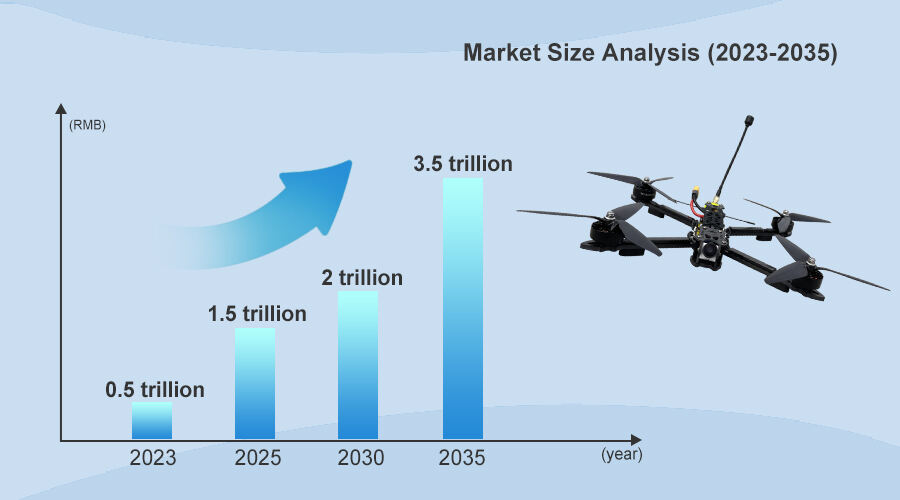
As the low altitude economy continues to grow, it looks like we'll see a lot more job openings across various fields, especially in technology and manufacturing areas. Some estimates suggest around a million new positions could emerge by 2030, covering everything from engineers working on flight systems to people operating drones day to day. These kinds of jobs matter a lot for overall economic health since they directly impact how much money flows through the system. Most economists believe that having more people employed in these growing industries should help stabilize economies while at the same time pushing forward new technologies. That combination of stable jobs and tech progress makes the low altitude space an increasingly important part of our economic future.
When countries start pouring money into Advanced Air Mobility (AAM), the competition gets really fierce, and everyone wants to be first at the tech game. The nations already ahead in AAM research are likely to grab big chunks of the market because they'll have all the cool new stuff others need to catch up on. Take look at places like Southeast Asia or parts of Africa where AAM is still pretty new but growing fast these days. They might not be leaders yet, but there's definitely room for them to make their mark eventually. Getting serious about air transport tech isn't just about having better planes it also means building partnerships across borders while showing off how economically progressive a country can be through its aviation capabilities.
 Hot News
 EN
EN