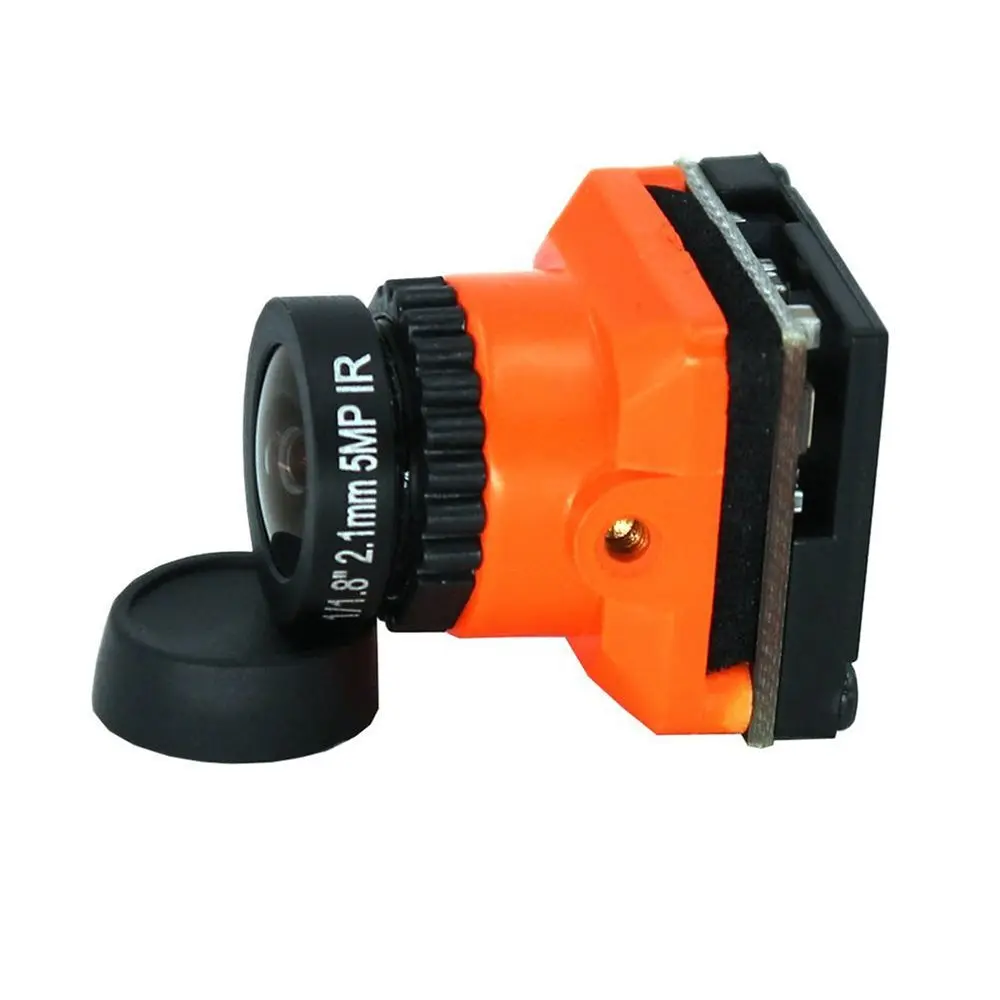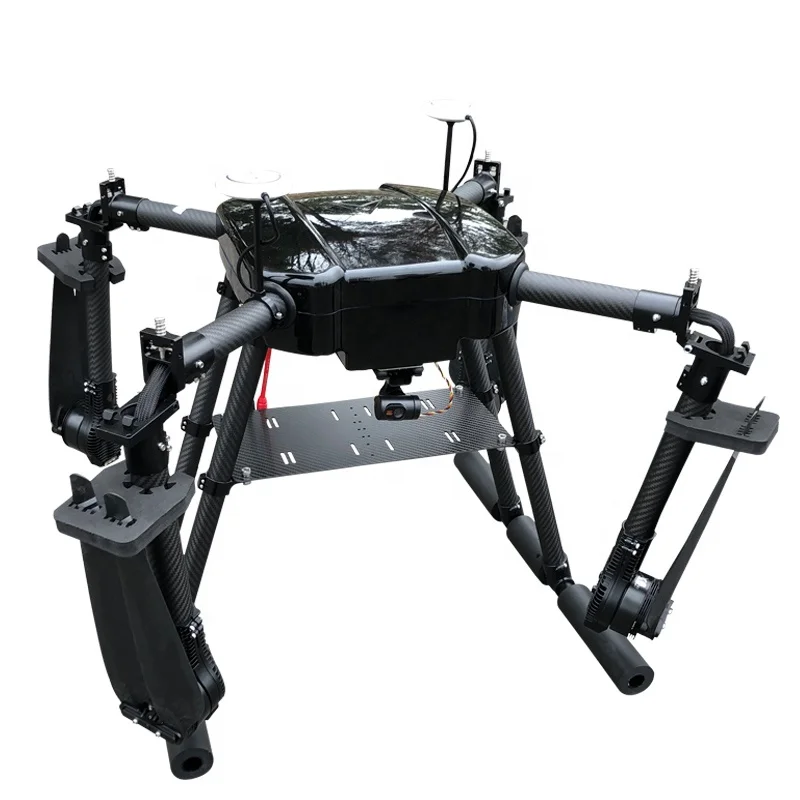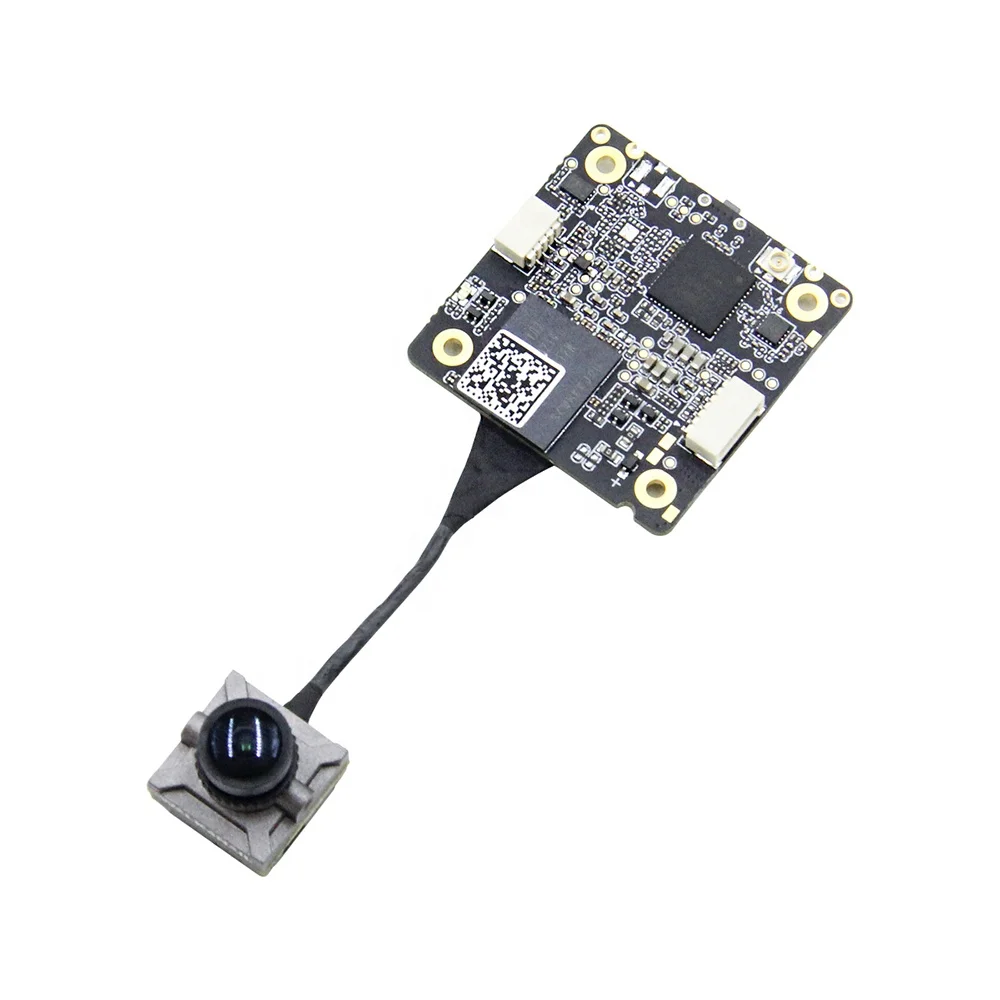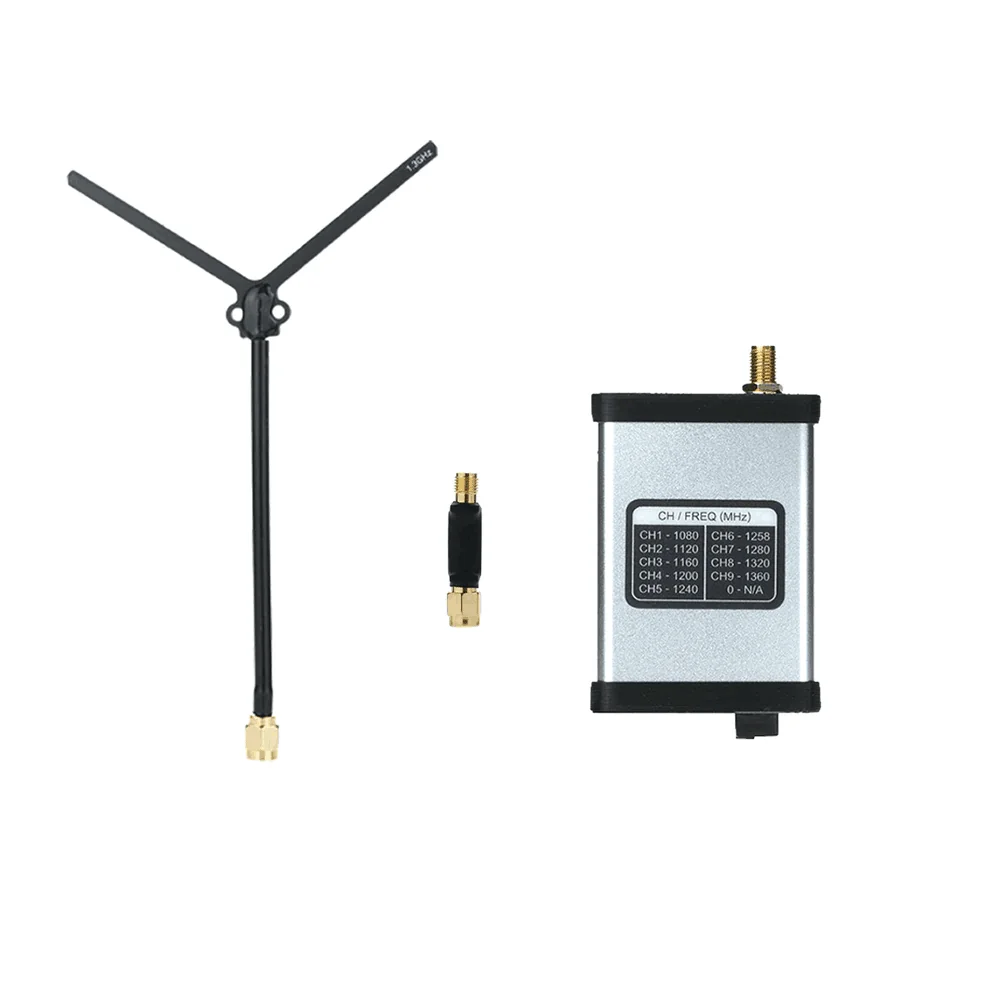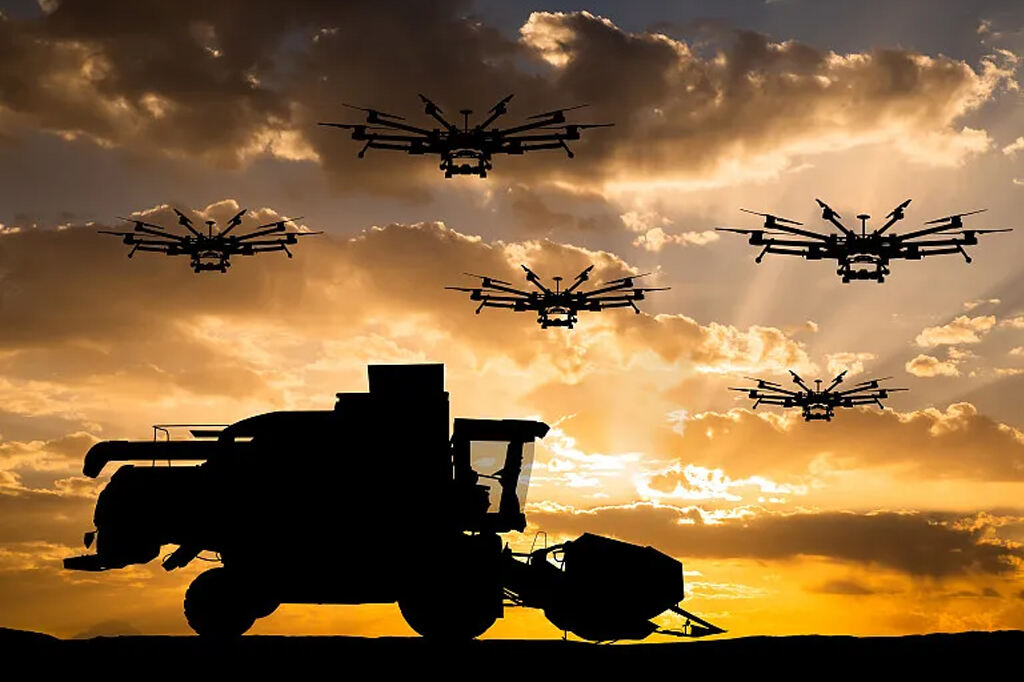
Visual inspections have changed completely since drone cameras started capturing those super clear images and videos that show exactly what's going on with infrastructure. The detail these cameras pick up helps spot issues long before they turn into big headaches for maintenance teams. Back in the day, checking structures meant sending workers up ladders or building temporary platforms, processes that took ages and put people at risk. Industry numbers suggest that switching to drones cuts down inspection time around half, saving money while causing less hassle during operations. What makes drones really valuable is their ability to reach places where humans just can't go safely. Bridge undersides, tall buildings, anything dangerous or hard to access gets checked without putting inspectors in harm's way. This not only keeps workers safe but also means maintenance work gets done faster and better overall.
Flight controllers represent a game changer when it comes to keeping drones stable and accurate during inspection missions. The best models come equipped with GPS and smart obstacle detection capabilities that let them navigate complex environments while maintaining pinpoint accuracy on infrastructure assessments. When drones handle their own navigation automatically, they deliver much more consistent results compared to what humans could achieve manually, cutting down on mistakes and missed spots. Industry studies point to around a 25-30% boost in inspection speed thanks to these advanced controllers. Beyond just saving time, this technology allows for deeper examination of assets, making it easier for maintenance teams to spot issues early before they become major problems.
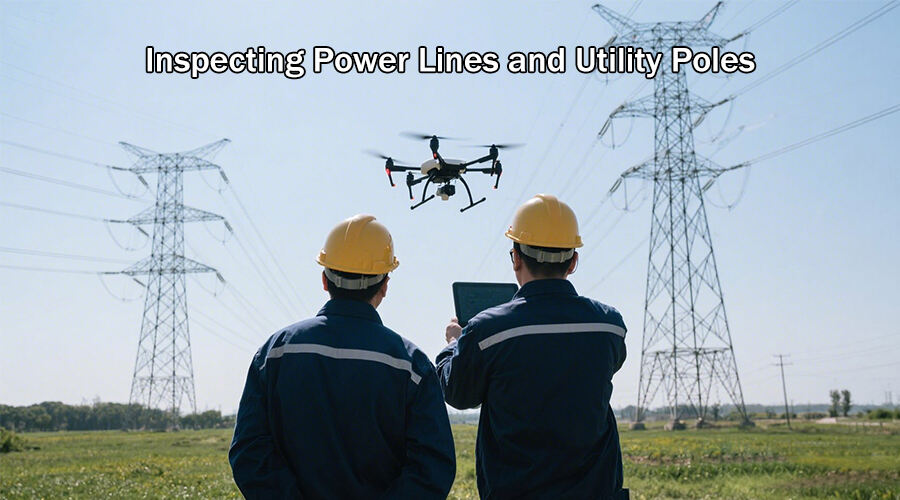
Thermal imaging drones are changing how power line inspections happen, giving them a big edge over old school techniques. These flying devices come equipped with infrared sensors that spot hot spots and other problems along power lines which regular eyes just cant see. For electric companies, this means finding trouble spots before they turn into major headaches. Research indicates drone inspections find faults better than conventional approaches do, cutting down on time spent checking everything by around half sometimes. The savings dont stop there either. Less downtime means fewer outages for customers, while maintenance bills drop substantially too. Companies can now fix things before breakdowns occur instead of scrambling after something goes wrong with their electrical networks.
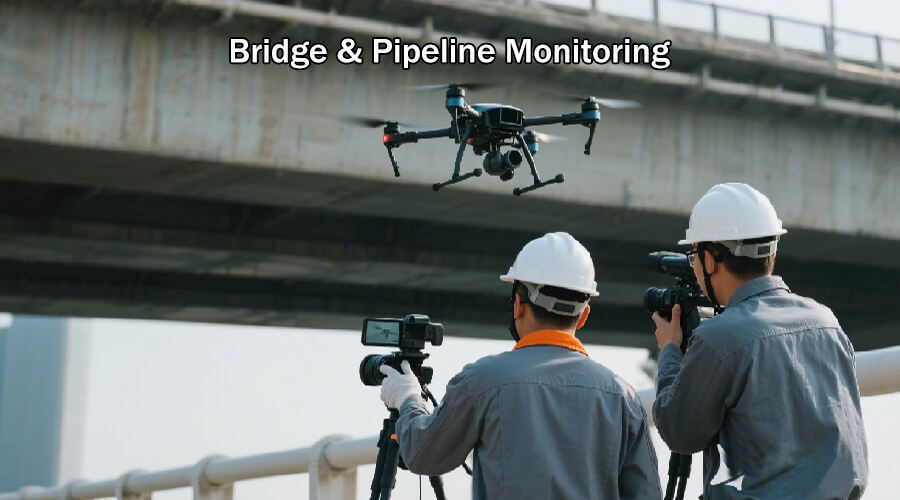
The LiDAR mapping tech is really changing how we monitor bridges and pipelines these days. It gives us super detailed measurements that tell us exactly what condition the structures are in. Basically, it shoots out laser beams to build those cool 3D models, which lets engineers see where things might be wearing down or getting bent out of shape over time. Take Alaska for instance, their transportation department ran a project using this stuff last year, and they were able to spot issues with several highway bridges way before anyone would have noticed otherwise. When problems get caught early on, fixes happen sooner rather than later, so roads and pipes last longer and people stay safer. Looking at all this, it seems pretty obvious why more cities and states are jumping on board with LiDAR systems for checking their infrastructure.
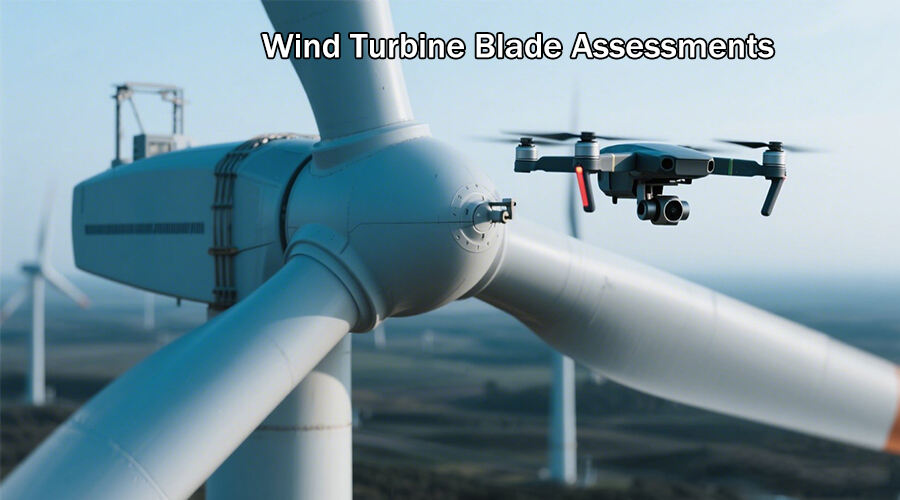
Small FPV drones are changing how we inspect wind turbine blades. These little machines can get up close and personal with those massive blades, thanks to their nimble flight patterns and live video feed. They zip around places where humans just cant reach safely, spotting cracks and wear spots that might otherwise go unnoticed until it's too late. Wind farm operators report cutting inspection time by half when switching from traditional methods to these flying inspectors. While there are still challenges with weather conditions affecting performance, most maintenance teams now consider drone inspections standard practice rather than experimental tech. The savings in downtime alone make them worth the investment for many renewable energy companies today.
Adding advanced camera stabilizers to drones is now pretty much standard practice for getting good quality images while flying. These devices basically stop those annoying wobbles and shakes that ruin pictures when drones move around during inspections. Without proper stabilization, the footage would be all over the place making it hard to spot problems on bridges, power lines or building facades. Better stabilized shots mean cleaner inspection reports too, so engineers can actually see what needs fixing without guessing based on blurry video clips. Research indicates that stable imaging makes inspection results way more trustworthy, which means cities spend less money repairing things they didn't need to touch in the first place. Camera stabilizers aren't just about nicer looking photos anymore; they're becoming critical equipment for anyone running regular maintenance checks across infrastructure networks.
The integration of artificial intelligence into drone flight controls has transformed how these devices handle navigation and avoid obstacles. With AI at work, drones can now make their own decisions when flying through complicated spaces, which makes them much safer and more efficient overall. We've seen a real boost in both safety and dependability for automated inspections since this tech came along. Take for example how AI algorithms help drones spot things in their way before they even get close, allowing them to change course automatically and stay away from trouble spots. Looking at what's happening in sectors like construction and infrastructure maintenance, companies report faster inspections and fewer accidents compared to old school manual checks. The difference between AI-equipped drones and traditional methods is pretty stark in terms of both time saved and risk reduction.
The use of multispectral sensors is changing how we look at infrastructure inspections because these devices let drones see things outside what the naked eye can detect. For instance, when looking at green spaces around construction sites, this tech helps spot problems that would otherwise go unnoticed until it's too late. These sensors gather information from multiple wavelengths, giving us detailed pictures about how healthy plants really are, what kind of dirt they're growing in, and even if there might be issues with nearby water sources. This matters a lot for big projects ranging from building bridges to restoring wetlands after development work. We've seen actual cases where companies used multispectral imaging during road expansion planning. The data collected helped them avoid costly mistakes while still meeting environmental regulations, proving that good decisions come from seeing more than just what appears on the surface.
Keeping data secure matters a lot when companies use drones to inspect things like bridges, power plants, and other vital structures. The information these drones collect about how strong buildings are and what repairs they need can be really sensitive stuff. That's why good security practices are essential to stop people from getting into this data without permission or causing leaks. Most operators now rely on strong encryption methods and safe ways to send data back from their flying machines. Security specialists point out that as more businesses adopt drone inspections, there are actually more chances for hackers to find weaknesses. This means companies have to keep improving how they protect their digital assets over time. When inspection data stays private and accurate, it doesn't just protect physical assets either. It helps build customer confidence too and makes sure everyone follows those important regulatory requirements across different industries.
The combination of predictive analytics and data gathered by drones is changing how we look at infrastructure maintenance planning. Modern drones come packed with all sorts of sensors that collect tons of information which gets processed to spot problems before they actually happen. Take temperature fluctuations or small structural movements for instance these are the kinds of things that analytics programs track to figure out where wear might start happening next. This lets maintenance crews get ahead of the problem rather than chasing after it. One real world test on bridge maintenance showed pretty impressive results too around 20 percent lower operating costs when they started using this method, plus structures lasted longer since minor issues got fixed sooner rather than later. Putting together predictive models with drone tech makes sense for anyone managing assets because it cuts down those expensive repair bills over time while keeping everything running smoother.
Swarm tech offers something new when it comes to doing big inspections across wide areas. Instead of sending out one drone at a time, operators deploy whole networks of drones working together. These flying teams can cover massive stretches of infrastructure like oil pipelines or electrical grids much faster than what we see with traditional methods. The drones actually talk to each other using smart software that helps them figure out the best routes without getting in each other's way. Some research points to around a 40 percent reduction in inspection time when using swarms, plus they capture detailed images that are really important for making good assessments about structural integrity. Early tests in places like Texas showed how these coordinated flights deliver both quicker results and better quality data compared to older techniques, which has infrastructure managers thinking seriously about adopting this approach for regular maintenance checks.
Autonomous repair drones are changing what's possible in tech, allowing fixes to happen without people needing to be there. These flying machines come loaded with special tools and smart AI systems that let them do things like seal cracks or make welds on big structures. Wind farms and telecom companies could really get a boost from this tech since their equipment often sits in places where sending workers is dangerous or just plain impractical. Some engineers think we'll see these drones doing regular maintenance jobs all over the place within the next few years. The cost savings alone would be huge for businesses while keeping workers out of risky situations. What makes this particularly exciting is how it shifts maintenance approaches from reactive fixes to something much more planned and efficient across different industries.
 Hot News
 EN
EN