Flying FPV (First Person View) drones gives pilots something totally different compared to regular drones most people know. With normal drones, folks watch what's happening from down on the ground, but FPV setups send live footage straight into special goggles or screens. What this means is pilots get to feel like they're actually sitting inside the drone as it zooms around, completely changing how they see things while flying. The main stuff that sets these apart comes down to controls and what people do with them. FPV models respond super fast and give pilots much more direct control over every move, which makes them perfect for drone racing competitions and those fancy tricks people pull off in freestyle flying sessions. Regular consumer drones tend to work better for newcomers wanting to take pictures or just have fun flying around casually. But FPV draws in serious hobbyists who love pushing boundaries with complex aerial moves at breakneck speeds.
FPV tech basically works by connecting cameras to drones and sending what they see straight to the pilot's eyes. Most setups start with HD cameras stuck on top of the drone, grabbing whatever action happens in front of them. These images get sent over either radio waves or digital signals to where the pilot looks at them – usually special goggles or just a regular screen. One big problem people run into with FPV is lag time between what happens and what shows up. But things have gotten much better lately thanks to improved hardware. Modern signal tech means most pilots now get pretty much instant visuals, so they can steer accurately without chasing their own tail. For anyone who's flown FPV seriously, this difference makes all the world of difference between crashing into trees and actually enjoying the flight path.
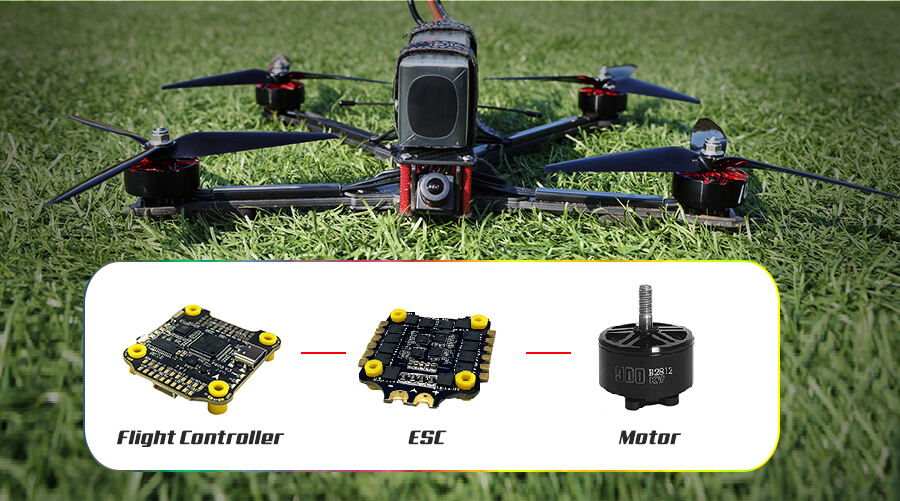
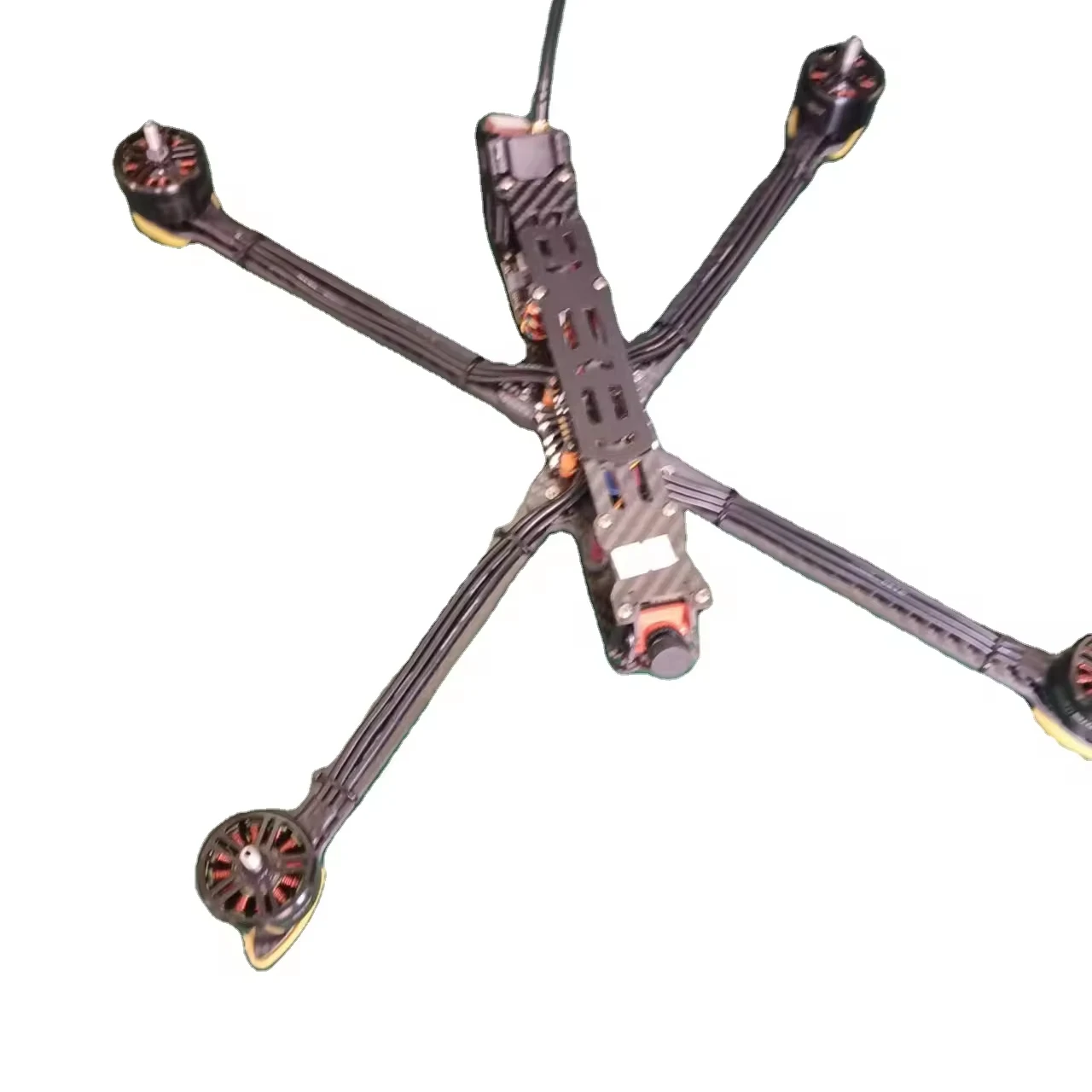
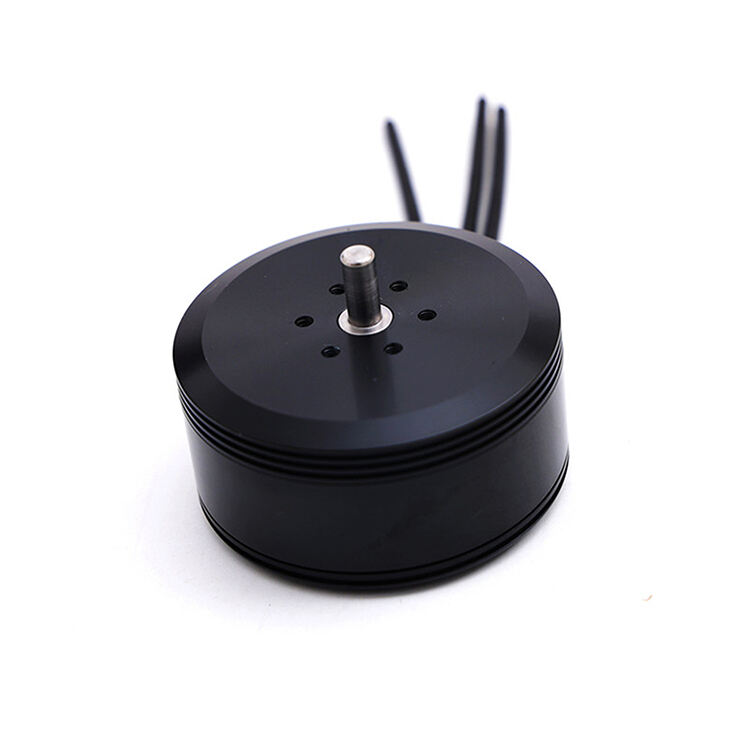
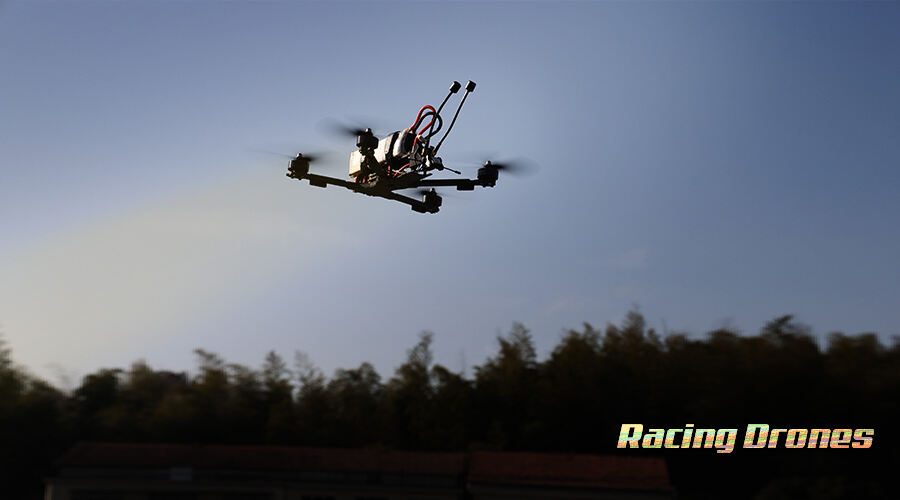
What sets racing drones apart in the FPV world is their focus on going fast and hitting targets accurately. Most models come with super light carbon fiber bodies and beefy brushless motors that let them zip through courses at incredible speeds. Drone racers spend countless hours tweaking everything from propeller angles to ESC settings just to gain those precious milliseconds over competitors. The Drone Racing League has really taken off lately, drawing crowds who watch pilots weave through gates at breakneck pace. What makes these events so exciting isn't just the speed but watching pilots pull off impossible turns and flips mid-air while maintaining control of their machines.
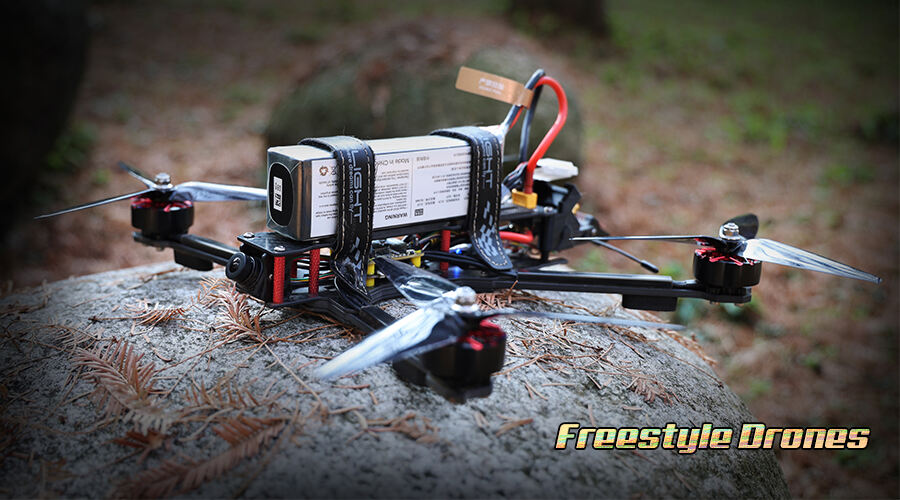
Freestyle FPV drones let pilots pull off all sorts of wild moves in the air, giving them space to really show off their creative side with those crazy flips and twists. People love watching these drones at local competitions or online communities where flyers basically become stunt performers, doing stuff that seems impossible without crashing. The whole freestyle scene has grown into something pretty amazing, with lots of pilots getting famous for coming up with new tricks and making awesome videos. Take Johnny Schaer, known to everyone as Johnny FPV. He's been a big name in this world for years, constantly finding ways to make his drone do things no one thought possible before. His footage isn't just cool looking it actually motivates newcomers who want to get into the hobby themselves.
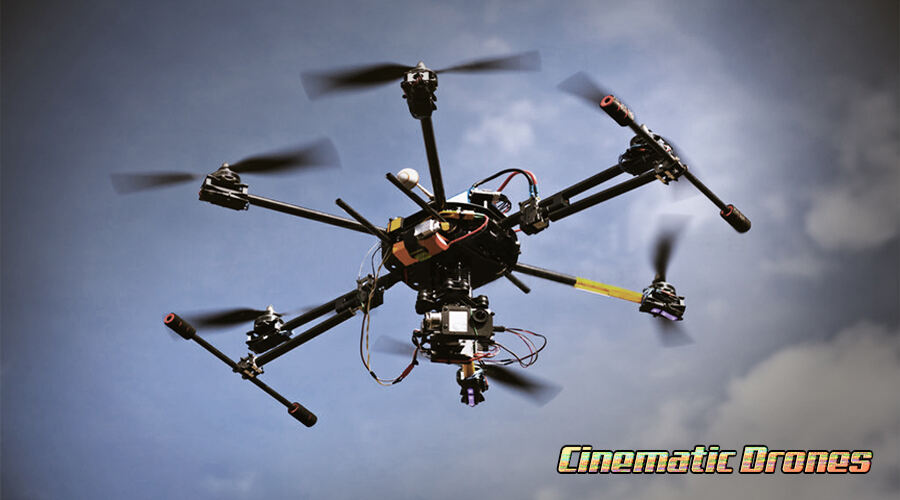
Filmmakers now have access to cinematic drones that give them totally new angles for their work. The stabilization tech built into these devices makes it possible to get really smooth, professional quality footage even when moving around. Big budget movies rely heavily on this equipment because nothing beats those sweeping aerial shots that used to be nearly impossible back in the day. Take "The Wolf of Wall Street" for example they actually shot some pretty intense sequences using drones which really pulled viewers into the action. There's definitely a catch though. Anyone wanting to fly these things professionally needs to deal with all sorts of regulations first. Getting proper permits and sticking strictly to airspace rules is non negotiable if they want to stay on the right side of the law. This whole permitting process might seem like a hassle but honestly it's there for good reason after all, nobody wants accidents happening during a big production shoot.
For drone fans looking to get hands on, DIY FPV kits let them build their own machines while learning how everything works. Most kits come with frames, motors, radio gear, and cameras that people can swap out based on what they want. When someone puts together all these parts themselves, they really start to grasp how drones actually function mechanically and electronically. Building one from scratch teaches folks a lot about troubleshooting when things go wrong and figuring out solutions to problems as they arise. There's also a pretty active group of DIY drone builders who hang out online and meet up in person too. These communities share tips, tricks, and sometimes even failed attempts at making better flying machines. This kind of sharing helps push the hobby forward and keeps everyone excited about experimenting with new ideas.
FPV goggles really matter when it comes to any FPV setup because they give pilots that immersive feeling while flying. Instead of just controlling something far away, these goggles create the sensation of being right there in the cockpit, soaring through the air. Different models on the market come with varying levels of resolution and field of view, both important factors for seeing clearly and staying aware of surroundings during flights. Take the Skyzone SKY04X model for instance many people love these because they deliver sharp images and cover a broad area visually, giving wearers one of the best experiences available for drone eyewear. Most folks who fly FPV report that having clear vision and getting into the action makes flying much more enjoyable and allows for better control over those tricky maneuvers.
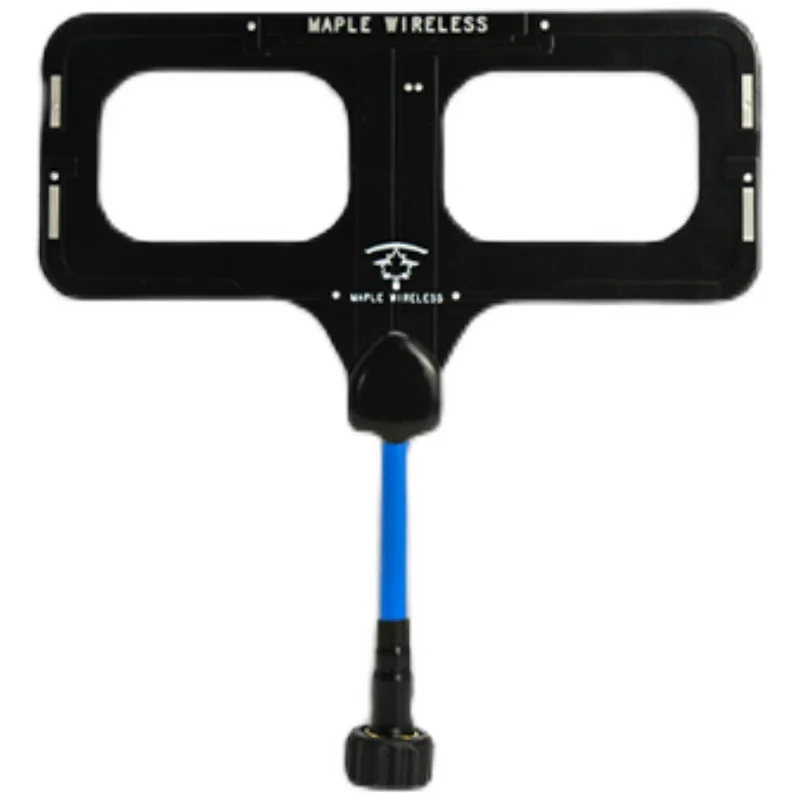
The link between pilot and FPV drone depends heavily on good transmitters and receivers to keep communication steady and allow accurate control. These devices send and receive signals that tell the drone what to do, so picking the right frequency bands and range becomes really important to prevent signal problems and maintain reliable operation while flying. Take the TBS Crossfire combo for instance it gets lots of praise from hobbyists because it handles long distances well and maintains strong signals even when conditions aren't perfect. Beginners often start with this setup since it's forgiving, but seasoned flyers stick with it too because they know how dependable it is. Getting the transmitter and receiver pairing right makes all the difference in how smoothly and responsively the drone flies, especially during those tricky moments when every second counts.
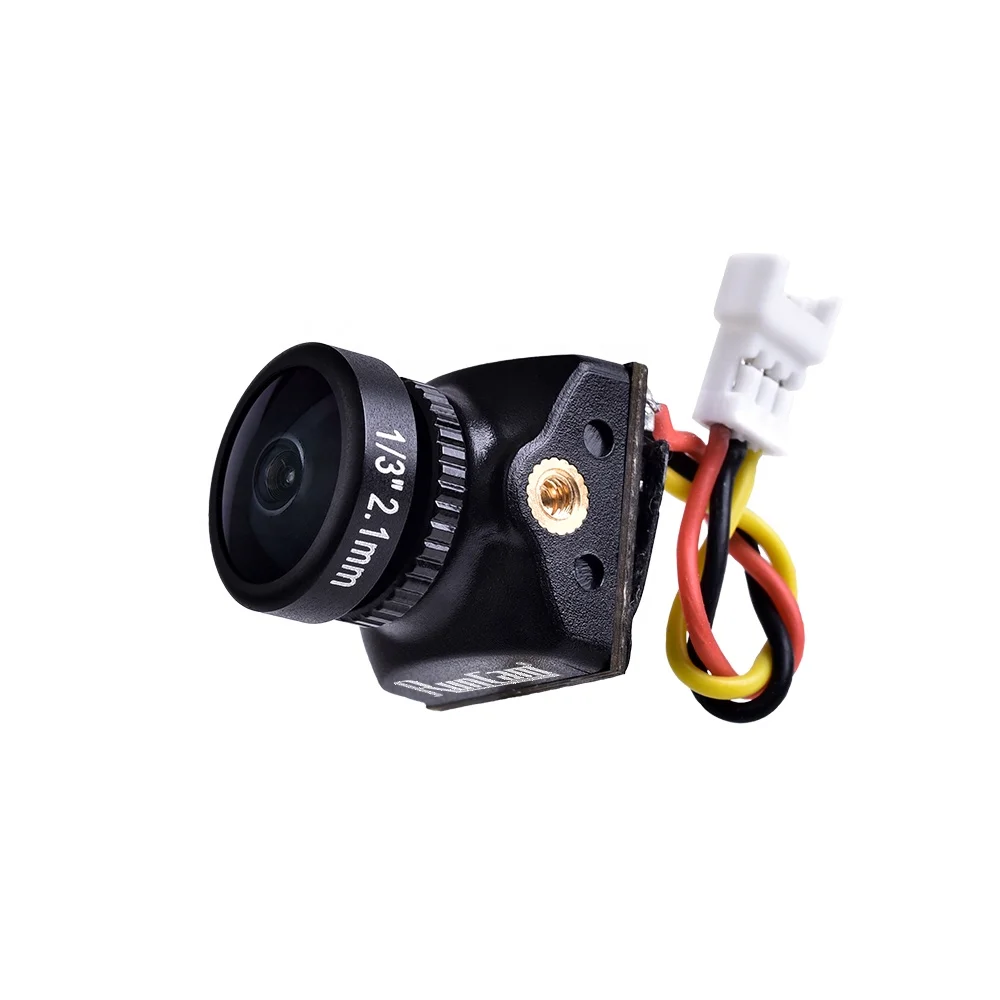
FPV drone cameras have come a long way since the days of analog systems, completely changing what pilots can expect from their flying experience. Back in the day, those old school analog cameras were cheap enough, but they just couldn't match today's standards. They had terrible resolution and lag that made it feel like trying to watch TV through static, something straight out of the 70s. Modern HD digital options like the DJI O4 Pro tell a different story though. These babies deliver crystal clear images right up to 4K resolution, plus smart features such as built-in video stabilization that keeps footage steady even during wild maneuvers. For anyone who wants to capture stunning aerial shots or compete seriously in races, this kind of clarity makes all the difference when navigating tight spaces or tracking fast moving subjects. And let's not forget how important the camera choice really is beyond just picture quality. A heavier camera adds extra load on the drone, while poor latency can throw off timing completely, making those split second decisions during flight either spot on or disastrous.
Drone racing has become super popular around the world lately, drawing in fans who love watching those tiny machines zip through obstacle courses at breakneck speeds. Many of these competitions follow similar formats to car racing, where teams battle it out in time trials or face off directly against each other. Better First Person View systems and increasingly fast drones have completely changed how races are run. A recent look at numbers from the Drone Racing League shows that people are really starting to tune in - millions watch these events across different countries now. What makes this sport so addictive is not just the speed but also seeing all those cool tech innovations in action, which explains why more and more folks keep joining the ranks of competitive pilots every year.
First person view (FPV) drones are now pretty much must-have gear for checking out industrial sites, making things run smoother while keeping people safer across many different fields. These flying gadgets give operators a bird's eye look at spots that would otherwise be tough to get to safely, think about inspecting those long stretches of pipeline running through remote areas or climbing all over massive bridge structures where sending humans is just too dangerous. When paired with sophisticated mapping tech, FPV drones deliver pinpoint accuracy when analyzing locations from above, something construction companies, farmers tracking crop health, and environmental researchers rely on heavily. Take Lithuania as an example country that has really jumped on board with this tech to upgrade its roads and even bolster national security measures. The way these drones work shows just how flexible they can be, cutting costs significantly compared to traditional methods while still maintaining top notch safety standards throughout operations.
FPV drones bring real benefits to military recon work, giving commanders live aerial footage and intel while keeping soldiers out of harm's way. Small enough to maneuver through tight spaces, these devices help track enemy troop movements and positions, which makes a big difference when planning attacks or defenses. But there's definitely an ethical side to all this too. The military needs rules in place so we don't end up violating privacy rights just because we can see everything from above. Defense analysts who've actually deployed FPV tech on battlefields like Ukraine know firsthand how valuable these things can be under fire. Looking ahead, as manufacturers keep improving drone capabilities, expect to see them playing an even bigger role in modern warfare. Governments around the world will have to figure out exactly where to draw the line between security needs and civil liberties protections.
Getting the right balance between what fits the wallet and what delivers good performance matters a lot when picking out an FPV setup. Top tier gear usually gives much better picture quality and comes packed with extra features, though folks need to pay quite a bit more for all that goodness. On the flip side, cheaper options often miss out on some important functions. Take analog systems for example they save money upfront but just cant match the crisp HD visuals that digital alternatives such as DJI or HDZero deliver. Industry pros keep stressing how important it is to think about what works now versus what might be needed down the road. A seasoned drone operator put it this way during a recent interview: "Figure out what really matters most to you. Beginners on tight budgets will find entry level stuff works fine at first, but spending a little extra on decent hardware could actually save headaches later on." Want to know more? Check out our detailed look at the DJI FPV system.
Getting into FPV drones isn't for the faint of heart it takes time to learn how to fly properly while also wrapping your head around all the tech involved. New pilots should check out online groups and message boards where folks actually talk about what works and what doesn't in real life situations. There's also simulator software such as DRL Simulator which lets people get some flight time without breaking their bank account or crashing expensive hardware. The best part? These virtual training grounds create pretty realistic conditions so novices can get comfortable with handling the controls before ever taking off in the real world.
Knowing the rules around flying FPV drones matters a lot if pilots want to stay out of trouble. Most places require registration first thing, then there are all sorts of limits to follow too. Some areas have special zones where flying is allowed, others restrict how high drones can go above ground level. The FAA website has regular updates posted online, along with state-specific guidelines that change pretty often. Sticking to these rules keeps everyone safe in the air and prevents fines or worse penalties down the road. A few minutes spent checking local laws before takeoff saves hours dealing with paperwork later on.
 Hot News
 EN
EN