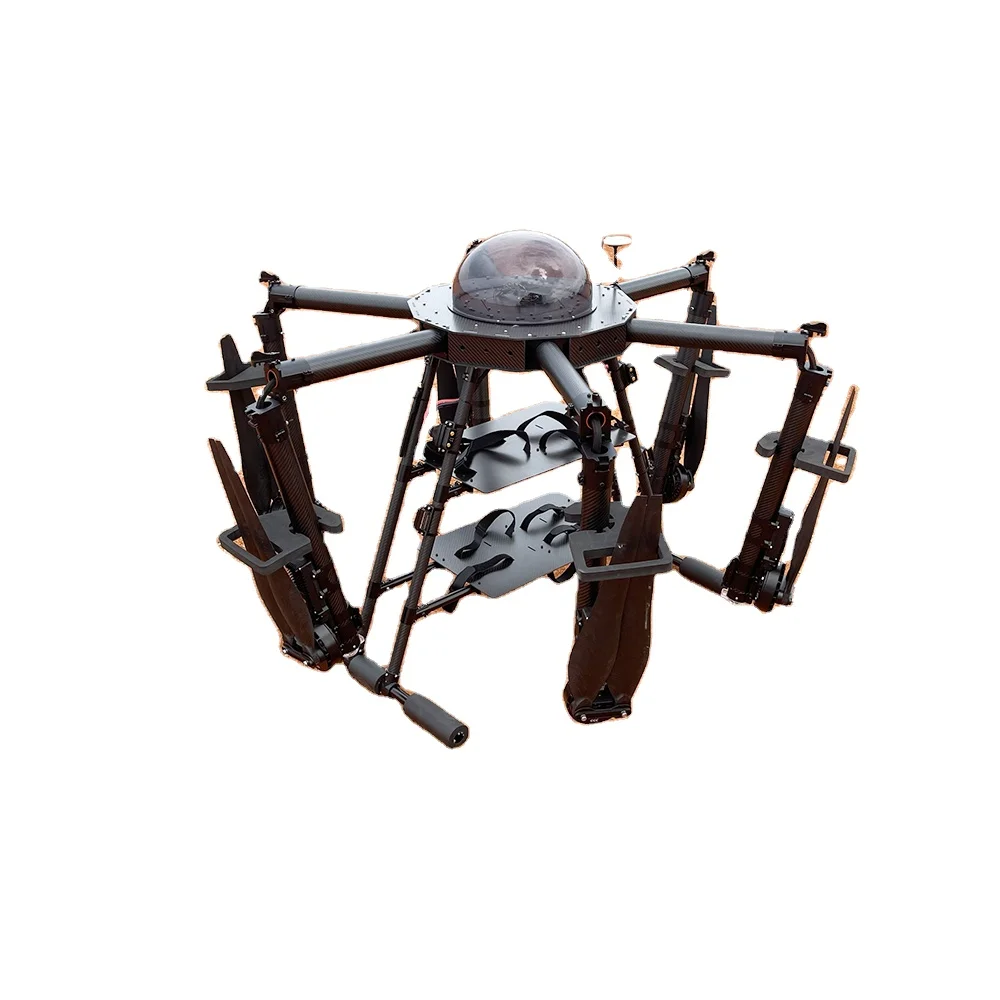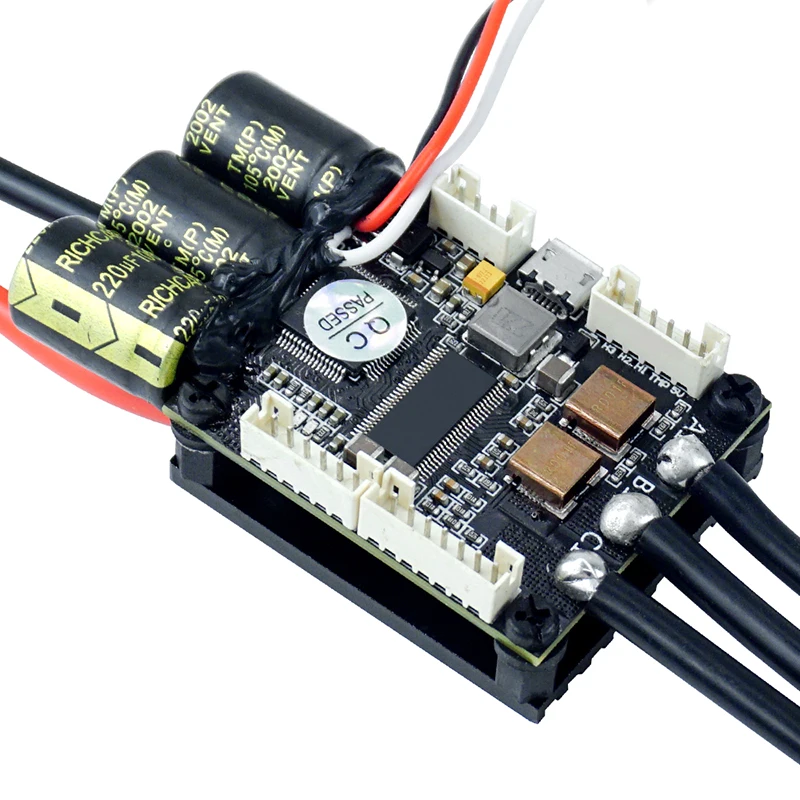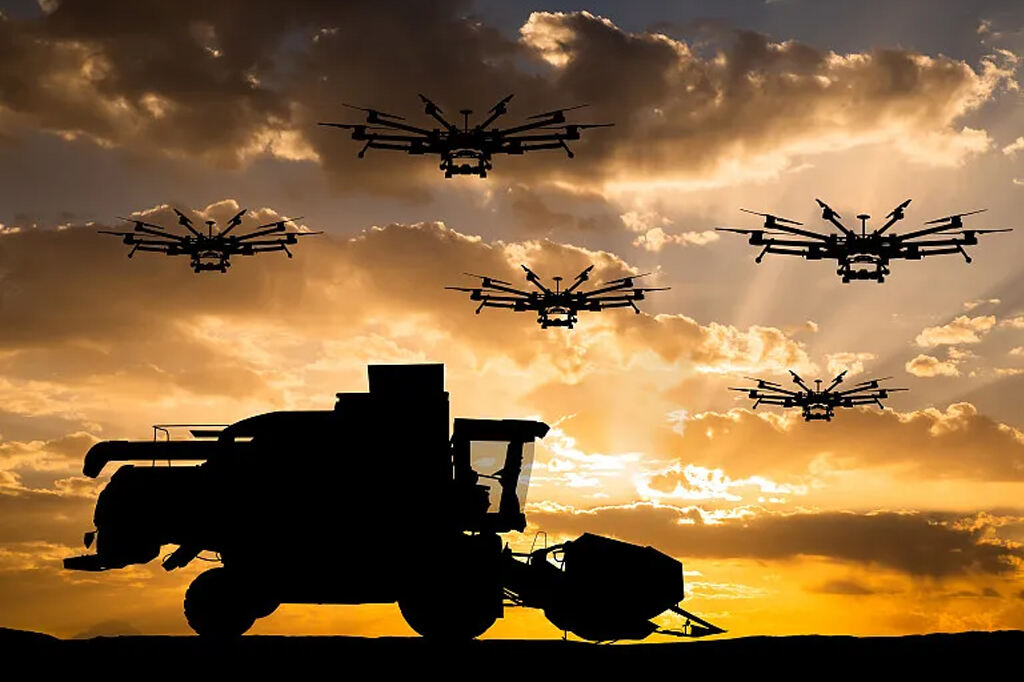
Drones basically depend on three main parts working together motors, cameras, and those little gadgets that keep everything steady during flight. Most modern drones use electric motors because they're pretty much the heart of the system. These motors give good power while running quietly and needing almost no maintenance compared to old fashioned engines. That means operators can run longer missions without dealing with all the noise and regular servicing problems we see with traditional power sources. The cameras mounted on these flying machines do all sorts of things too. People use them for taking pictures from above, creating maps, or even keeping watch over areas. Modern drone cameras come packed with special features designed specifically for whatever task they need to handle. They collect important information and snap clear photos that matter a lot for different jobs. And let's not forget about the stabilizers which make sure the footage stays smooth and the images stay sharp even when flying through tricky weather conditions or uneven terrain.
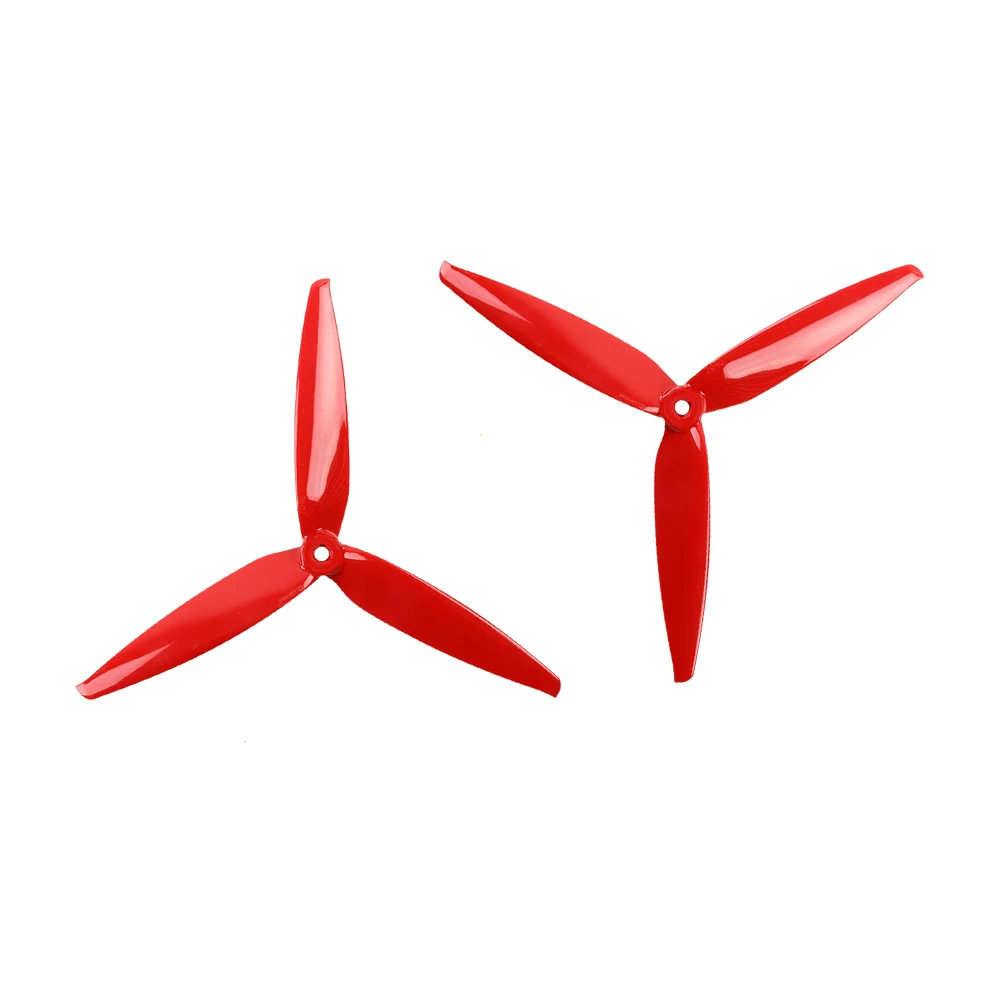
More and more unmanned aerial systems are turning to electric motors instead of traditional combustion engines these days. Why? Well, they run cleaner, make less noise, and generally cost less to maintain over time. When choosing between different types of electric motors for a particular drone application, it really matters because this decision impacts how far the craft can fly, how fast it goes, and what kind of payload it can carry. Looking at recent improvements in motor tech, we're seeing some pretty exciting stuff happening right now. Newer brushless designs have significantly improved both performance and lifespan compared to older models. As a result, operators get extended flight times while using less power overall, which makes electric propulsion an increasingly attractive option across various segments of the drone market.
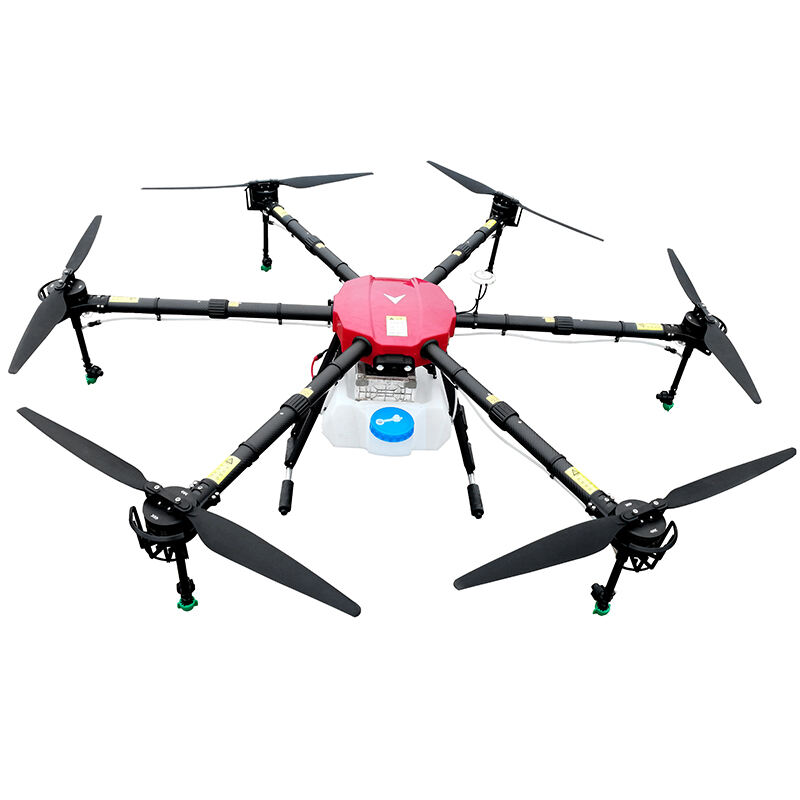
Multi rotor drones have lots of spinning blades that give them great lift and keep them stable when flying around. The way they're built makes these little aircraft super nimble, so they can handle all sorts of jobs even in tricky spots. They can just hang there in mid air, shoot straight up from the ground, or make those tight corners that other planes would struggle with. Take search and rescue missions for instance, or mapping out land from above. These drones really shine because they need to be accurate and able to adjust on the fly. A rescue team might spot someone stuck in a forest and the drone can hover right over them without crashing into trees.
FPV drones give pilots live video right from the drone's perspective, making it much easier to know where they are going while flying. People mostly see these drones at races or film shoots because they respond so well to controls even when zooming around at crazy speeds. The tech behind FPV systems has gotten better over time too, fixing those annoying delays that used to make flying feel laggy. Now most folks report almost instant feedback from what the drone sees. This kind of responsiveness matters a lot when trying to get good shots of things moving quickly or maneuver through tight spaces without crashing into anything important.
Photographers and filmmakers love camera drones because they come packed with those fancy high res cameras that take amazing shots from way up in the air. Most models feature gimbals or stabilizers too, so even when winds pick up or there's turbulence, the footage stays smooth and professional looking. We see them everywhere now actually - realtors use them to showcase properties from above, nature documentaries rely on them for those epic landscape shots, and event videographers get creative angles at weddings and concerts. What makes these devices so special is how they completely changed what's possible in aerial photography. Creative types can now capture perspectives that were once impossible without expensive helicopter rentals or complicated rig setups.
Most multirotor unmanned aerial systems run into problems with how long they can stay airborne and what weight they can carry, limiting where and when operators can deploy them effectively. The battery is really the bottleneck most of the time, since even under perfect weather conditions flights typically last no more than half an hour before needing a recharge. Payload capacity varies quite a bit between models, but generally speaking these drones struggle to lift anything substantial beyond basic cameras and sensors. Trying to add something like LiDAR equipment usually means compromising on other aspects of performance. Because of these limitations, many operators find themselves unable to complete extended surveillance operations or transport heavier payloads over longer distances. As a result, there's been a surge in research focused on improving battery efficiency, developing lighter materials, and exploring hybrid power solutions that might finally break through these current technological barriers.
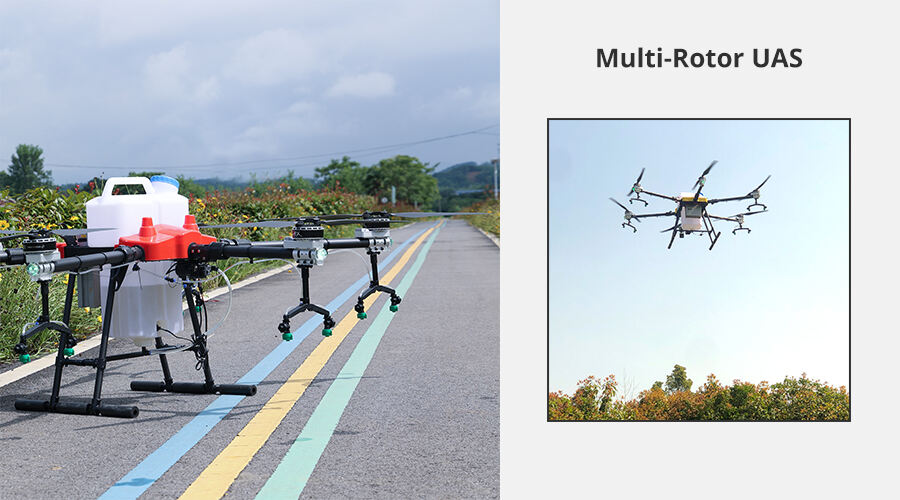
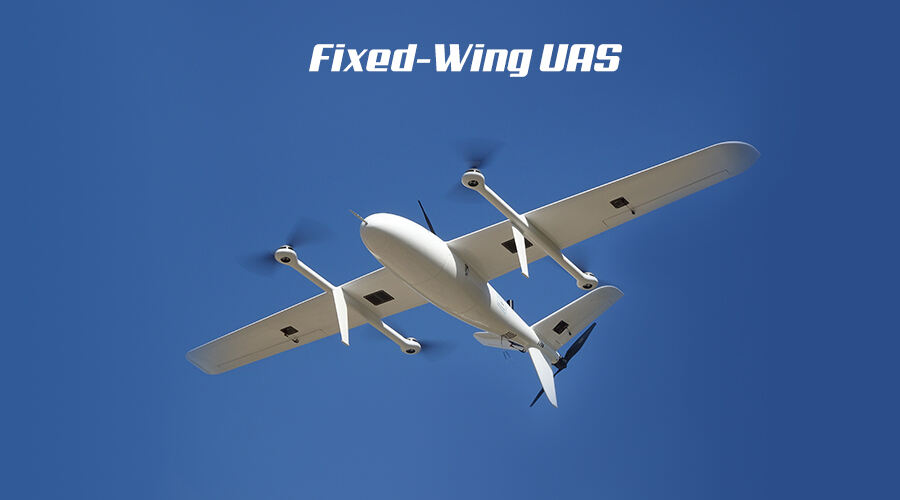
Fixed wing unmanned aircraft systems (UAS) really shine when it comes to covering long distances because of their streamlined shape that lets them stay airborne much longer than other types. Their special design means they can map out big areas during one flight, which is why farmers and environmentalists rely on them so much for things like crop analysis and tracking changes in ecosystems. Most models come packed with GPS tech and various sensors that boost how accurate the maps turn out, which is why professionals in the field tend to prefer these over alternatives. Take farming for example many growers now use these drones to get detailed pictures of entire fields at once, helping them spot problems early and apply fertilizers or pesticides only where needed instead of wasting resources across whole farms.
Adding GPS tech to fixed wing unmanned aerial systems lets these aircraft stick to pre-programmed flight routes, which means they can gather data with remarkable consistency every time. The world of surveying gets a real boost from this stuff because things like navigating between waypoints and doing automatic land surveys make complicated jobs much easier to handle. We've seen some pretty impressive upgrades in GPS tech lately, so now fixed wing drones can actually hit survey accuracy down to the centimeter mark something that's basically required when working on infrastructure projects where tiny details matter a lot. Better GPS isn't just about getting more accurate readings either it helps save resources too and cuts down on mistakes people might make when collecting data manually, which ultimately leads to better results across the board for most projects.
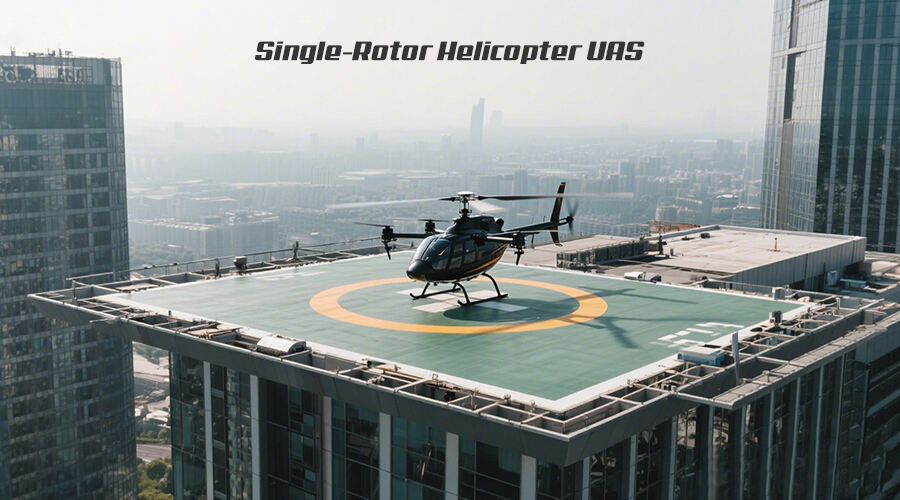
In the world of drones, single rotor helicopters have a distinct edge when it comes to hauling heavy loads because they come equipped with powerful motors. This makes them especially useful for jobs that need advanced equipment like LIDAR scanners attached. Take forestry work for instance where workers map out forest areas or civil engineers who need precise measurements before starting any major construction project on uneven ground. The marriage between these helicopters' carrying power and the pinpoint accuracy of LIDAR tech allows teams to gather all sorts of valuable information about landscapes and structures. As a result, surveyors can complete complicated mapping assignments much faster than traditional methods would allow while getting far better quality results at the same time.
Flying single rotor unmanned aerial systems comes with its own set of technical hurdles, especially when it comes to keeping the craft stable while in motion. Pilots need pretty advanced skills to handle these machines effectively through all sorts of conditions. Safety remains a big concern too because mishandling these drones can lead to serious property damage or even hurt people nearby. That's why following aviation regulations closely and building in solid safety mechanisms matters so much for risk management. The industry keeps working on better rotor technology and emergency protocols to make these single rotor systems safer and more dependable for operation in controlled airspace.
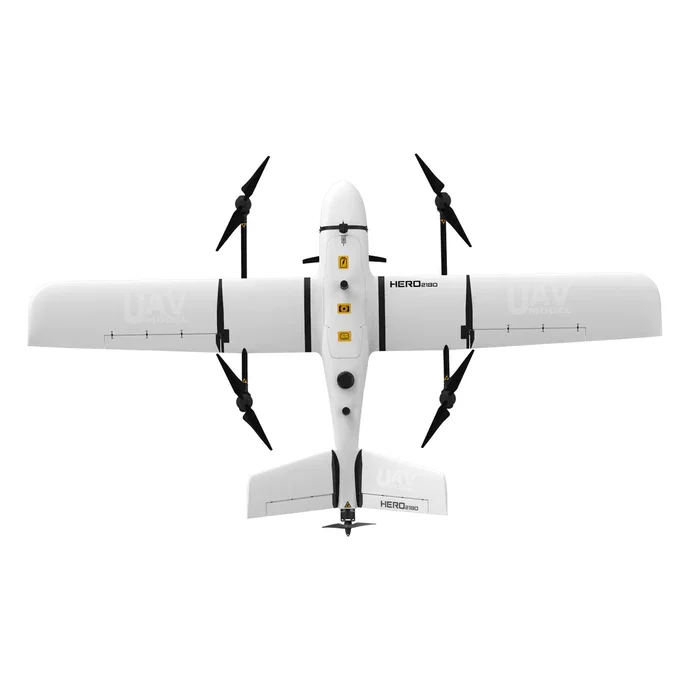
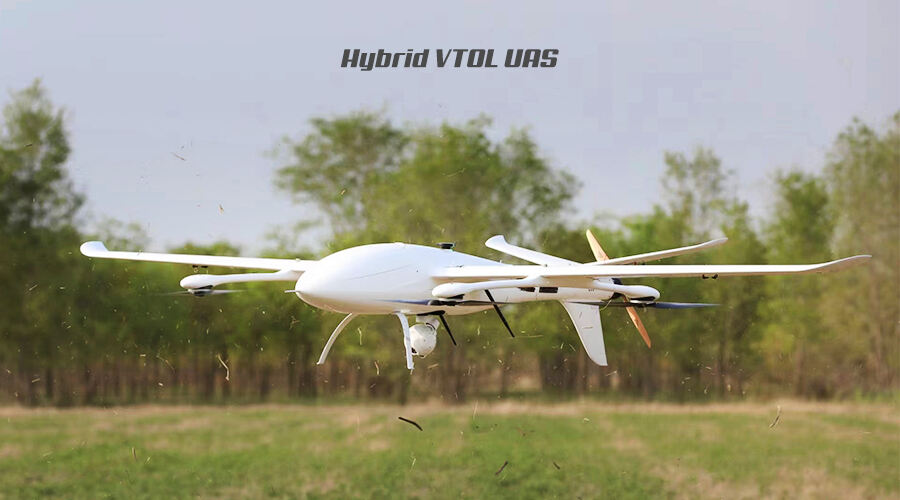
Hybrid VTOL (Vertical Takeoff and Landing) unmanned aerial systems bring together what makes helicopters so good at taking off and landing vertically with the way fixed wing planes handle long trips efficiently. What this means is these drones can actually work in places where there just isn't enough room for regular takeoffs. That's why they're becoming so popular for jobs needing both pinpoint accuracy and the ability to go far distances. When these machines switch from hovering straight up to flying forward like normal planes do, they save a lot on power consumption compared to traditional models. This efficiency opens up all sorts of business opportunities we haven't seen before. Think about how useful they would be when checking out large construction sites or mapping out mountain ranges where normal aircraft struggle to land safely. The combination of being able to hover precisely while still covering ground quickly makes these hybrids stand out in tough terrain situations.
Hybrid VTOL UAS are finding their way into all sorts of new applications across package delivery and surveillance work. These flying machines can zip through the air fast while still being able to hover and maneuver in tight spaces, which makes them really good at dropping off packages quickly in crowded city areas where regular delivery trucks just can't go. When it comes to keeping an eye on things, these drones have a real edge too. They can cover large territories without getting stuck like traditional drones often do when trying to navigate obstacles or maintain altitude over long periods. We're starting to see logistics firms and security companies invest heavily in these systems because they actually solve real problems. The fact that these VTOL platforms can switch between fixed wing flight and vertical takeoff means businesses aren't limited by the same constraints as older drone technology anymore.
 Hot News
 EN
EN