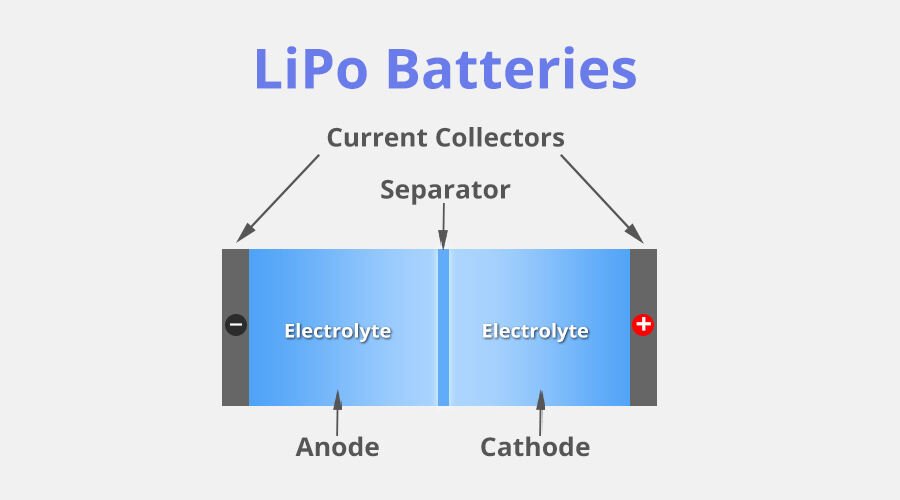
Looking at how electrolytes work inside batteries, lithium ion models typically contain a liquid form that boosts both storage capability and how efficiently they release power. Because of this liquid makeup, lithium ion packs generally store more energy per unit volume than their lithium polymer counterparts. That makes them particularly good for things like drones where having enough juice matters a lot. Lithium polymer batteries instead use either a polymer or something closer to a gel as their electrolyte material. The advantage here is lighter weight and better flexibility for manufacturers to shape into different forms. But there's a tradeoff too since these batteries tend to pack less energy overall and drain faster during operation. Drone operators need to know this stuff when picking out batteries because it directly affects flight time and payload capacity. So whether someone goes for lithium ion or lithium polymer often boils down to what kind of performance balance they want between carrying enough energy and keeping the overall system light enough to fly effectively.
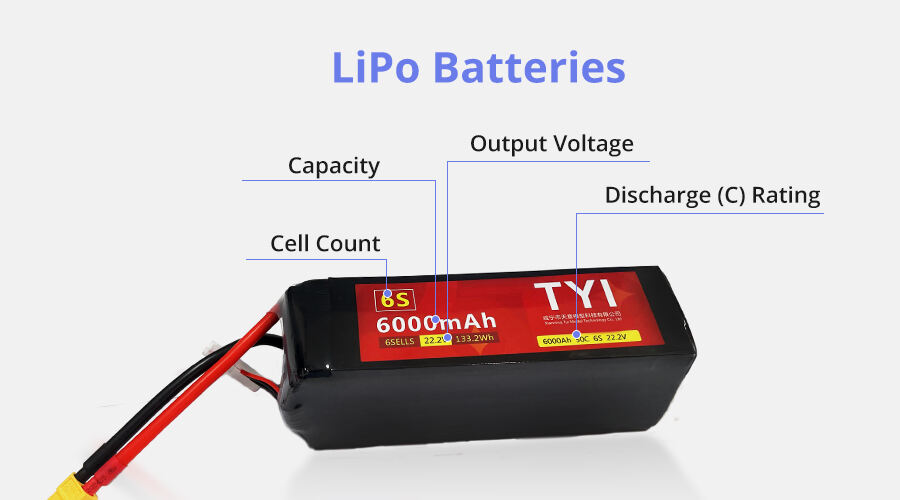
In order to select the proper LiPo battery for your application, you’ll need to know how to read and interpret its specifications. If you have used other batteries, then some terminology will be familiar, while some other terms may be confusing.
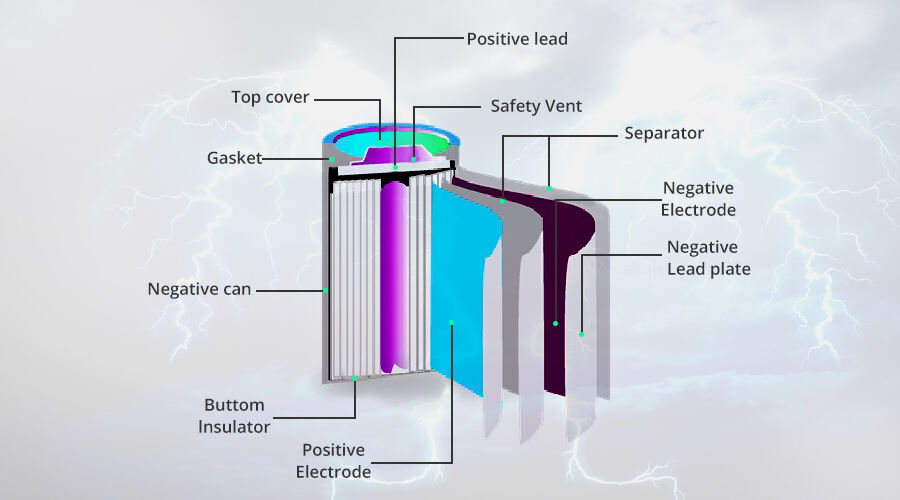
How these batteries are built makes all the difference when it comes to their characteristics. Most lithium-ion batteries come in solid metal or tough plastic cases. While this construction does protect against damage, it also makes the battery heavier, which can really affect how well a drone flies. On the other hand, lithium polymer batteries have those soft pouch designs that weigh much less and fit into different spaces inside drones. Drone builders love this flexibility because it lets them squeeze batteries into tight spots without compromising on power. The lightweight nature actually improves airflow around the drone, which is why so many FPV racers prefer LiPo packs for their machines. Choosing between these battery types isn't just about what looks good on paper either. When things go wrong mid-flight, the right battery construction can mean the difference between a minor crash and total destruction. That's why serious drone operators spend time learning about battery specs before making purchases, especially when flying in harsh conditions where reliability matters most.
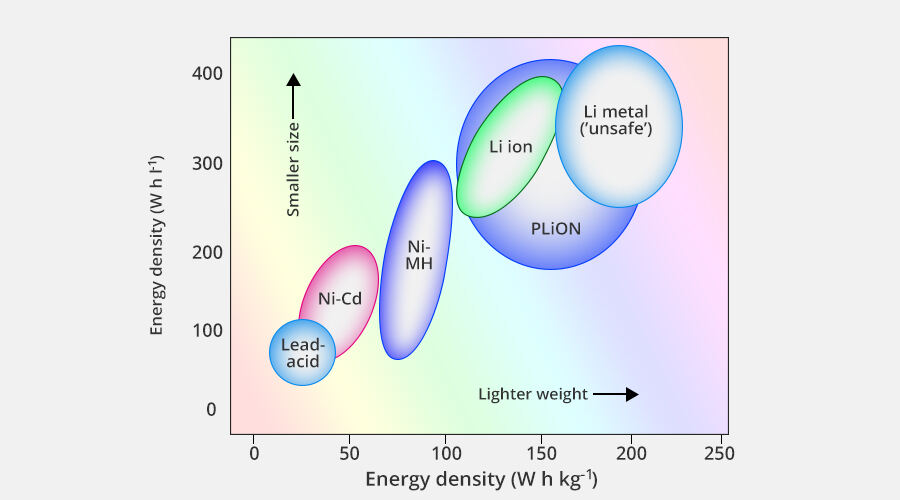
The amount of energy packed into a given space really affects how long drones can stay airborne. Lithium-ion batteries generally pack more punch per unit volume than lithium polymer alternatives, so drones running on Li-Ions tend to fly longer between charges. Some tests show these batteries can give around 40 percent extra flying time, which explains why many professionals prefer them for jobs requiring extended periods in the air like monitoring large areas or capturing detailed photos from above. When looking at what kind of battery works best for particular missions, keeping an eye on energy density helps match power needs with actual flight plans, making operations run smoother overall.
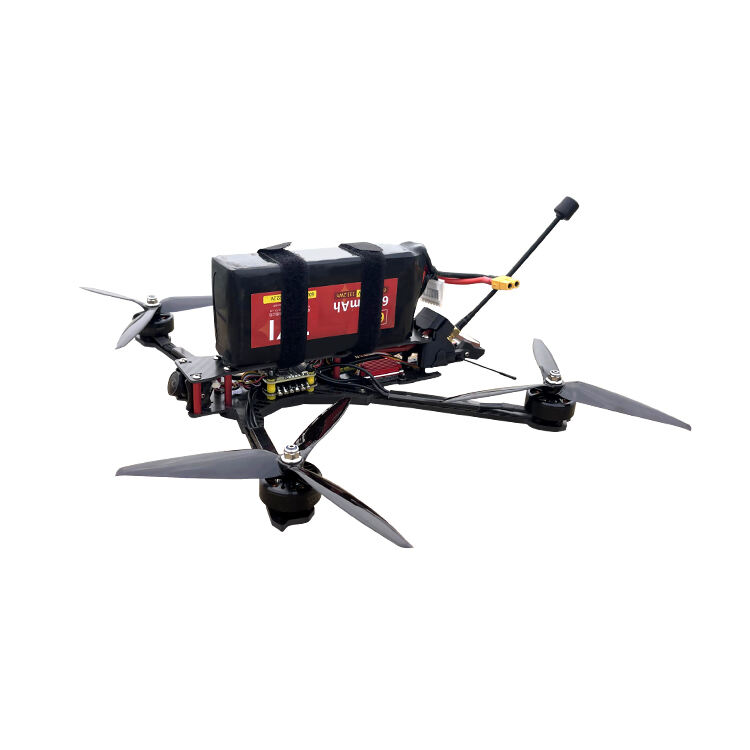
The discharge rate matters a lot when we talk about FPV drone motors. LiPo batteries tend to give out much higher discharge rates, which means they can deliver those power surges needed for quick turns and aggressive flying styles. On the flip side, Li-Ion batteries just don't handle such high discharge rates well, so pilots might find themselves lacking that instant power boost during intense flight moments. For anyone into competitive FPV racing or doing complex aerial tricks, LiPo batteries are basically the way to go since reaction time literally determines who wins or loses. Most experienced flyers will tell you that picking the right battery isn't just about specs on paper it actually changes how the whole drone performs in real world situations.
Flying drones at higher elevations brings battery heat management into sharp focus. Lithium Ion batteries tend to handle temperature swings better than alternatives, which makes them ideal choice for photographers capturing shots in mountain ranges or dealing with harsh weather conditions. Their stable performance means less worry about power drops mid-flight when temps fluctuate dramatically. On the flip side, Lithium Polymer batteries can get temperamental in extreme cold or heat situations. We've seen cases where they start expanding dangerously or even catch fire under stress. For anyone planning flights across varying altitudes and climates, taking time to assess local conditions before picking a battery isn't just smart it's practically mandatory these days given how sensitive modern equipment has become to environmental extremes.
LiPo batteries have a tendency to swell up, something that can really mess with delicate gear such as those fancy camera stabilizers mounted on drones. When this happens, usually because someone left them charging too long or exposed them to heat, it causes all sorts of mechanical issues and throws off flight stability completely. For anyone trying to get professional grade aerial shots, knowing about these dangers matters a lot. Drone pilots who care about their cinematography work need to understand what goes wrong when batteries expand unexpectedly. Picking the right kind of battery helps prevent accidents and keeps everything running without unwanted shakes that ruin good footage. Smart operators always think ahead about how swollen batteries might affect their stabilizers mid-flight, since nobody wants to lose precious shots due to equipment failure.
Knowing what kind of batteries work best for FPV racing versus aerial photography makes a big difference in how well drones perform. Most racers stick with LiPo batteries because they can dish out power fast enough to get those quick bursts of speed needed during races where every second counts. On the other hand, photographers tend to prefer Li-Ion batteries since these last much longer in the air, giving them plenty of time to snap great shots without constantly swapping out packs mid-session. When pilots understand what their particular flying style needs, they end up picking the right battery for the job, which means better results whether they're chasing trophies or trying to catch that perfect sunset shot.
Picking the right battery for regular drone flying means weighing what we pay upfront against how long it will last. Lithium Polymer (LiPo) batteries are cheaper at first glance but they don't hold up as well over time, so most folks end up replacing them pretty often. The alternative? Lithium Ion (Li-Ion) batteries come with a higher price tag right from the start, yet they stick around longer and perform better consistently throughout their lifespan. For someone who flies drones regularly, these might actually save money in the long run despite the initial expense. Drone enthusiasts should really think about how much they fly and what fits into their wallet when deciding between different battery options if they want something that lasts without breaking the bank month after month.
 Hot News
 EN
EN