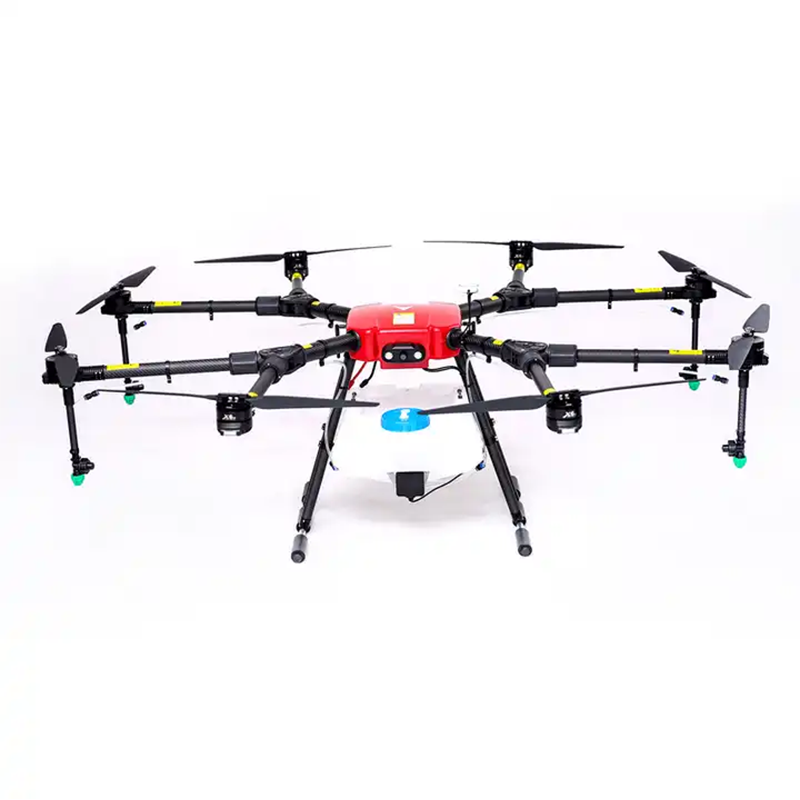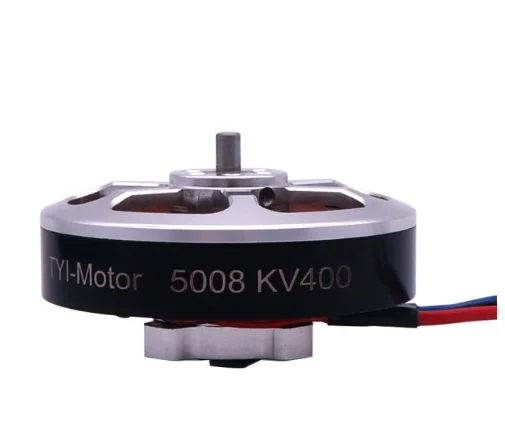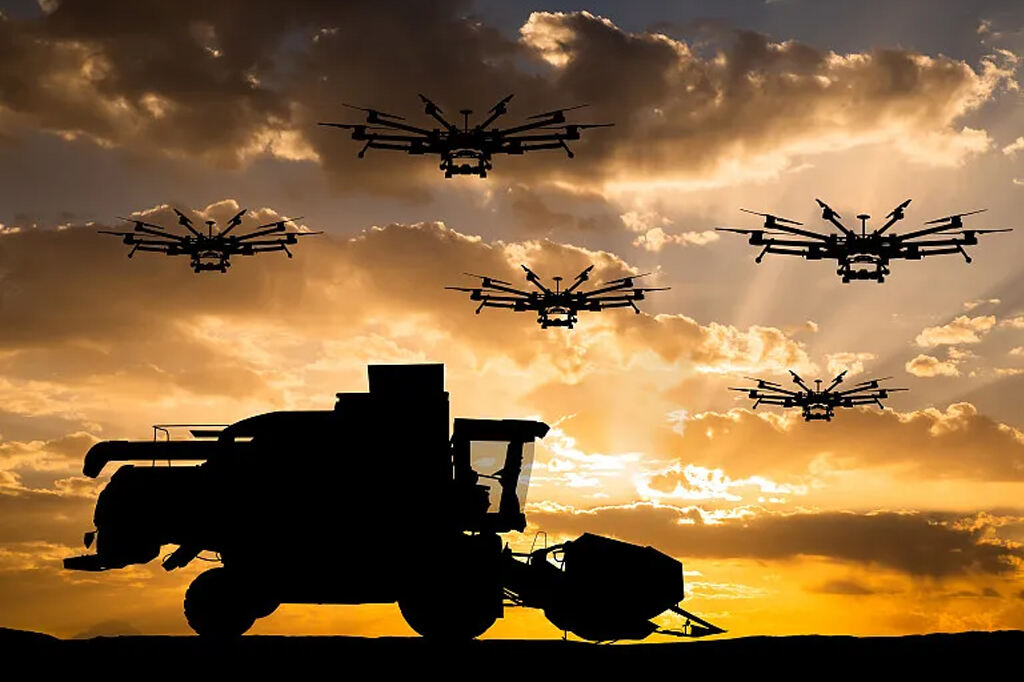
Knowing how much weight an ag drone can actually carry matters a lot when trying to get the most out of its spraying capabilities. The payload capacity basically tells us what maximum weight the machine handles, and this number determines exactly how much liquid solution fits inside for application on crops. Bigger payloads mean farmers don't have to stop as often to refill tanks, so they can cover more ground without interruptions during critical spraying periods. Tank size also plays into how far these machines can go before needing fuel or battery power again, which impacts both time spent working and total area covered per day. Looking at real world data from farming operations shows that most effective results come from drones carrying somewhere between 10 to 15 liters of solution. This sweet spot allows enough product to be applied while still keeping the drone maneuverable enough to navigate through fields efficiently.
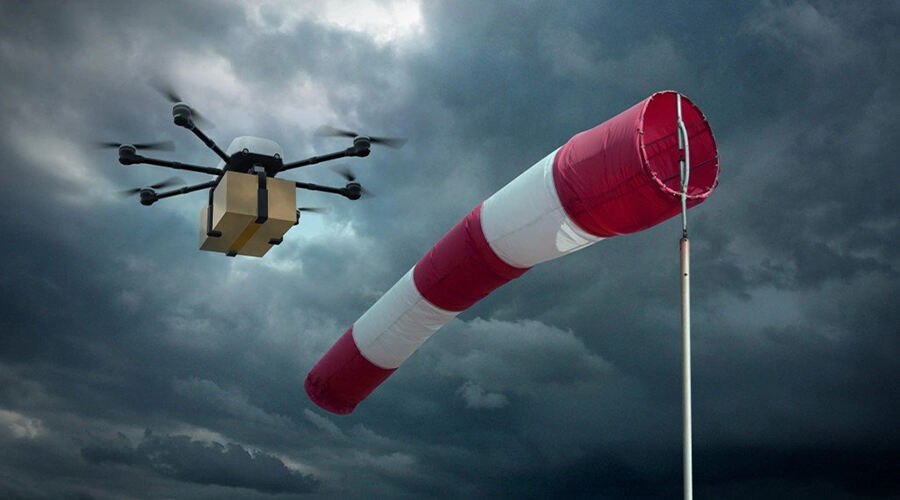
How long a battery lasts plays a big role in determining how long agricultural drones can stay in the air during farming operations, which affects how efficiently they work on crops. The battery basically controls when the drone needs to land for charging, so it limits what area farmers can get covered between charges. Drone makers actually vary quite a bit in terms of battery performance across different models. Take recent improvements in battery tech for example lithium polymer batteries have really boosted flight times lately. Some top models now fly around 30 to maybe even 40 minutes on one charge. Most major companies highlight this feature because longer battery life means drones can handle bigger fields without so many interruptions, making them much more productive overall while cutting down on waiting time between missions.
How nozzles are set up makes all the difference when it comes to getting good spray patterns and even coverage across fields. Farmers need different setups depending on what they're growing since each crop responds differently to chemicals. This matters a lot for how much product gets used and whether pests actually get controlled properly. Take fan spray nozzles for instance these spread out into wider patterns creating that fine mist farmers want for consistent coverage over large areas. Research from agricultural experts shows newer nozzle tech with adjustable settings lets growers tweak droplet size and pattern precisely. This means better results with less waste in managing crop problems throughout the season.
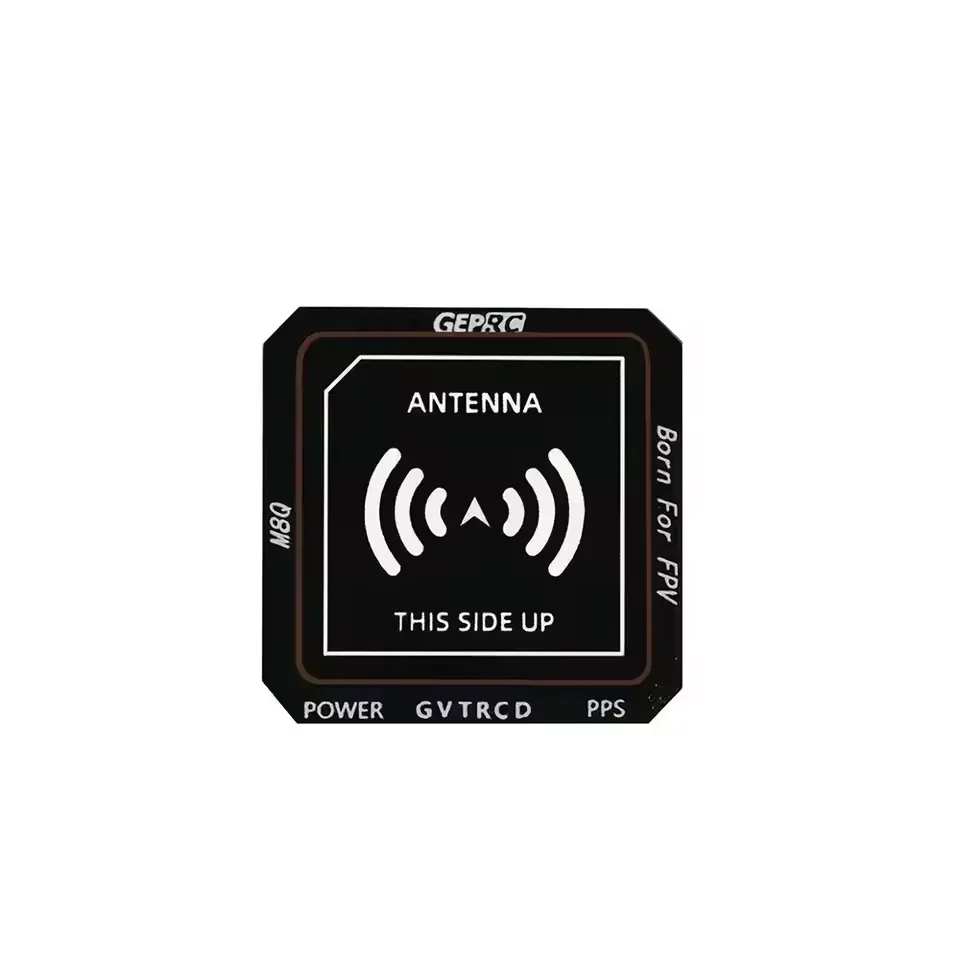
Bringing GPS mapping into agricultural drone operations makes all the difference when it comes to getting a good grasp on field terrain and making sure pesticides get applied properly across the land. With exact coordinates programmed into them, these flying machines can zip around big fields without missing spots, which means farmers don't waste time or resources covering ground they've already treated. Take a look at what's happening on actual working farms these days – many growers who adopted GPS tech for their drones tell stories about better crop health and higher yields simply because everything gets sprayed evenly where it needs to go. The numbers back this up too; according to recent studies, operations that switch to GPS guided spraying systems typically see around a 20 percent boost in how well things run day to day. That's mainly because there's far less wasted product floating around in the air and much better control over exactly where chemicals end up landing.
The obstacle avoidance tech used in drones is really important for stopping accidents while flying around fields, protecting both the machines themselves and the crops they're working on. New sensors now let drones spot things getting in their way much better than before, so they can dodge them almost instantly instead of crashing into stuff. Farmers actually see results from this stuff too. Some folks who've started using it report losing about 30% less gear when something goes wrong out there. Beyond just keeping expensive equipment safe, these improvements mean fewer surprises happening in the middle of farming operations, which makes everyone involved breathe easier knowing their day won't be ruined by an unexpected crash or collision.
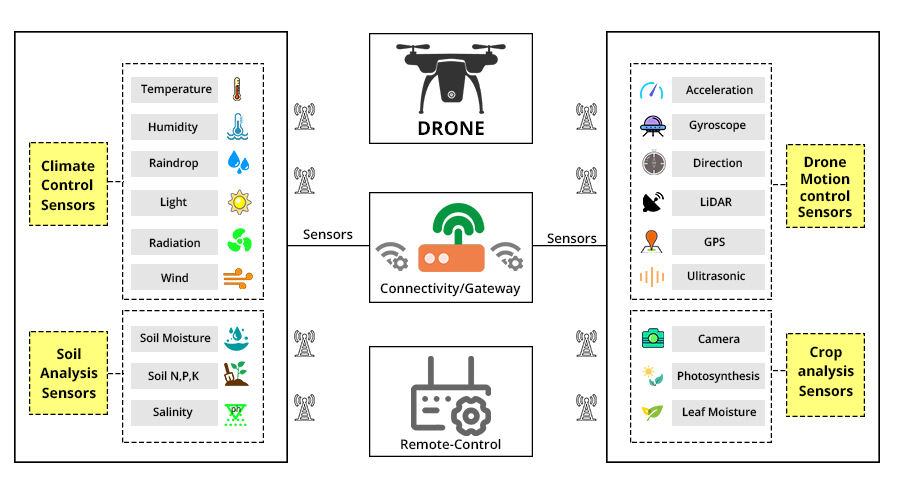
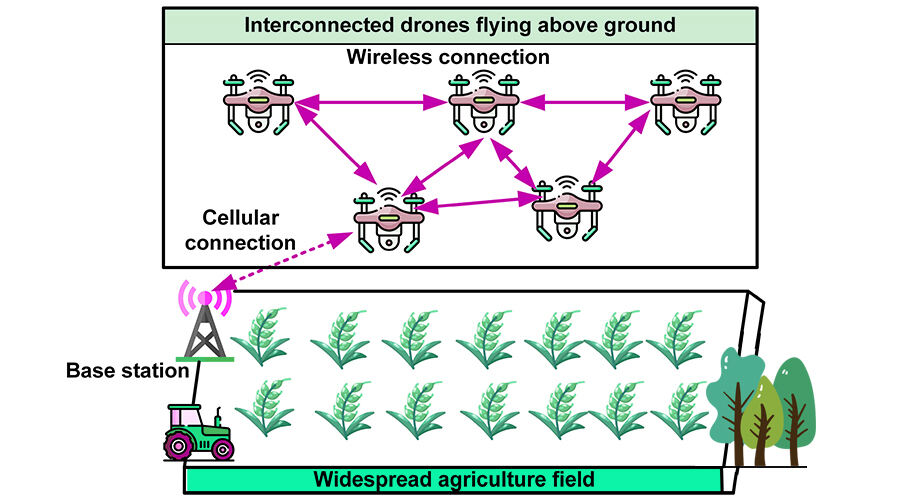
Path optimization algorithms play a big role in figuring out the best possible flight routes for drones, cutting down on wasted space between passes while making sure every inch gets covered properly. What makes these systems really useful is how they let unmanned aircraft change course on the fly based on what's happening around them at any given moment. When weather shifts or obstacles appear suddenly, the drone can reroute itself almost instantly. Farmers who've started using this technology often see lower expenses because they're not wasting materials unnecessarily. Take cornfields as an example many growers report better harvests after switching to optimized spraying patterns since their equipment applies chemicals exactly where they're needed instead of blanket coverage across entire fields. The level of accuracy these smart routing systems bring has definitely made a difference in how effective agricultural drones actually are today compared to older models from just a few years back.
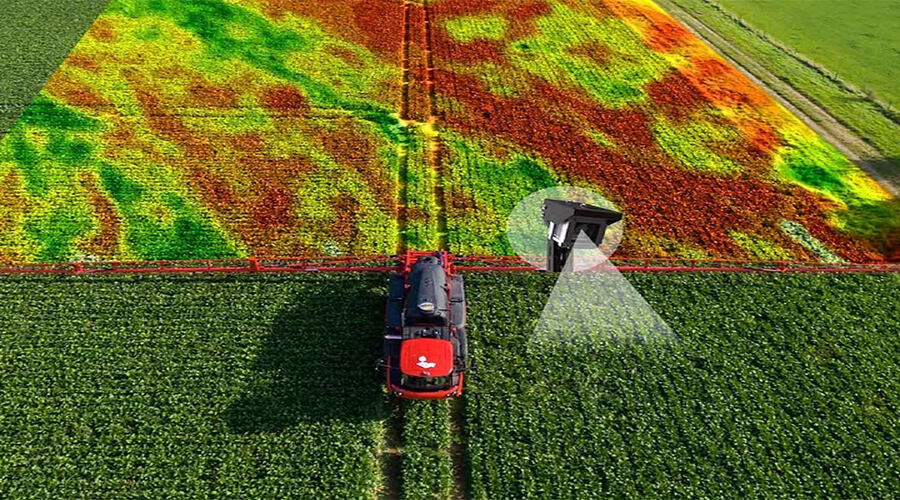
Multispectral imaging is becoming really important for agricultural drones because it helps spot problems with crops before they get too bad. These special cameras can see things outside what our eyes can catch, so farmers notice when plants are thirsty or sick much earlier than before. Take a look at what's happening on farms today - many growers rely on data from their drones to decide what needs attention in their fields. One real world application involves spotting nitrogen shortages in corn crops, which lets farmers act quickly instead of waiting until harvest time. The sensors used in this tech keep getting better all the time, which explains why more and more farmers are turning to multispectral imaging as part of their regular farm management strategy for both analyzing field performance and keeping farming practices environmentally friendly.
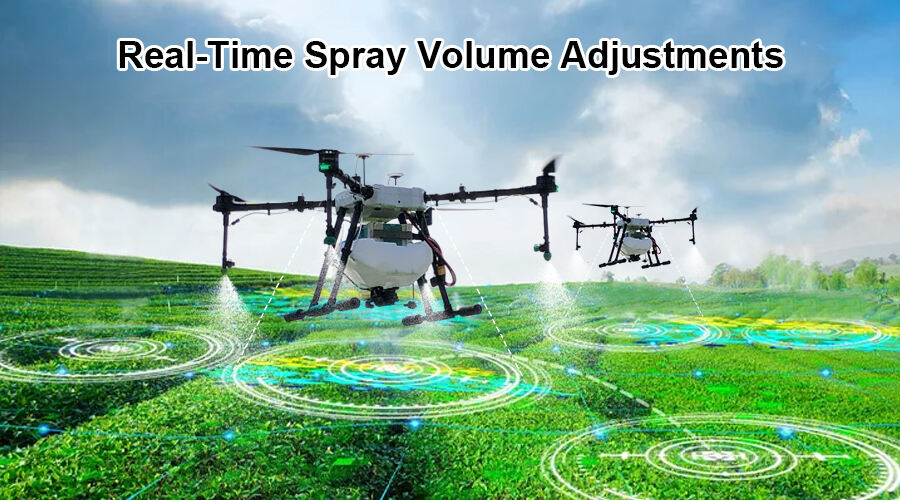
A major breakthrough in drone tech comes from their capacity to tweak spray amounts mid-flight. Farmers can now respond precisely to different parts of fields needing attention, which makes pesticide application much smarter. Research indicates that this kind of smart spraying cuts down on chemicals used by about 20 percent without sacrificing plant health. We've seen farms across the Midwest report better results after adopting these adjustable spray drones. The bottom line? These flying machines aren't just saving money but also helping growers meet sustainability goals in today's agriculture landscape.
Getting accurate spray distribution when conditions change is really important for aerial applications, especially when dealing with unpredictable weather patterns. The technology behind wind compensation actually works by using onboard sensors combined with smart algorithms that constantly tweak where the drone flies, so it can still deliver chemicals properly even on breezy days. Studies have shown that farms using these systems experience fewer problems with chemicals drifting off target areas, which makes operations both safer and more efficient overall. Take the DJI Agras line as a good example they've built their reputation around incorporating sophisticated wind compensation tech right into their design. Farmers who invest in drones with these capabilities often find themselves getting better results from their pesticide and fertilizer applications, which explains why such features continue to gain popularity across the agricultural industry.
For those running small to mid-sized farms, the TYI 4 Axis 10L Agricultural Drone stands out as a solid option thanks to how well it handles precise spraying tasks. Its smaller size means it can actually maneuver through narrow areas between rows and hit targets exactly where needed, which cuts down on wasted chemicals during applications. Many growers really value this kind of accuracy, particularly when dealing with uneven ground or tricky spots in their fields that just don't respond well to traditional methods of coverage.
What makes the 4-axis 16L Agricultural Drone really shine is that big tank it carries around. With 16 liters on board, farmers don't have to stop every few minutes to refill, so they can cover way more ground without breaking stride. Most folks working in agriculture report that this drone saves them hours during busy seasons when time matters most. Some growers even mention being able to finish entire fields in half the time compared to older models, which means getting crops treated faster before problems get worse.
Agriculturalists are finding the 6-axis 10L drone quite stable when flying across different kinds of terrain. The design with six axes gives it extra balance and keeps things steady, something that really matters for accurate spraying when bad weather hits. Many farmers say they get good results even when there's wind blowing around, which shows how well this machine works without losing track of where it needs to spray. Some folks who've used these drones report that they handle tough conditions pretty well, making them reliable tools for modern farming operations.
The K3A Pro 16L Sprayer Drone features a clever design specifically built for precise agricultural spraying jobs across farms and fields. The drone's smart payload system spreads out fertilizers and pesticides evenly over crops, which means farmers get better harvests while wasting less product. Field tests show these drones can cover more ground faster than traditional methods, with some growers reporting up to 30% better results from their crops after switching to this technology. For commercial farming operations looking to boost output without breaking the bank on chemicals, this sprayer represents a serious upgrade in both efficiency and cost effectiveness.
The 6-Axis 16L Plant Protection Drone works really well alongside existing smart farming gear, making it a solid choice for farms looking to upgrade their operations. When connected to these systems, the drone can spray fertilizers exactly where needed while sending back live updates on field conditions. Farmers tell us they're seeing anywhere from 15% to 30% better yields after switching to this system. What's interesting is how quickly growers adapt to working with the data streams - some even start adjusting irrigation schedules based on what the drone reports. This kind of hands-on feedback loop is changing how people approach crop management across the industry.
Keeping track of weather is really important when it comes to getting consistent sprays from those agricultural drones out there. The truth is, how well pesticides work depends a lot on what's going on outside. That's why many smart growers now invest in good weather monitoring tech. These systems give pretty accurate predictions about rain, wind speed, and temperature changes. When farmers know what kind of day they're facing, they can plan when to spray their fields so everything sticks properly without being washed away or blown off course. Research published in Agronomy Journal suggests that timing applications right based on weather actually makes a big difference for crops. Not only does this method cut down on wasted chemicals, but it also means plants get protected just when they need it most. Regular weather checks help farm operations run smoother while making sure every drop counts toward better yields at harvest time.
Getting the timing right when applying pesticides makes a big difference in how well they work and how much gets lost to evaporation. Most growers recommend spraying either late afternoon or first thing in the morning because these times usually have cooler temps and less wind blowing around. That means less chemical drifting away and better uptake into plant leaves according to what green farming guides suggest. Farmers who follow this advice find their sprays stick better to crops without getting washed off so easily. When weather patterns dictate when to apply chemicals, farmers save money on wasted product while still protecting their fields effectively. This approach helps preserve resources over time something all modern farms need to consider for long term viability.
Good maintenance keeps agricultural drones running efficiently for years instead of breaking down when least expected, especially across different kinds of farmland. Farmers need to check their machines often, clean them properly after each flight, and fix any damaged parts right away, particularly looking at propellers and engine components. Most experts recommend adjusting how often these checks happen depending on how much the drone gets used and what kind of dirt or dust it's exposed to. A farmer working in sandy regions will probably need to inspect their equipment more frequently than someone operating in cleaner areas. Don't forget about updating the onboard software too – keeping it current really makes a difference in how well everything works together. Sticking with a solid maintenance routine means longer lasting drones, fewer interruptions during critical farming periods, and ultimately better results from all that hard work out in the fields.
 Hot News
 EN
EN