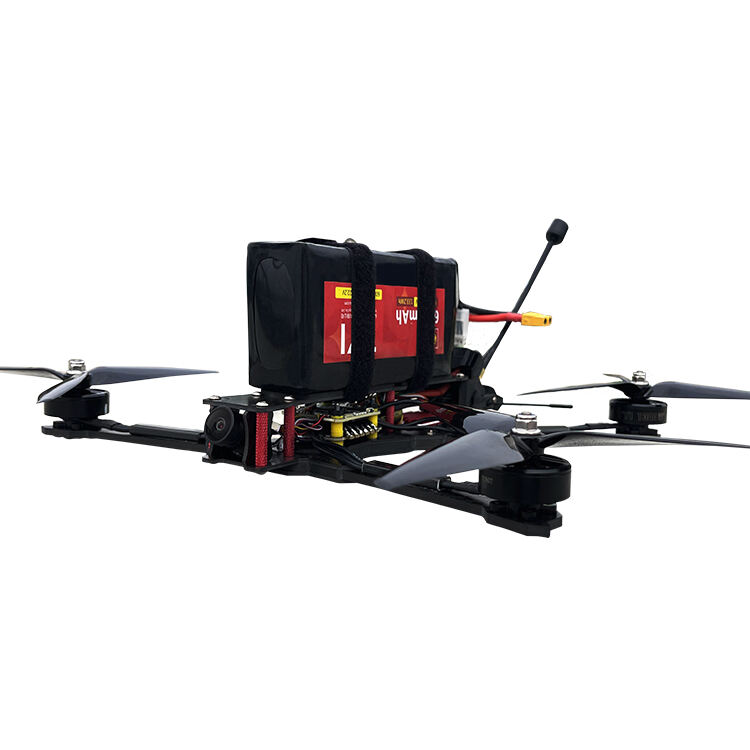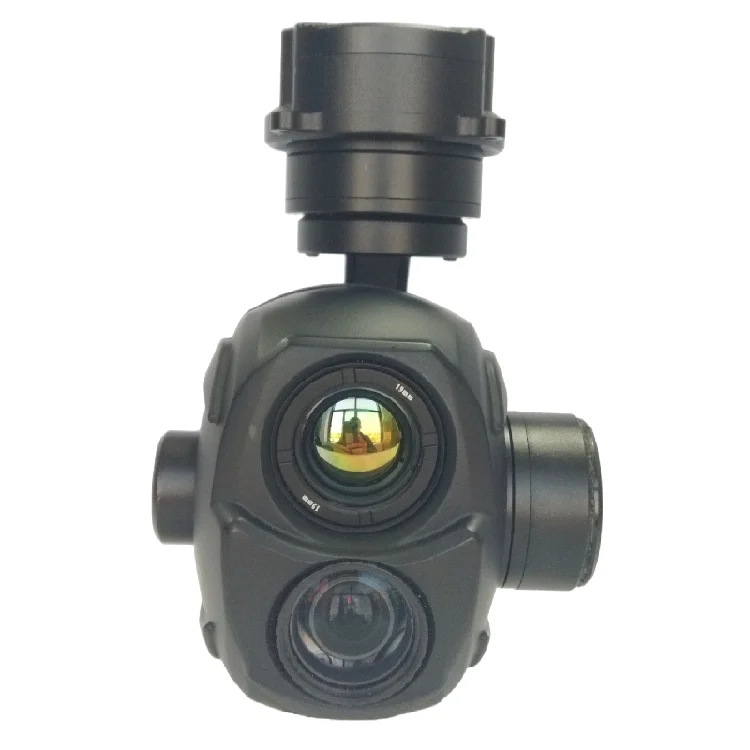
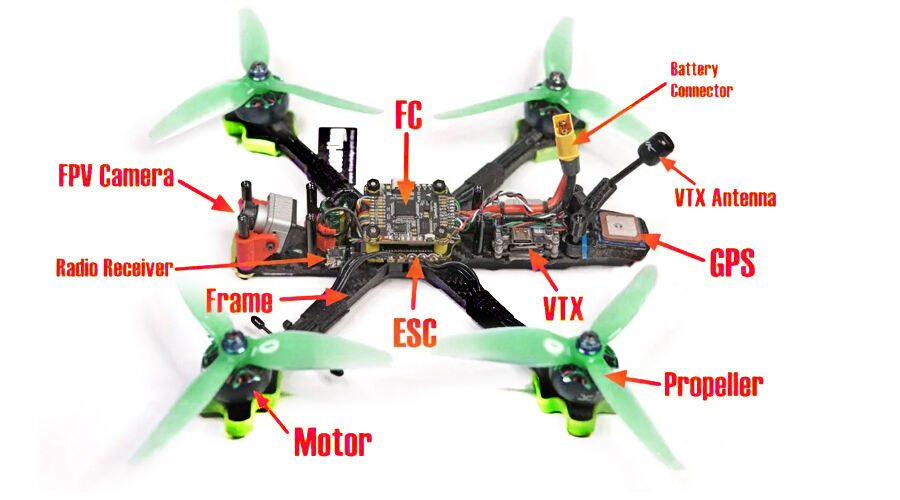
Want to get serious about FPV racing? First things first - know what makes these little machines tick. Let's start with the basics: every FPV racing drone has four main parts working together. There's the flight controller, basically the brains behind the operation. It takes all that input from the pilot's controls and various sensors around the drone to keep things flying straight rather than spiraling into oblivion. Then we have those motors that actually move the thing through the air. Better quality motors mean faster speeds and tighter turns when needed most during races. The ESCs handle power distribution to those motors so nothing gets overloaded or burns out mid-flight. And finally there's the camera system which streams live video back to the pilot's goggles, giving them that immersive first person perspective everyone talks about when describing FPV racing experiences.
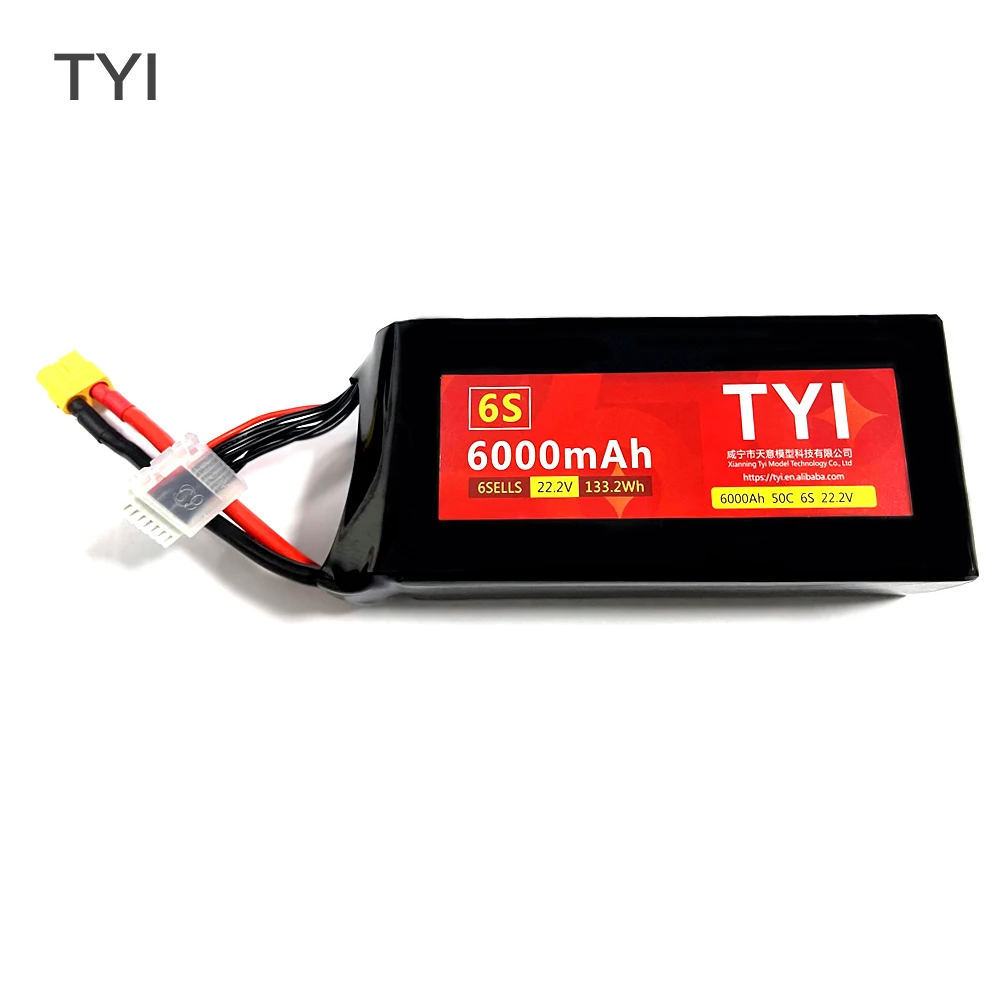
How weight is distributed across a drone makes a real difference to how fast it goes and how well it handles corners. When everything sits just right inside the frame, these little machines pick up speed quicker and slice through tight turns without losing control - something every drone racer knows matters a lot during competition runs. Battery selection also plays a big role here. Most serious flyers go for lithium polymer packs because they pack so much power into small packages while still lasting longer between charges than other options available on the market today.
New pilots picking between analog and digital FPV setups need to think about how good the video looks, how fast it responds, and how far it can reach. The old school analog stuff has this edge when it comes to lag time, so planes feel more responsive during races. But what people often forget is that the picture quality just isn't great at all. Digital options on the other hand give much better looking footage these days. While not as snappy as some might hope, modern digital systems still cut down on wait time enough to make flying enjoyable again. Plus those crisp images and rich colors really bring everything into focus for anyone watching along.
When choosing between options, operational differences really matter for folks just starting out. The analog stuff tends to be much simpler to get going since there's not so much tech involved, which makes it pretty approachable for beginners who aren't familiar with all the bells and whistles. Digital systems need people to wrap their heads around some complicated setup stuff, but they come packed with extra features and customization possibilities. Looking at what users actually say online, most folks seem drawn to digital because of how visually impressive it looks and feels when using it. Still, many competitive players stick with analog equipment because those systems have better response times, something that can make all the difference during intense matches where every millisecond counts.
In summary, choosing the right system depends on personal needs, intended use, and willingness to invest in learning and equipment. For casual flying and video capture, digital systems excel, whereas racing enthusiasts might benefit more from the speed of analog systems.
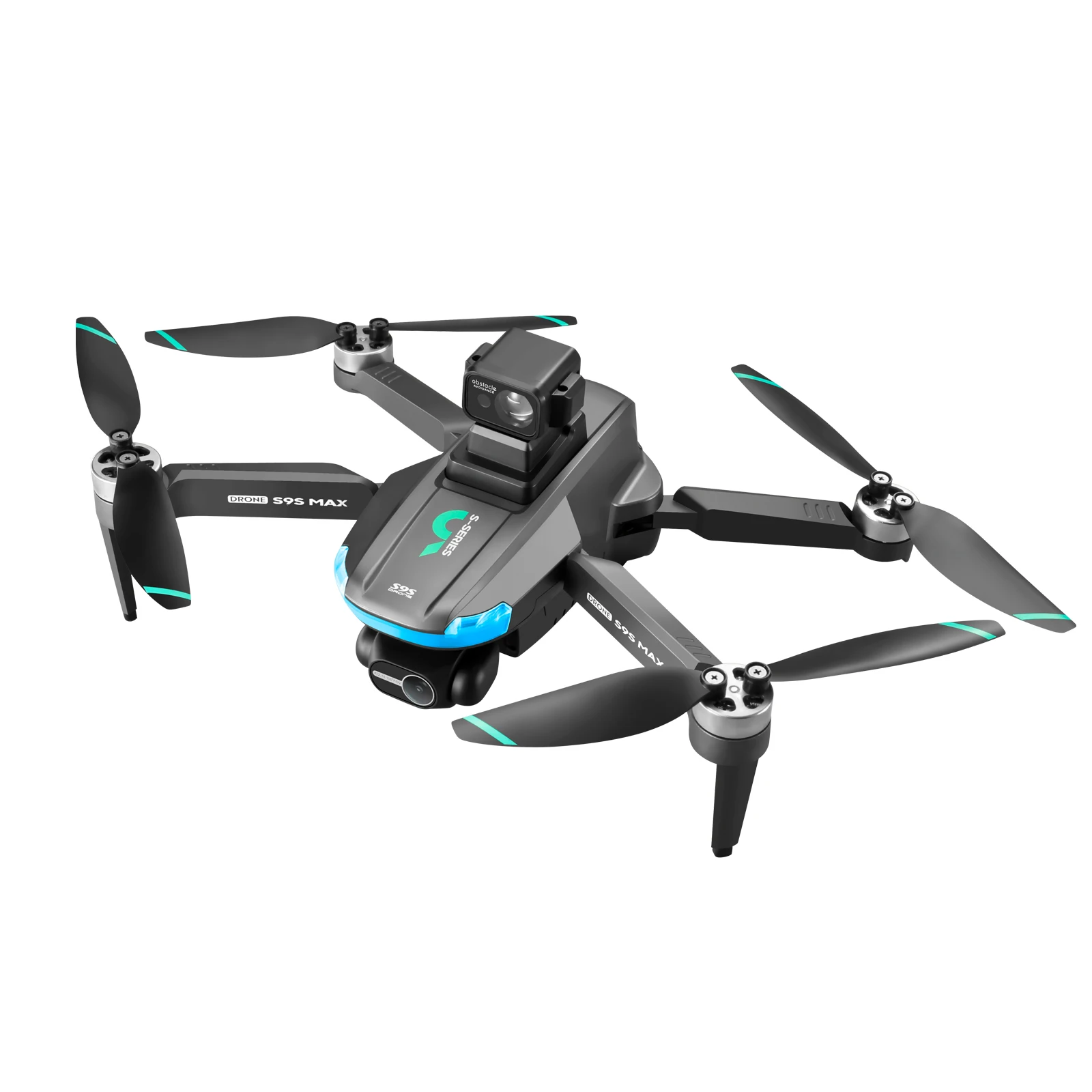
Setting up an FPV drone for the first time means deciding whether to build from scratch or go with something already assembled. Building your own gives plenty of room for customization since every part can be selected based on what works best for particular needs, plus it tends to save money in many cases. Some folks have even managed to put together decent drones for around $99 just by shopping for components separately and putting them all together themselves. Buying ready made models makes life easier though, particularly when someone doesn't know much about electronics or soldering. No need to spend hours figuring out how everything connects; just unpack and start flying right away. People usually pick one option over another depending on if they want to learn all there is about drones or simply want to get into the air quickly. According to recent surveys, roughly 60 percent of newcomers choose pre built options because they're straightforward, while others relish the challenge involved in constructing their own flying machines from the ground up.

Getting into FPV racing means thinking about money matters upfront. The price tag varies quite a bit depending on what someone wants. Basic stuff might start at around $100 but serious racers spend closer to $1000 when they get everything needed including motors, frames, and those FPV cameras. A good budget plan makes all the difference because it stops people from buying unnecessary fancy bits just because they look cool. Newbies looking to cut costs often find great deals on secondhand equipment or wait until stores have sales events. Most folks end up spending somewhere between $200 and $500 for their first real setup. Cheaping out on important parts usually backfires later though, since cheap components break faster and need replacing sooner. Focus on getting decent motors and a reliable flight controller first. These are the heart of any drone, and investing there pays off with better flights and fewer headaches down the road.
For newcomers getting into FPV drones, the iFlight Chimera7 Pro V2 really shines because it can take quite a beating while still flying far enough to satisfy most hobbyists. What makes this model special is its sturdy build that cuts down on annoying vibrations during flight, plus those XING2 2809 motors give it serious power without feeling too twitchy or rough. The DJI O3 HD Air Unit throws in impressive range too, pushing video signals over about 10 kilometers so pilots can see what's happening clearly even when conditions get tough. Many folks who know their stuff point out how good the 4K footage looks from this drone, especially with that wide angle lens capturing everything around the aircraft. Great option if picture quality matters more than anything else.
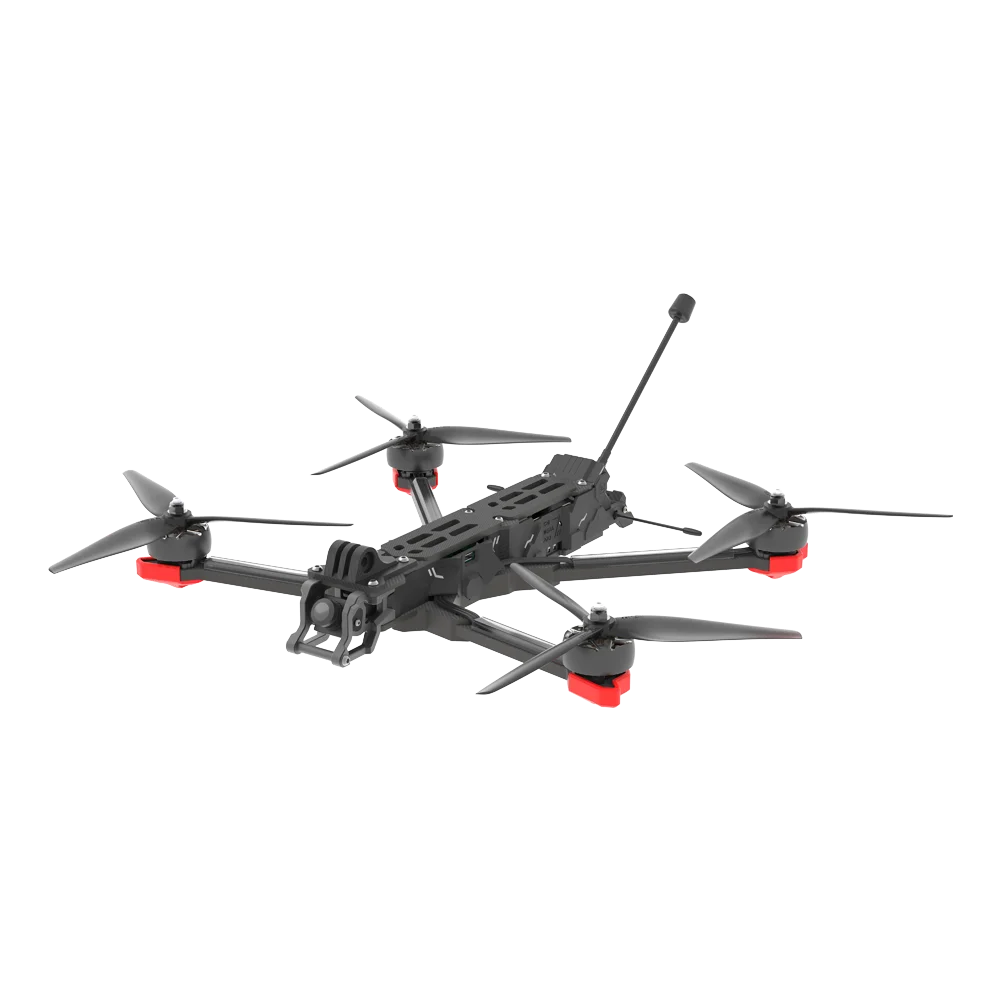
The Chimera7 Pro V2 comes with an intuitive design that makes it simple to use right out of the box. Pre installed GPS helps pilots find their way back when things get a bit too adventurous mid flight. What really stands out though is how easy it is to swap parts or upgrade components thanks to its modular build. This means the drone can grow along with someone's skills over time rather than becoming obsolete after a few months. Looking at recent sales figures, this model seems to be catching on fast with new flyers who want something dependable without sacrificing performance for simplicity.
F4 and F7 flight controllers stand out for their modular design, which makes them great options for newcomers wanting to get hands-on with FPV drone technology. What these boards really bring to the table is that flexibility factor everyone loves when building their own rig. Users can tweak almost every aspect of their setup based on what they need right now or want to try next. The modularity means different parts just slot together nicely, so compatibility isn't a headache. Plus, as skills develop over time, upgrading becomes straightforward without having to replace everything from scratch all at once.
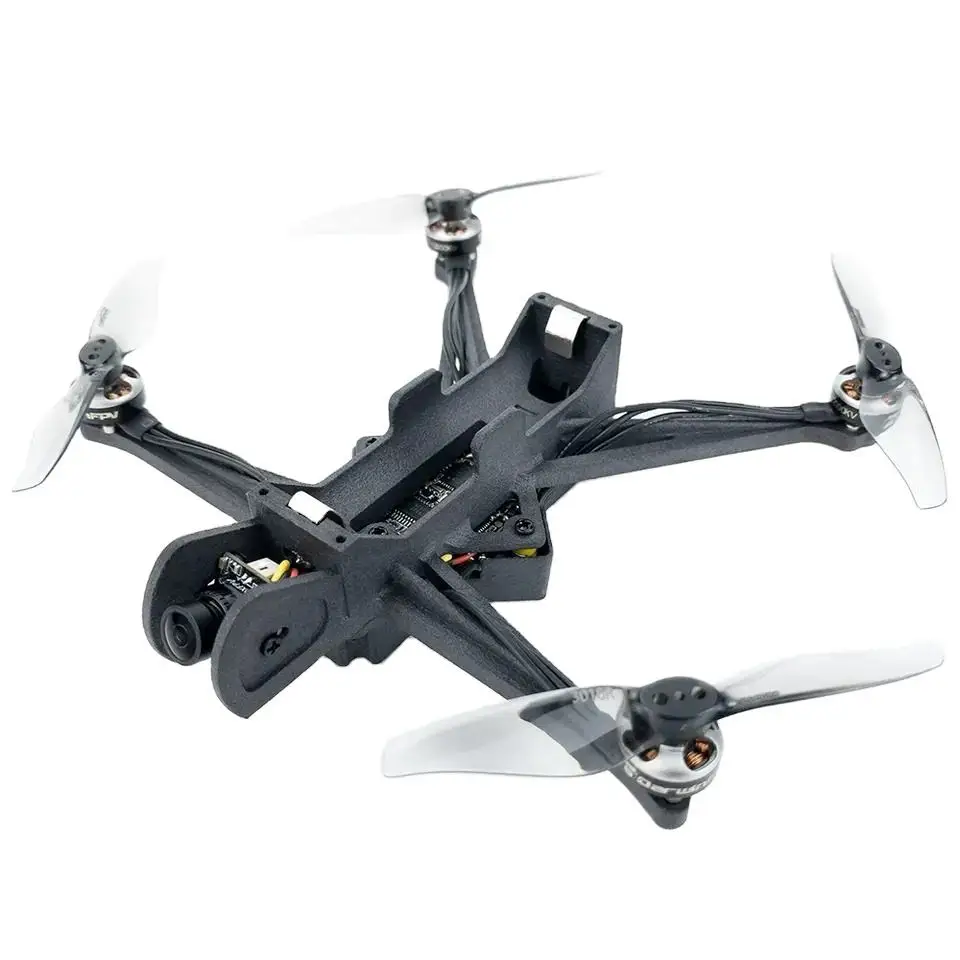
Pilots love F4 and F7 flight controllers because they really boost how precise and responsive the controls feel mid-air. These chips power most FPV drones on the market today since they just work so reliably over time. A lot of folks who know drones inside out will point to these controllers when asked what hardware matters most. Newcomers who pick up an F4 or F7 board get a solid foundation for moving onto trickier maneuvers later on. Plus, the flying feels much better from day one compared to cheaper alternatives, which makes learning the ropes a lot less frustrating overall.
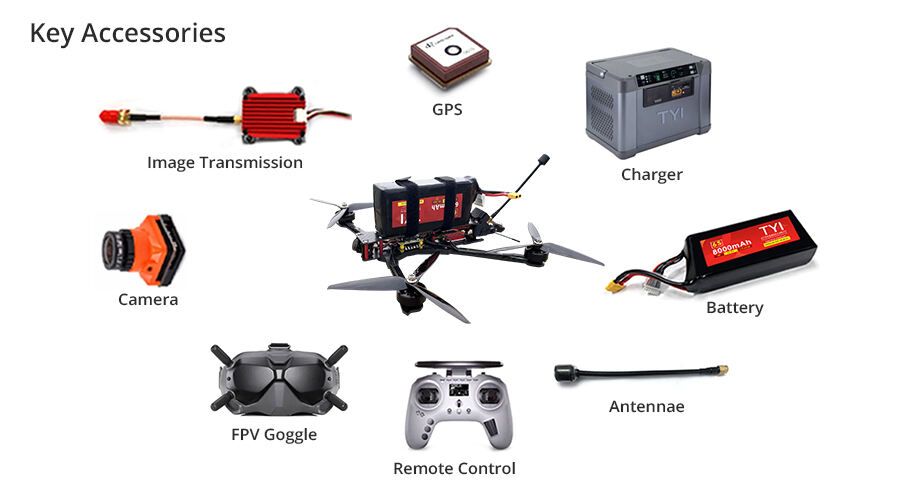
Success in FPV racing depends heavily on having the right gear at hand. The basics start with good quality FPV goggles that let pilots see exactly what their drones see while flying. These goggles make all the difference when navigating tight spaces or making quick turns. Then there are batteries and chargers that keep flights going longer than just a few minutes. Most racers know how frustrating it gets when a battery dies mid-race. Tools for fixing minor issues on site are also important since breakdowns happen even to experienced pilots. Real-world experience shows that top performers invest in durable goggles and batteries that last through multiple heats. Many racers will tell stories about how poor visibility or short battery life cost them valuable positions in competitions. Every component matters when milliseconds count in competitive racing environments.
Just starting out in FPV racing? Newbies often run into trouble spots like bad drone setup and ignoring basic safety stuff. Getting the calibration right on those little machines matters a lot if they want to actually control what's happening mid flight. And let's face it, knowing when and where to fly safely isn't just good practice it's pretty much mandatory nowadays. Want to avoid blowing through gear fast? Find some local groups or hook up with someone who knows what they're doing. These folks can point out all sorts of things most manuals never mention. Research indicates that racers connected to active communities generally learn faster and crash less often than solo operators. Makes sense really anyone diving into this high speed hobby needs all the help they can get from others who've been there before.
 Hot News
 EN
EN