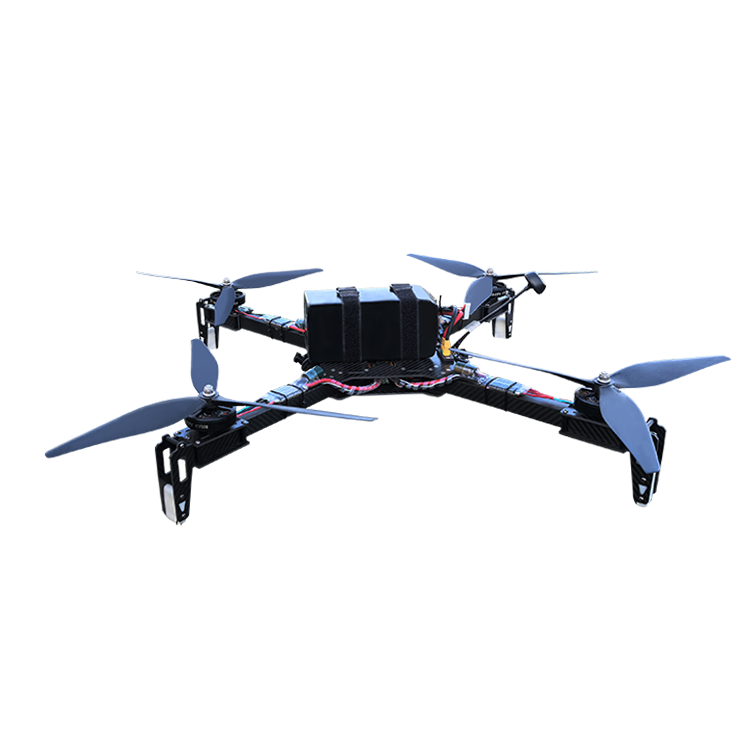
Knowing about payload capacity in sprayer drones matters a lot when trying to keep things stable and get good results from the work. Basically, payload capacity means how heavy something can be before the drone starts struggling to stay airborne during flight operations. This becomes really important in agriculture where efficiency counts. What farmers look at closely is called the thrust-to-weight ratio. Think of it as measuring whether the drone has enough power relative to what it needs to carry aloft. When this ratio is high, the drone can handle bigger loads of liquid stuff needed for spraying without losing control mid-air. Most agricultural models designed for fertilizer or pesticide application usually hold between 10kg and 30kg worth of cargo. That range works well for farms of moderate size up through larger operations. Getting this right helps maintain maneuverability so the machines don't become sluggish or inefficient once they're out there doing their job across fields.
Agricultural drones don't fly as long when carrying heavy spraying loads like liquid fertilizers and pesticides on board. When these payloads get heavier, the drone needs more power just to stay stable in the air, which naturally cuts down how long it can actually operate before needing a recharge. The batteries drain faster too since the motors have to work overtime keeping the craft aloft against gravity. Some field tests show that simply adding extra weight can shorten flight times by around 30 percent or so. Farmers who want to make the most out of their drone operations should really pay attention to how much stuff they're loading onto those little machines. Balancing what gets carried versus battery capacity makes all the difference between getting the job done quickly or wasting precious time waiting for recharges between passes.
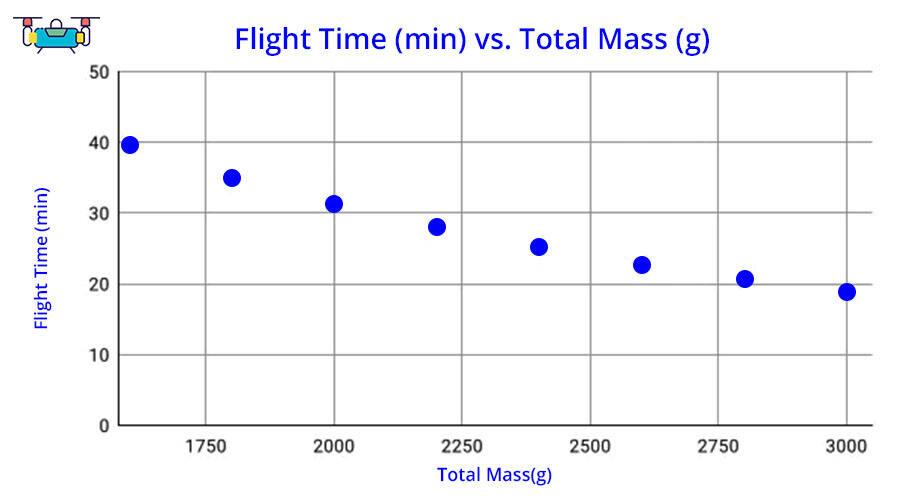
The balancing act between tank capacity for liquid payloads and battery performance remains a key challenge in agricultural drone design. Bigger tanks mean carrying more pesticides or fertilizers, so farmers can treat bigger fields before needing to stop and refill. However, those extra liters come at a cost - increased weight means batteries deplete faster, cutting down on operational time. Smart companies have tackled this issue in creative ways. Some models now feature modular systems where operators can swap out heavy tanks for lighter ones depending on mission requirements, while keeping battery packs optimized for the load. Industry experts frequently cite case studies showing how certain farms manage to strike the right balance between coverage area and energy consumption. These practical approaches help keep drones airborne longer and ensure crops get properly treated without unnecessary downtime.
How well agricultural drones work really depends on the balance between battery power and what they carry. When a drone has to haul heavier stuff, it burns through energy faster and ends up flying for shorter periods. Most folks in the business agree that getting the right mix between battery tech improvements and what needs to be carried is key to keeping operations running smoothly without constant stops for charging. From what we've seen out in the fields, drones equipped with either 6S or 12S battery systems perform differently depending on their load. Take the mPower 12S 21000mAh batteries for example these packs give drones much needed staying power when loaded down with all sorts of farming gear, making them far more productive across large areas of land.
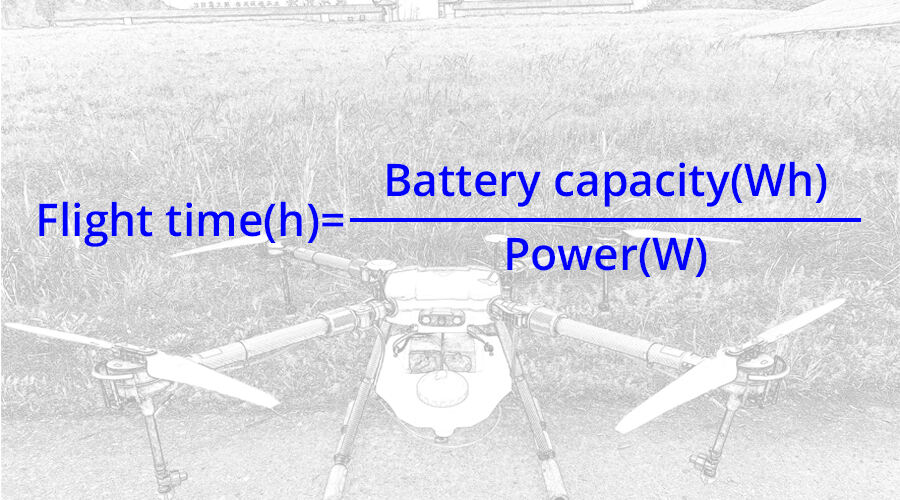
The way sprayer drones are designed aerodynamically makes all the difference when it comes to how well they move around and stay stable while spraying crops. Wing shapes matter a lot, as does what kind of material goes into building the frame. Aerodynamics research shows that drones built with sleek frames and properly shaped wings face much less drag from the air, which means they use less power overall and can fly for longer periods. Industry insiders point out that switching to carbon fiber parts cuts down on weight without sacrificing strength. Farmers working in fields know this matters because their equipment needs to cope with bumpy terrain and sudden changes in wind conditions across open farmland. While these design improvements help, there's still room for better performance in really rough weather situations.
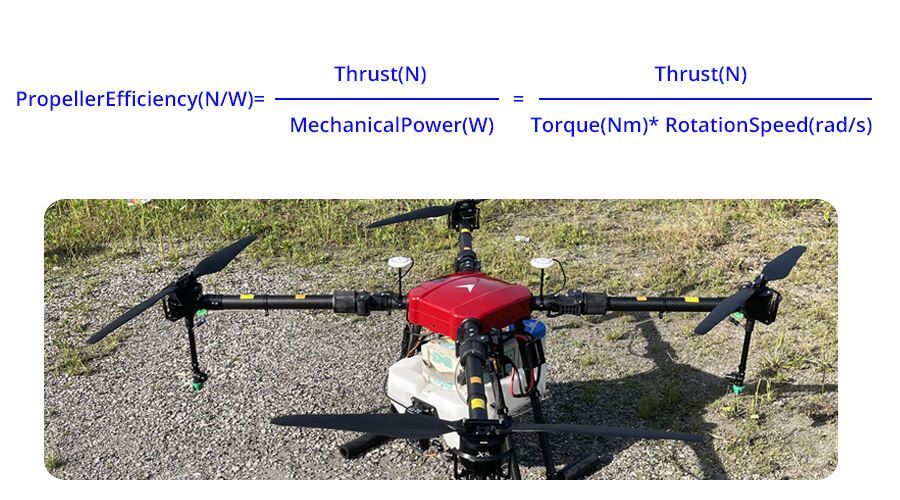
When talking about multi-axis drones, we're basically looking at flying machines with several rotors that help them stay steady and maneuver better while working on farms. These designs really boost how well they work because pilots can control them much more accurately, something that matters a lot when applying pesticides or fertilizers precisely. Some numbers suggest these multi-rotor drones perform better overall. They carry heavier loads and fly longer than their single-axis cousins. But there's a catch too. Maintaining these complex systems takes more effort. Repairs aren't always straightforward and regular calibration becomes necessary. Despite this extra work, farmers find the increased agility and pinpoint accuracy during crop treatments worth the hassle, especially when dealing with large fields where time and resources count.
Getting the weight right matters a lot when it comes to keeping agricultural drones balanced while they're in the air. Farmers have started using adjustable compartments for payloads which helps keep everything centered properly so the drone doesn't wobble around too much mid-flight. Some newer models come equipped with sensors that constantly check what's going on with the load distribution. These sensors let the drone make adjustments on its own as needed, which makes flying smoother overall. We saw this work well in practice recently where one farm reported longer flight times and covered more ground because their drones weren't fighting against poor weight distribution anymore. Beyond just making things fly better, these smart systems actually help extend how long equipment lasts before needing repairs or replacement parts.
Putting flight path algorithms into practice represents one of the key ways farmers are making their drone operations both more efficient with energy and better at covering fields. When drones follow optimized routes instead of random patterns, they avoid wasting power on extra loops and turns. Smart systems take this a step further by factoring in things like wind direction, temperature changes, and even obstacles in real time to tweak flight paths on the go. Research from last year showed farms using these smart routing techniques saw around 30% less battery drain during spraying runs. For growers dealing with tight margins and increasing pressure to cut carbon footprints, this kind of efficiency matters a lot. Modern agricultural drones now spray chemicals more precisely while burning less fuel, which helps both the bottom line and the environment at the same time something farm managers simply cannot ignore anymore.
Keeping batteries in good shape is absolutely necessary if farmers want their drones to last through multiple seasons. Good battery care means managing how often they get charged and discharged. Most folks recommend keeping them around 40-60% charged when not in use instead of letting them drain completely. Temperature control matters too. Nobody wants their expensive equipment sitting in direct sunlight all day or freezing overnight in a barn. Regular inspections catch problems before they become big headaches. Some growers report getting twice as much life out of their batteries when they follow basic maintenance routines. For cash-strapped farms dealing with tight budgets, this kind of attention makes all the difference between replacing batteries every year or stretching them across several growing seasons.
Weighing just under 5kg, the 4-Axis 10L drone is built light enough to handle but still packs serious punch when it comes to getting around fields. Farmers on smaller properties love how easy it is to steer through tight spots between rows or around equipment without crashing into anything. The drone works with most common spray nozzles and attachment kits, so whether someone grows vegetables, fruit trees, or row crops, they can adjust the setup accordingly. Real world testing shows operators appreciate being able to navigate around irrigation lines and between buildings without losing control. Many report completing spraying jobs in half the time compared to traditional methods, which makes a big difference during busy seasons.
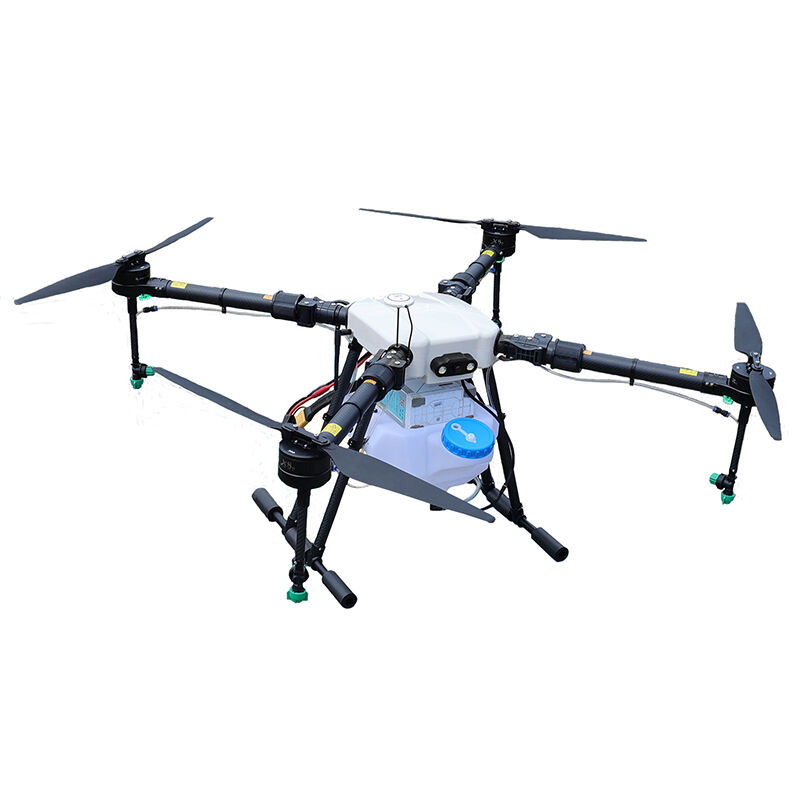
The 6-Axis 16L model works great for farms of moderate size, striking just the right mix between how much weight it can carry and staying stable during operation. Farmers who've tested this equipment report good results when working in tough terrain or rough fields. They point to the way the machine handles itself as something special, thanks largely to improvements in how weight gets distributed across the frame. What really stands out is how well it keeps going without wobbling around, which matters a lot when applying pesticides or fertilizers. Even when there's wind blowing or sudden rain starts falling, most operators find they can still get decent coverage without having to constantly adjust their position.
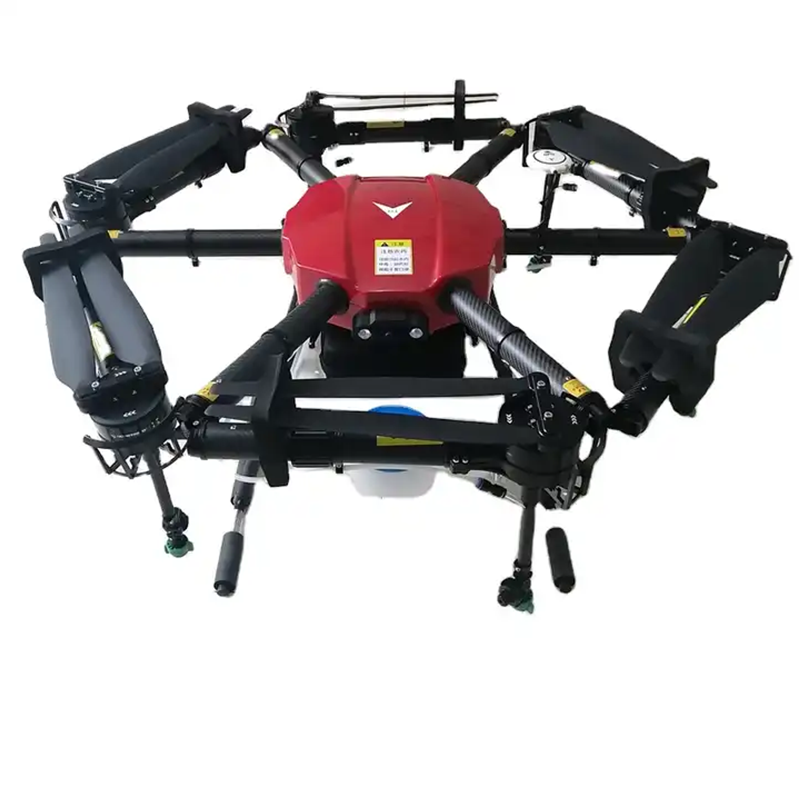
Farmers running big operations will find the 6-Axis 30L Heavy Lifter drone to be a game changer thanks to that massive 30 liter tank capacity. What makes this particular model stand out? It's surprisingly easy to handle despite its size, plus it comes packed with smart payload tech that lets it carry and spread chemicals across vast areas much faster than traditional methods. The numbers speak for themselves too many growers report cutting down on equipment costs since they no longer need fleets of smaller drones just to cover their land. For those dealing with thousands of acres day after day, this heavy lifter isn't just convenient it's becoming essential for keeping up with modern farming demands.
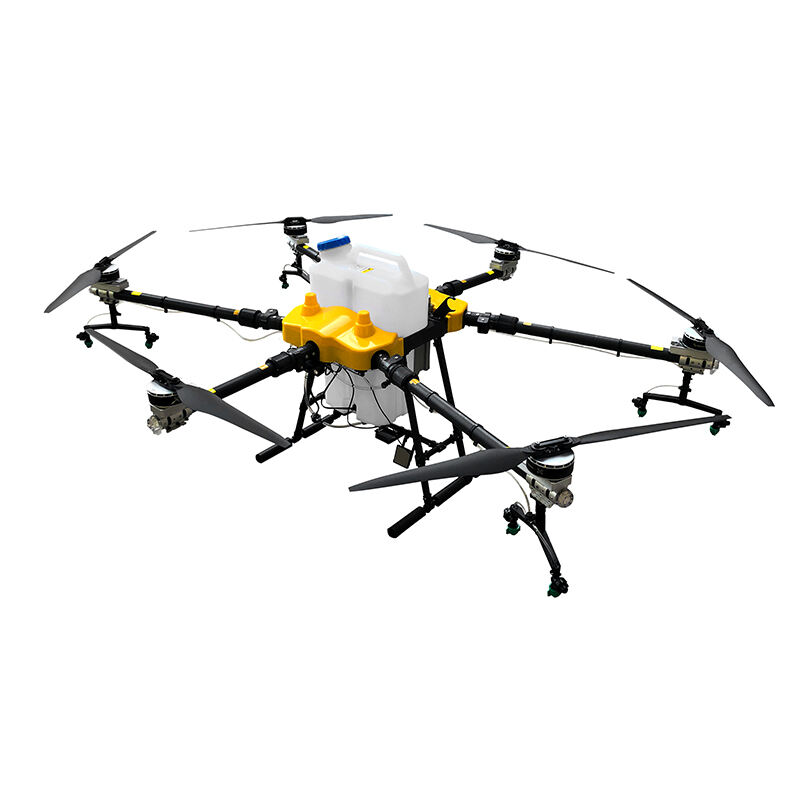
The 8-Axis 16L drone was built specifically for precise spraying across all kinds of fields and landscapes. Farmers who've tested it report how flexible it is during operation, making adjustments mid-flight when needed so they get good coverage even over rough ground or around obstacles. What makes this drone stand out is the control system that lets operators manage spray patterns effectively. This means better coverage of crops and less wasted product, something that matters a lot when dealing with hills and valleys where traditional equipment might struggle.
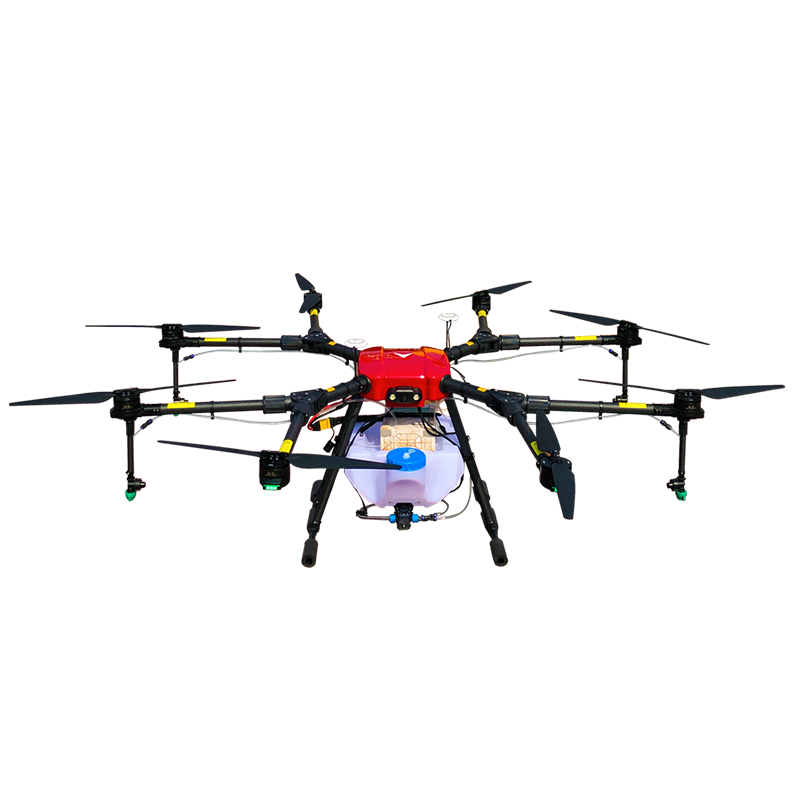
Geared towards industrial-scale agriculture, the 8-Axis 20L drone excels in covering large fields efficiently. Its features cater to extensive operations with performance metrics showcasing significant coverage. Testimonials indicate its effectiveness in maximizing field productivity through high-efficiency spraying systems.
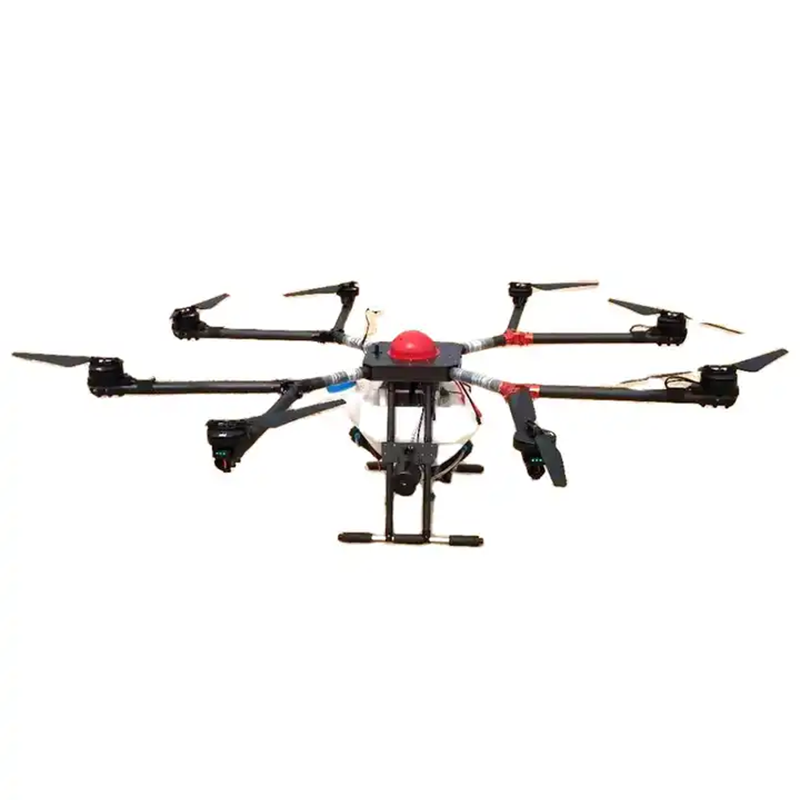
Adding IoT sensors to agricultural drones has changed how farmers handle spraying tasks because these devices can adjust payloads while flying over fields. The improved accuracy means better control when dealing with unpredictable farm conditions where soil quality and plant health vary across different areas. Farmers who've tested this technology report noticeable improvements in their spraying efficiency. Some growers found they could reduce chemical waste by up to 30% just by making smarter adjustments mid-flight. As for what comes next, we might see these smart systems getting even smarter through features like predictive maintenance alerts and deeper insights from collected data. While no one knows exactly how fast things will develop, most experts agree that IoT continues to reshape farming methods in meaningful ways.
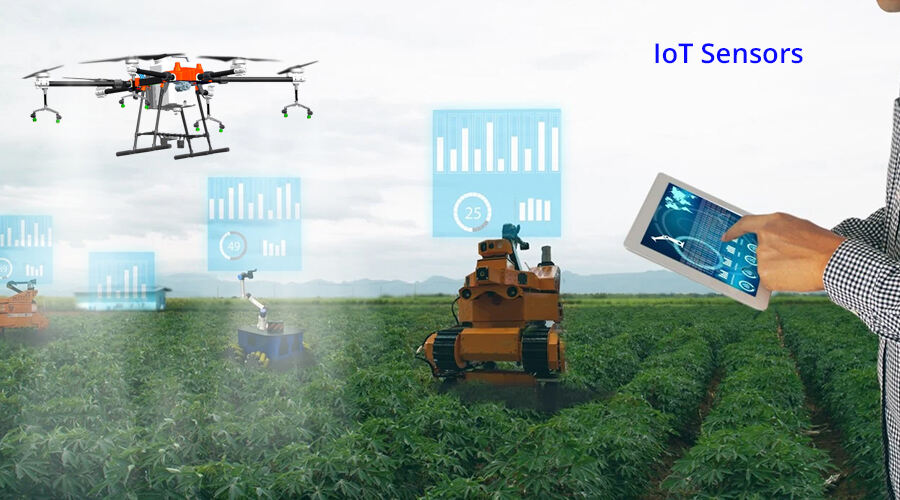
When it comes to farming drones, hybrid battery setups mix various battery tech to get those drones staying airborne longer during field operations. These systems typically pair lithium-ion packs with newer options such as fuel cell technology, giving farmers a more stable energy source that actually boosts how long their drones can fly over crops. The main selling point here is definitely the extra runtime, but there are real world tradeoffs too. Farmers have to deal with added weight from carrying multiple battery types, plus the whole system becomes more complicated to manage properly. Looking at market trends, more and more agricultural businesses are switching to these hybrid solutions despite the higher upfront investment. Most report being happy with the extra hours they get in the air, though some still grumble about the price tag and the learning curve involved in maintaining these complex power systems.
The way AI works with flight paths for agricultural drones has changed things quite a bit when it comes to getting proper spray coverage across fields. These machines actually learn from past flights and figure out where they need to go next without wasting time or product. Farmers notice this because there are fewer overlapping passes and better resource management overall. Some farms report seeing bigger harvests while using less chemicals too, according to studies showing about a 20 percent boost in how well these systems work versus old fashioned approaches. Looking ahead though, nobody really knows exactly what new features might come along as AI keeps developing. There's talk about drones making their own decisions based on what they see happening in the fields right then, but we'll probably see gradual improvements rather than sudden breakthroughs anytime soon.
 Hot News
 EN
EN