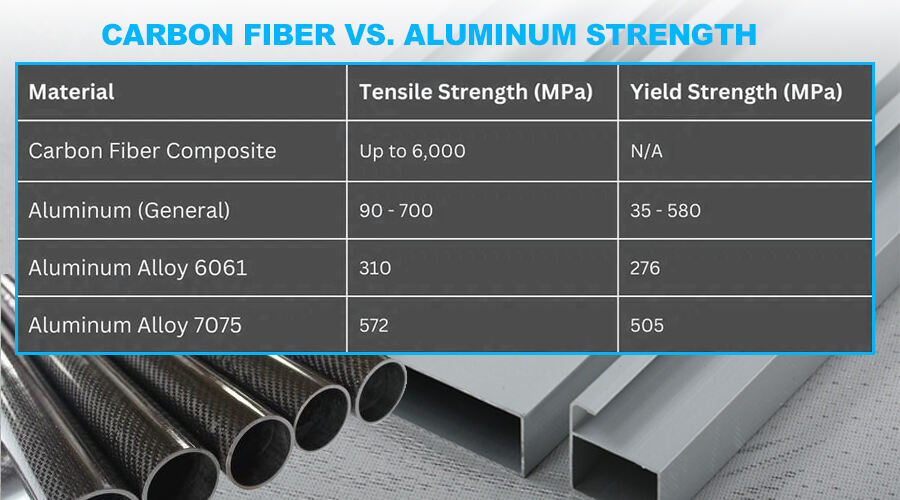
When it comes to tensile strength, carbon fiber really shines with numbers ranging from around 3500 up to 6000 MPa. That's way ahead of aluminum alloys that typically sit somewhere between 300 and 700 MPa. For drone manufacturers, this makes all the difference in building frames that hold together under stress. Frames made from carbon fiber can handle much heavier impacts during flights, which means they last longer and are generally safer for operators. Looking at test results across various labs, we see carbon fiber parts bend less when subjected to the same amount of force compared to their aluminum counterparts. This property becomes especially important for maintaining stable flight characteristics, particularly during those tricky maneuvers or unexpected turbulence situations.
Carbon fiber weighs less than aluminum, and this makes a big difference when building drone frames since it cuts down on overall weight and helps improve how well they fly. Drones with lighter frames tend to stay airborne longer and can carry extra stuff too, which explains why so many racers go for carbon fiber options. According to some industry data out there, cutting frame weight by just 10 percent might boost flight performance by around 20 percent. That kind of improvement matters a lot when trying to get the most out of drone designs these days.
Carbon fiber is way stiffer than aluminum, which makes drones respond better and move more agilely when doing complex flying tricks. The material also absorbs vibrations really well, so there's less interference messing with the sensors and motors inside the drone, and this definitely boosts how well everything works together. Drone experts point out that cutting down on those pesky vibrations matters a lot for tasks that need rock solid stability or precise data gathering. That's why so many cutting edge drones rely on carbon fiber these days as they push the boundaries of what aerial tech can do.
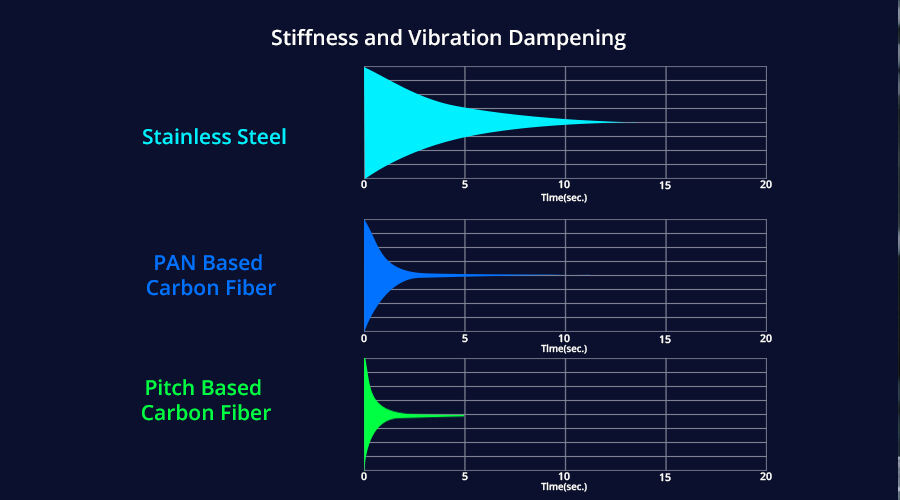
Carbon fiber frames stand out because they absorb energy really well during impacts, which makes these frames much tougher when things go wrong. Drones that hit obstacles or drop from heights tend to survive better with carbon fiber since it can handle those powerful hits without breaking apart like other materials do. Crash testing shows pretty clearly that drones built with carbon fiber suffer far less damage than their aluminum counterparts, which usually end up dented or warped after similar incidents. The numbers back this up too many field reports indicate that drones using carbon fiber have much better survival chances after crashes. For anyone working in harsh environments where drone reliability matters most, carbon fiber remains the material of choice despite its higher price tag.
Carbon fiber just naturally stands up better to corrosion than aluminum does. Aluminum needs all sorts of protective coatings to stop it from rusting away, particularly when exposed to tough conditions. Without those coatings on aluminum drones, the whole structure starts to break down over time. That means higher maintenance bills and constant fixing here and there. Studies indicate carbon fiber drones keep working properly even when they're subjected to lots of moisture or saltwater spray, something we see all the time along coastlines. For anyone running operations near the ocean or in wet climates, this makes carbon fiber a much smarter choice. The fact that these drones last longer without falling apart translates into fewer days spent repairing them and lower overall maintenance costs in the long run.
One big plus of carbon fiber materials is how they don't mess with radio frequency signals at all. Drones made with carbon fiber let those signals pass right through them, something that's really important when it comes to keeping communication systems working properly. Aluminum frames tell a different story though. These metal frames tend to bounce around or weaken RF signals, sometimes leading to dropped connections or loss of control mid-flight. Various tests over the years show that drones built with carbon fiber frames stay connected much better than their aluminum counterparts. This matters a lot for things like flying far away from the operator or running fully automatic missions. When operators need exact control, like taking professional photos from the air or monitoring security areas, having reliable communication makes all the difference between success and failure.
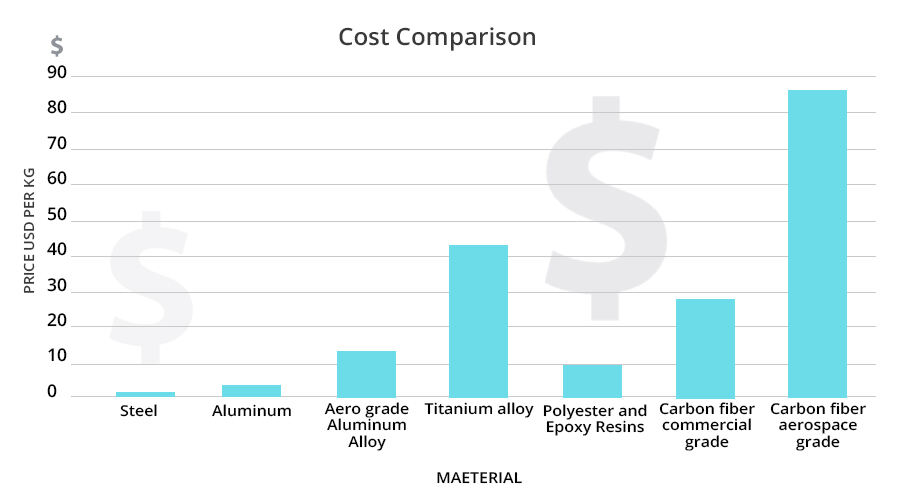
How carbon fiber is laid up makes all the difference when it comes to how strong and light a drone frame will be. Vacuum bagging and resin infusion methods create really solid parts that hold together well and look consistent across the board. But let's face it, these aren't quick jobs. They take time and attention to detail, which drives up what manufacturers charge for finished products. Carbon fiber itself isn't cheap either, and working with it requires special equipment and know-how. Many hobbyist builders get turned off by the price tag and complexity. Still, professionals stick with it because the payoff is worth it. Lighter frames mean better flight times and maneuverability, something that matters a lot in commercial drone operations where every gram counts.
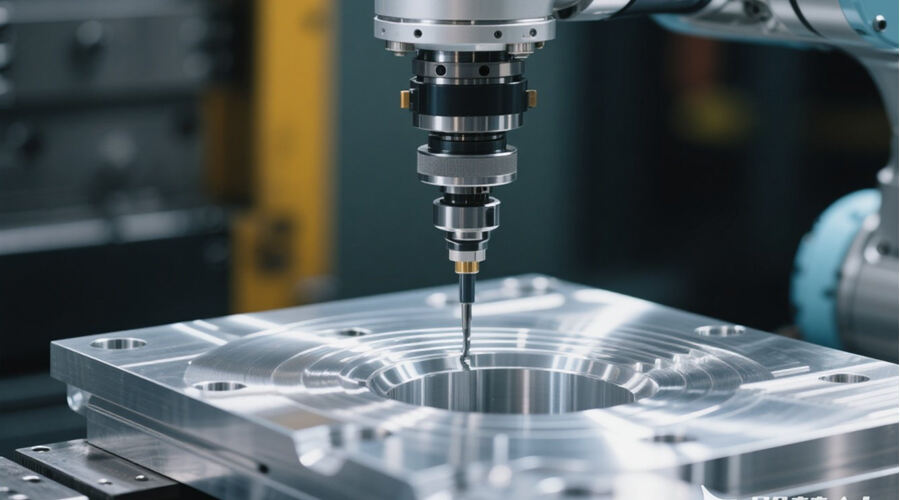
Aluminum alloys work really well for building drones because they are much easier to machine compared to other materials. When using CNC machines in workshops, these metals cut clean and hold shape without too many issues, which means less scrap metal lying around after fabrication. Plus, aluminum doesn't break the bank either. Most hardware stores carry it in various forms, so even weekend builders or small startups working tight budgets can get what they need without waiting weeks for specialty orders. Drone makers love this stuff for frame construction since it holds up pretty good during crashes while still keeping costs reasonable for both prototypes and finished products.
Most hobbyists go with aluminum when money's tight because it doesn't break the bank and works well for basic projects they can build at home. Pros in the industry? They're willing to spend big bucks on stuff like carbon fiber since it just performs so much better under real world conditions. The connection between what something costs to make and how it gets used matters a lot here. Hobby folks naturally look for ways to save cash wherever possible. But pros know their money is better spent on quality materials that last longer and deliver consistent results, even though those materials come with bigger price tags upfront.
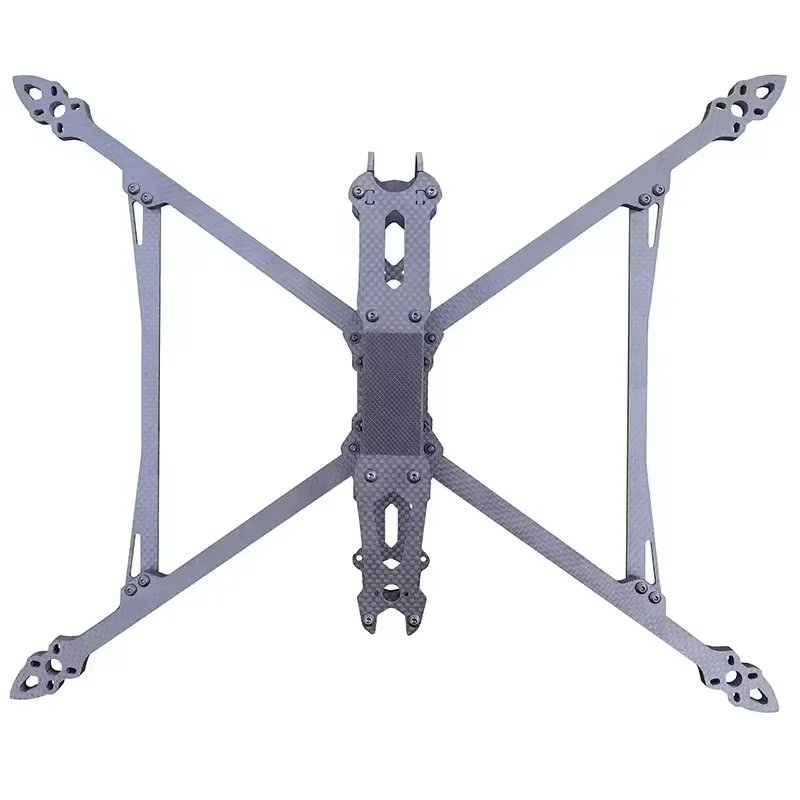
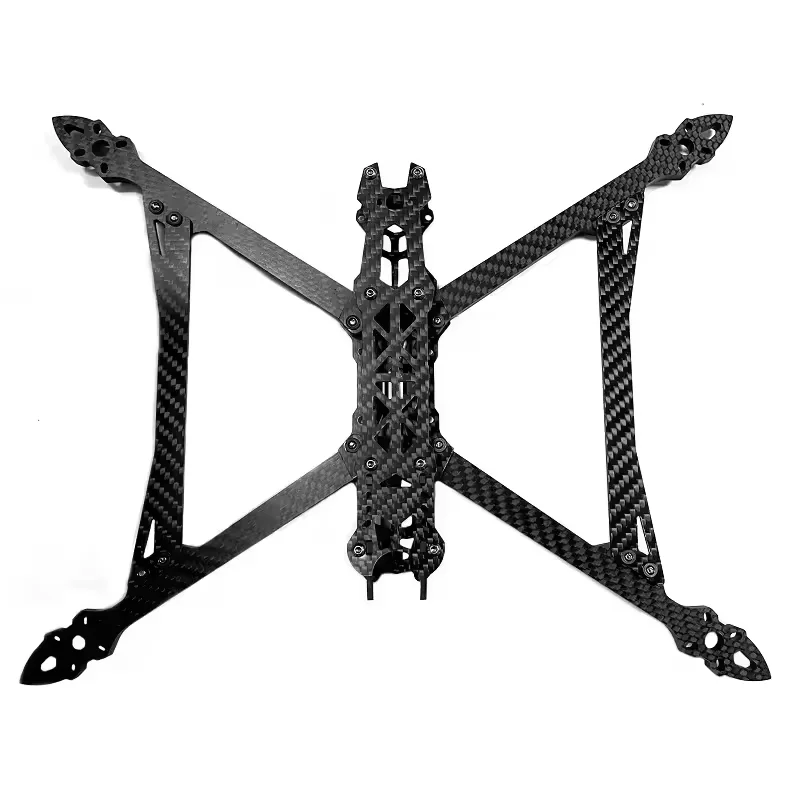
The TYI 13-Inch DIY FPV Racing Frame is really gaining traction with racers thanks to how tough it is while still being super light on the scale. Most FPV drone fans love this one because it handles crashes better than many others without adding unnecessary weight. Made from quality carbon fiber material, racers report they can push harder through turns and maintain speed where other frames might buckle under pressure during competitions. What makes this frame stand apart though? It's surprisingly easy to put together even for newcomers, plus there are tons of options available for customization. Pilots appreciate being able to tweak everything from motor placement to antenna positioning based on what works best for their particular style of racing.
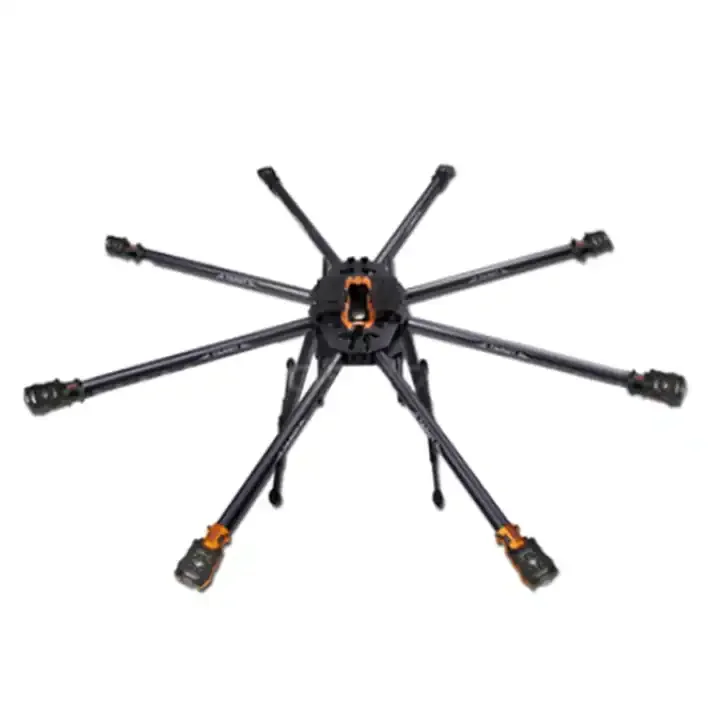
The Tarot T18 frame has been built with stability and good airflow in mind, so it works really well for taking quality photos from the air. Made mostly out of carbon fiber, this drone frame cuts down on those annoying shakes that can ruin pictures or make video look wobbly. Many people who fly these things talk about how impressed they are when the T18 carries heavier gear without any issues. It handles everything from basic cameras to more advanced setups pretty much without breaking a sweat, which makes sense given what we know about its build quality.
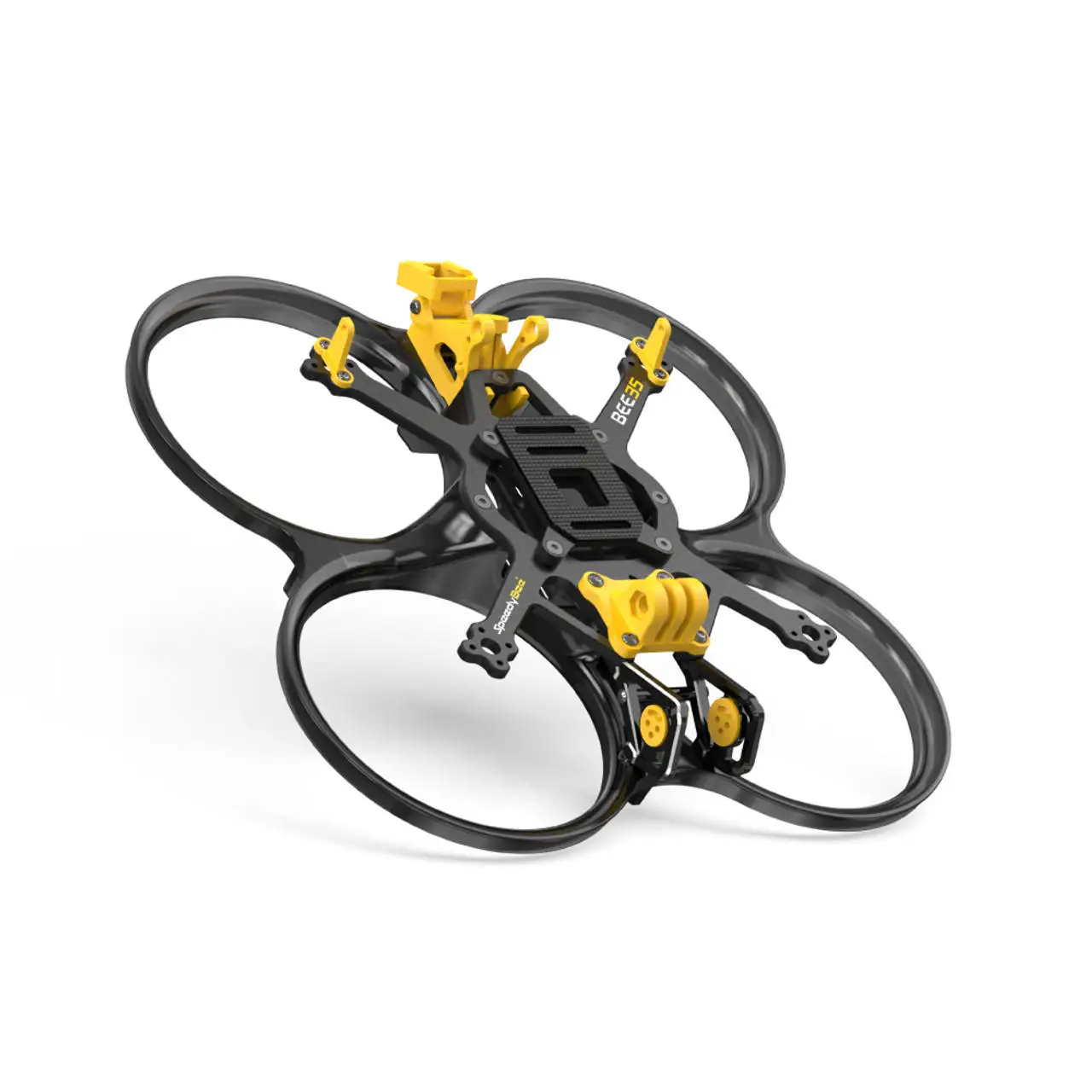
The SpeedyBee Bee35 Frame stands out thanks to its small footprint, performing well in everything from calm indoor flights to windy outdoor conditions without sacrificing power. Made with reinforced carbon fiber composite material, this frame manages to stay light on the scales at just under 140 grams while still holding up against crashes and rough landings. Drone enthusiasts love how easy it is to pack up and take along anywhere, especially when compared to bulkier alternatives that require special cases. Many travelers report being able to fit their entire rig into standard carry-on luggage without hassle, making weekend trips to new flying spots much more convenient than ever before.
The material selection for drones matters a lot because it affects how well they perform and what they can do. For racing drones, speed and agility are key factors, which is why many builders go with carbon fiber frames these days. Carbon fiber stays light but holds up under stress during high-speed maneuvers. Commercial drones tell a different story though. These machines need to last longer and handle heavier stuff like cameras or delivery packages. That's where aluminum comes into play as a cheaper alternative without sacrificing too much strength. Drone makers know this stuff inside out. They've seen firsthand how picking the right frame material makes all the difference in field operations. Some companies even run tests comparing different materials before finalizing production specs. After all, getting the material right means better reliability in the air and fewer breakdowns when customers actually need their drones working.
Looking at materials for drones, people tend to focus on things like how much it costs to fix them and how often they need maintenance. Carbon fiber frames definitely come with a bigger price tag right from the start, but these frames hold up so well that they break down less frequently and generally require less ongoing care. The strength of carbon fiber means drones made with this material can go longer periods without needing any kind of repair work. Aluminum frames tell a different story though. They tend to show signs of wear faster, which naturally drives up both the maintenance requirements and eventual replacement expenses. Many operators find that spending extra money on carbon fiber pays off handsomely in the long run since there's just not as much downtime for repairs. Most experienced technicians will tell anyone willing to listen that thinking about what works best financially over years rather than just looking at what seems cheaper at first glance makes all the difference in the world when building or buying commercial grade drones.
Putting money into stuff like carbon fiber really pays off when it comes to keeping drone investments ahead of the curve. Tech changes so fast these days that picking good materials upfront gives companies an advantage down the road. Drones aren't just toys anymore they're working hard across industries from agriculture to delivery services. A drone made with quality materials lasts longer and meets those ever-changing regulations better than cheaper alternatives. Most experts agree that within five years, anyone serious about operating drones professionally will need to invest in aircraft built with premium materials if they want to stay competitive in markets where reliability matters most.
 Hot News
 EN
EN