Getting to grips with LiPo battery setups means knowing what those numbers like 4S and 6S actually mean. The S here stands for series connection basically counting how many individual cells get linked together inside the pack. So when we talk about a 4S setup, that's just four cells strung together, while a 6S has six cells doing the same thing. What this really matters for is the voltage coming out of the battery. Each standard LiPo cell gives roughly 3.7 volts on average. Multiply that by four cells and suddenly we're looking at around 14.8 volts total from a 4S pack. Go up to six cells and the voltage jumps to about 22.2 volts instead. This makes all the difference in real world performance too. A 6S battery simply packs more punch and runs more efficiently overall. Drone racers especially notice this boost since their motors can handle much higher workloads without overheating or losing power mid-flight.
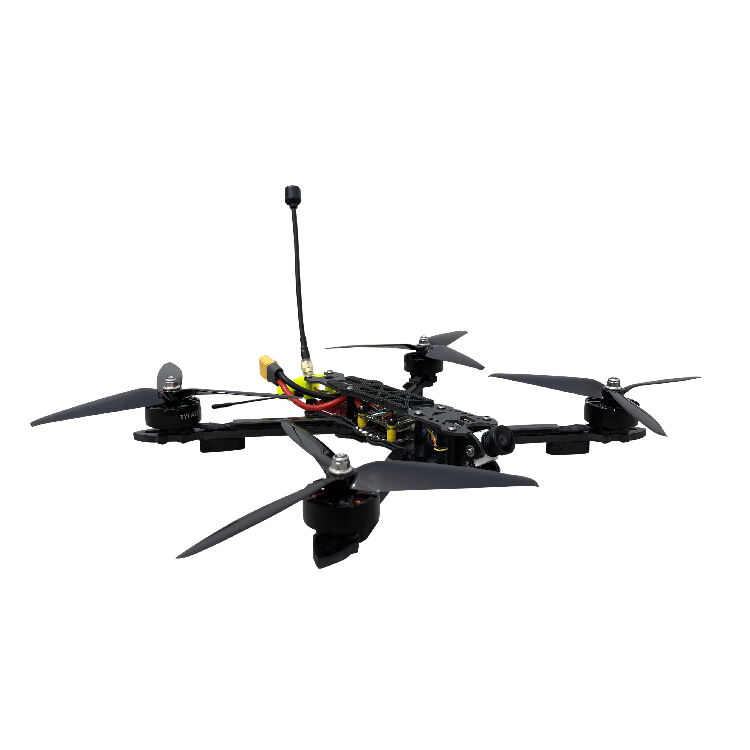
For FPV racing and aerial photography enthusiasts, 6S batteries bring some real advantages to the table. With their higher voltage, these packs deliver better power output which translates into much more responsive flights. Pilots notice this right away when they get that extra punch needed for tight turns and quick acceleration through gates. What's interesting is how efficient these batteries actually are too. Drones equipped with them can keep pushing harder without the motors struggling as much as they would with lower voltage options. But there's a catch worth mentioning here. Before jumping straight into upgrading to a 6S setup, hobbyists need to check if all their existing gear works well together. Mismatched components might lead to problems down the road such as excessive heat buildup or simply not getting the full benefit from the upgraded battery.

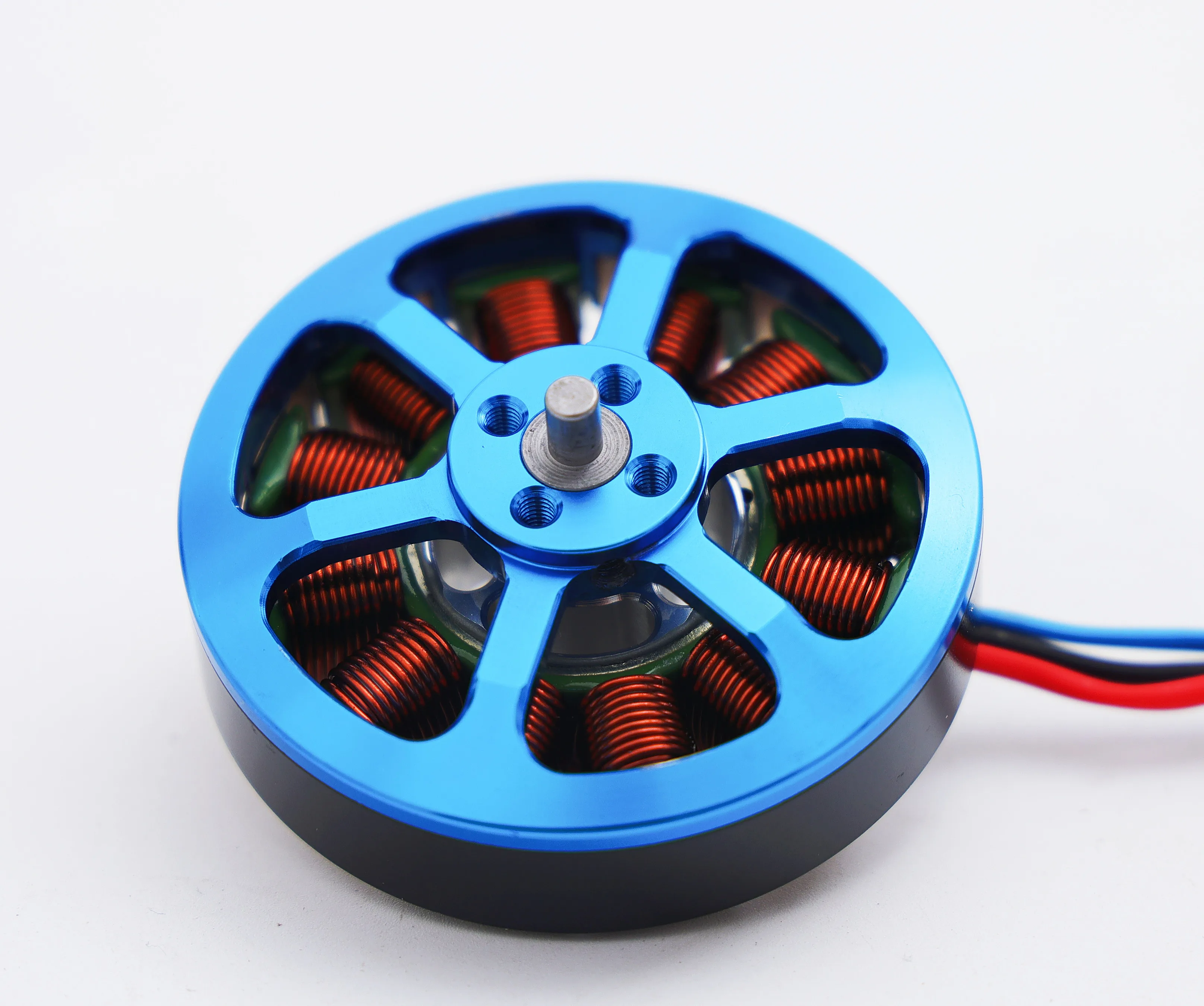
When comparing 4S and 6S LiPo batteries, the voltage difference really matters for how electric motors perform, particularly in those FPV setups most pilots love. The extra voltage coming from a 6S pack means faster motor speeds measured in RPMs plus better torque output. This makes all the difference when doing those quick turns and aggressive moves that define competitive racing drones. Switching from 4S to 6S typically gives around 20 something percent boost in power according to what many hobbyists report. For folks wanting to step up their flying game, going with 6S is becoming increasingly popular. The stronger propulsion system handles extra gear much better too. Pilots can mount decent sized cameras or even stabilization systems without noticing any real drop off in how well the aircraft responds during flight.
More power means components need to match up just right or else everything falls apart. When building drones, electric motors work best within certain voltage ranges, so picking the right battery matters a lot for keeping things cool and extending how long parts last. Run a motor past what it's rated for and watch out for all that extra heat coming off it. That kind of stress makes motors perform worse over time and cuts down on how many races a drone can actually complete before needing repairs. For serious FPV racers and professionals who rely on their gear day after day, knowing exactly what each motor and battery can handle becomes second nature. Getting this balance right isn't just about specs on paper it's about making sure equipment survives those intense flying sessions without breaking down at critical moments.
For FPV drone enthusiasts, switching to 6S batteries gives a real boost to thrust power, which makes all the difference when racing or doing those tricky aerial stunts. These batteries pack more voltage than standard 4S options, so they deliver stronger push off the line and better handling at high speeds. People who have tested this know what I'm talking about - their racing drones just fly faster and respond quicker with 6S installed. But there are other things at play too. How well a drone cuts through air matters just as much as raw power. And don't forget about weight either. All these elements work together with the extra thrust from 6S batteries to determine how good a drone actually performs in real world conditions.
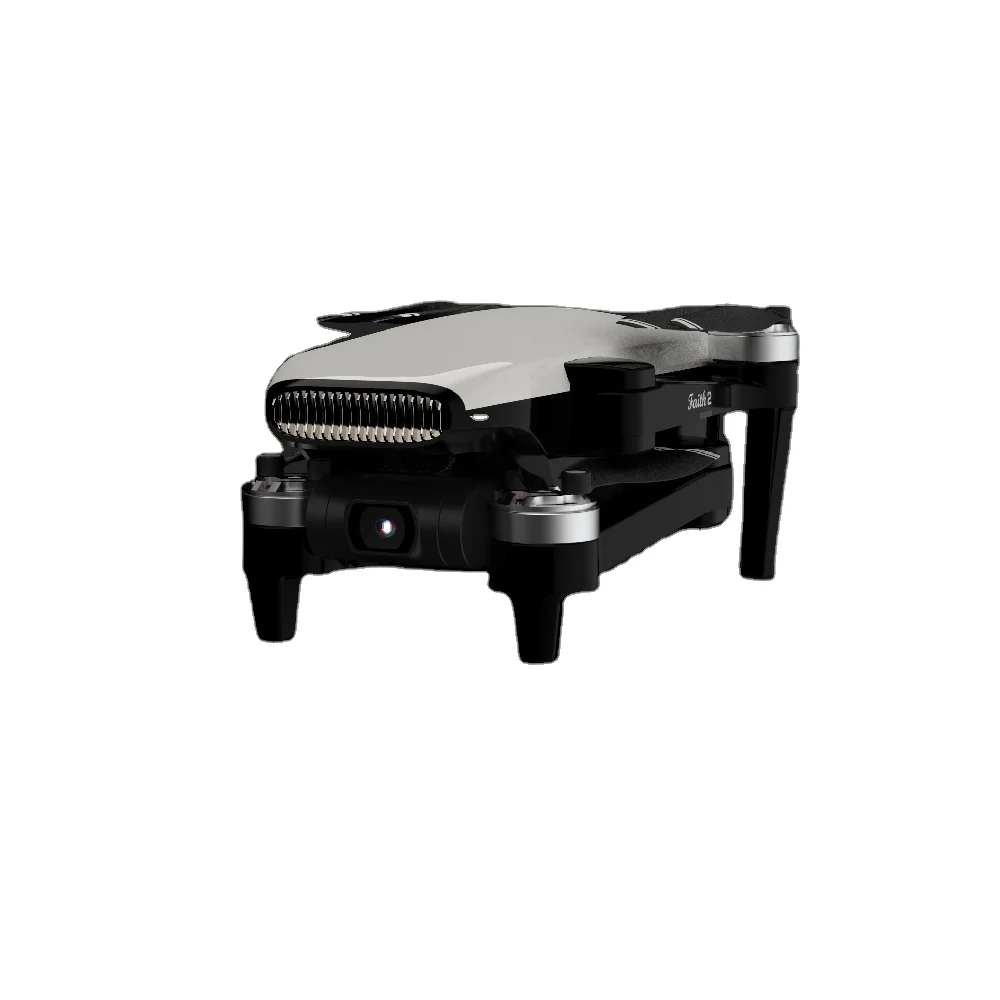
How much power a battery holds really matters when it comes to running heavier camera setups on drones. When choosing between 4S and 6S batteries, there's a big difference in how well the camera stays steady, what kind of pictures get taken, and how long the drone can actually stay up in the air. Most professional drone filmmakers go for 6S batteries because they last longer in the sky and handle all those fancy camera functions better. This makes sense since nobody wants their shots ruined by sudden power cuts during important scenes. With proper battery configuration, drone cameras work at their best, which means clearer images and smoother video even after flying around for hours on end.
Battery weight really matters when it comes to keeping drones stable and under control, particularly important for anyone using them with camera stabilizers. Lighter 4S batteries work well enough for basic flights where pilots want better agility and longer time in the air. But things change when flying gets serious. The extra juice from a 6S battery makes all the difference for those intense shots that require rock solid stabilization during professional videography work. Most seasoned operators talk about finding that sweet spot between having enough power without making the drone too heavy. Choosing the right battery setup depends on what kind of footage they need to capture, balancing between getting good stability and maintaining efficient control over the aircraft.
FPV racing drones equipped with 6S batteries really take performance to another level, giving pilots faster acceleration and much higher maximum speeds than older setups. With all that extra power from the 6S configuration, racers get those quick speed spikes needed for tight turns and aggressive passing moves during races. Take a look at what's happening on the track these days most elite racing machines run on 6S packs and they just blow away the 4S models in terms of raw speed and punch. The FPV racing scene is super competitive right now, so having that extra juice from a good 6S battery pack can literally decide who crosses the finish line first versus settling for second place. Many pilots will tell you it's worth every penny for that split second advantage when it counts.

When it comes to lightweight drone camera configurations, many operators turn to 4S batteries because they just work better for this kind of setup. They strike that sweet spot needed for aerial photography jobs where keeping things light matters most while still getting decent flight times out of them. Since these batteries don't pack quite as much punch as higher voltage options, they actually put less strain on all those moving parts inside the drone, which tends to mean longer lasting equipment overall. A lot of pros who film professionally with drones will tell anyone who'll listen about how much better their footage looks when using 4S packs. The stability during shots improves noticeably without cutting into how long they can stay airborne. And let's face it, nobody wants to lug around heavy gear when trying to capture those perfect angles from above anyway.

Flight simulators rely on both 4S and 6S batteries for proper function, and which one works best really affects how well everything runs. When someone sets up an advanced simulator system, getting the right battery match matters a lot for making things work together smoothly without headaches later on. These batteries are pretty versatile too, so they can handle various situations depending on what kind of flying practice pilots want to do. Most experienced flyers have their own favorites based on personal comfort levels during training sessions. Finding the correct battery configuration leads to better control response times and overall realism in simulations, letting pilots train under conditions they actually prefer day to day.
Picking between 4S and 6S batteries really comes down to matching what the battery can do with what the device actually needs. Voltage, how fast it can release power, and total capacity are the main things to look at since they basically determine how well something will work. Take drones with cameras for example most pilots know that getting the right voltage makes all the difference when flying around capturing footage. Always check what the manufacturer says about which batteries work best because going outside those specs can wreck expensive gear and ruin performance. Smart hobbyists usually create some sort of comparison list comparing their equipment specs with different battery options available on the market. Doing this kind of planning ahead saves money in the long run by preventing unnecessary damage while making sure everything runs smoothly when needed most.
When choosing between 4S and 6S batteries, most people weigh what they can afford against how well the battery performs. Hobbyists tend to go for 4S options since they're cheaper pocket friendly stuff for folks just getting started. The pros spend extra on 6S packs because they know those deliver better power and last longer during intense sessions like FPV races where every second counts. Looking at actual sales data shows this pattern too 4S stays popular among beginners while serious racers stick with 6S setups for their edge in competition. Anyone shopping should think about both prices and what kind of flying they plan to do. A weekend flyer might not need all that extra punch from a 6S pack, but someone competing regularly will find the investment pays off over time. At the end of the day, knowing whether money matters more than raw performance helps pick the right battery without wasting cash on unnecessary upgrades.
 Hot News
 EN
EN