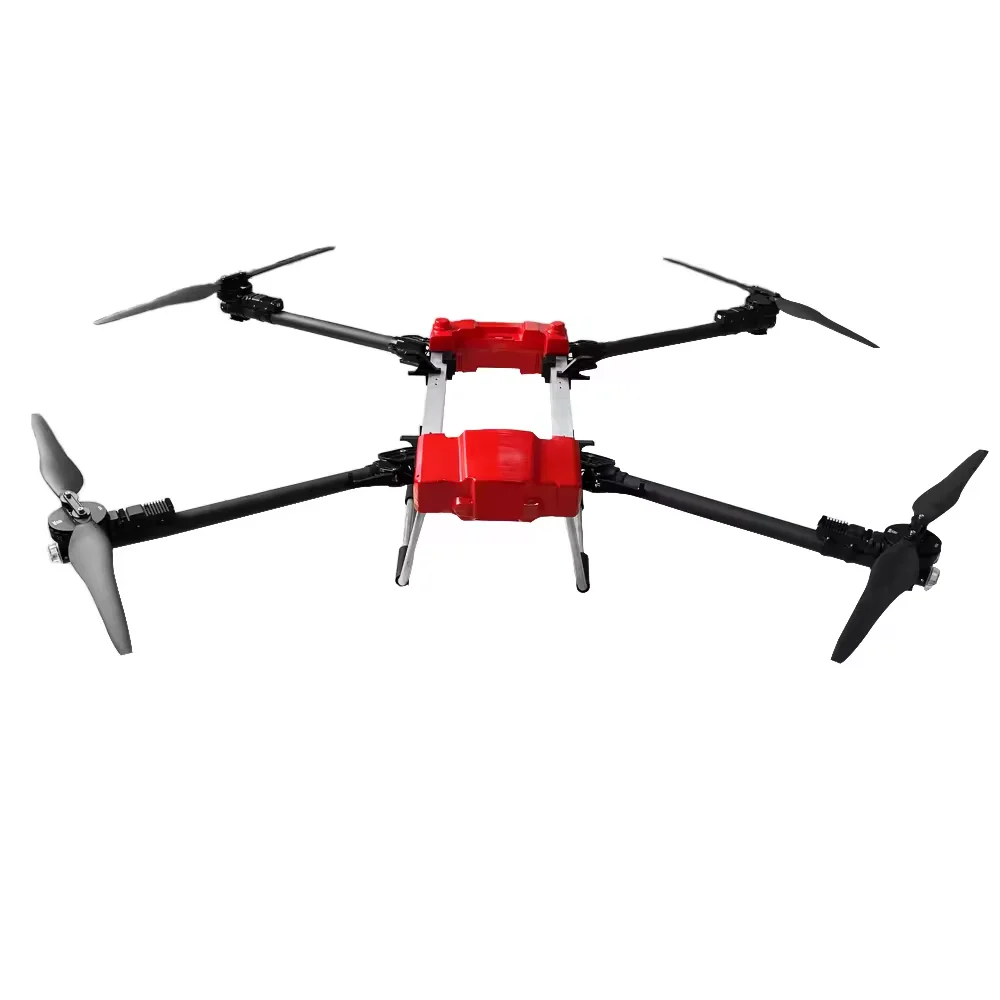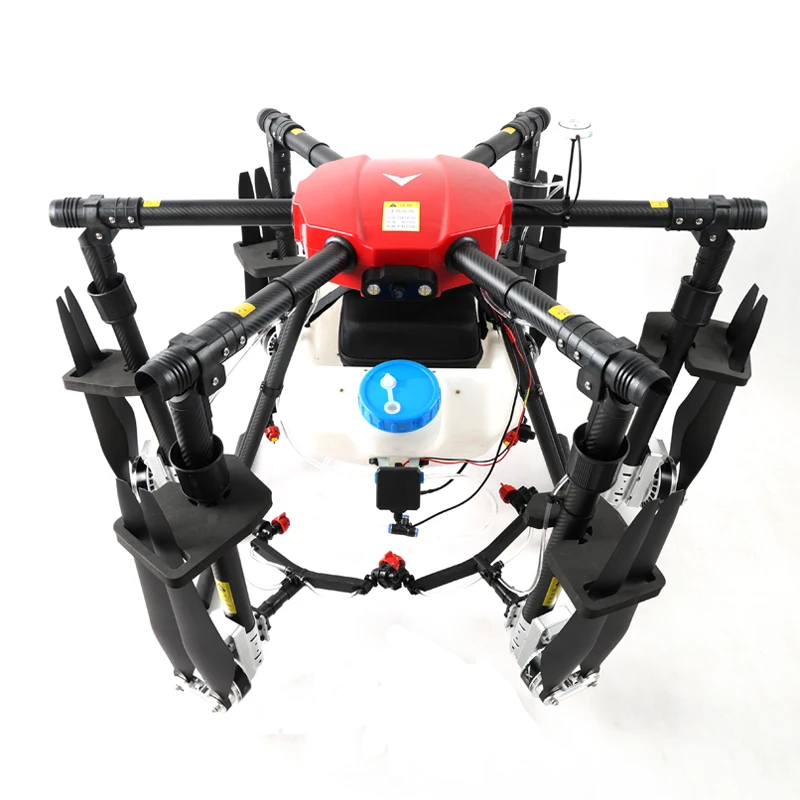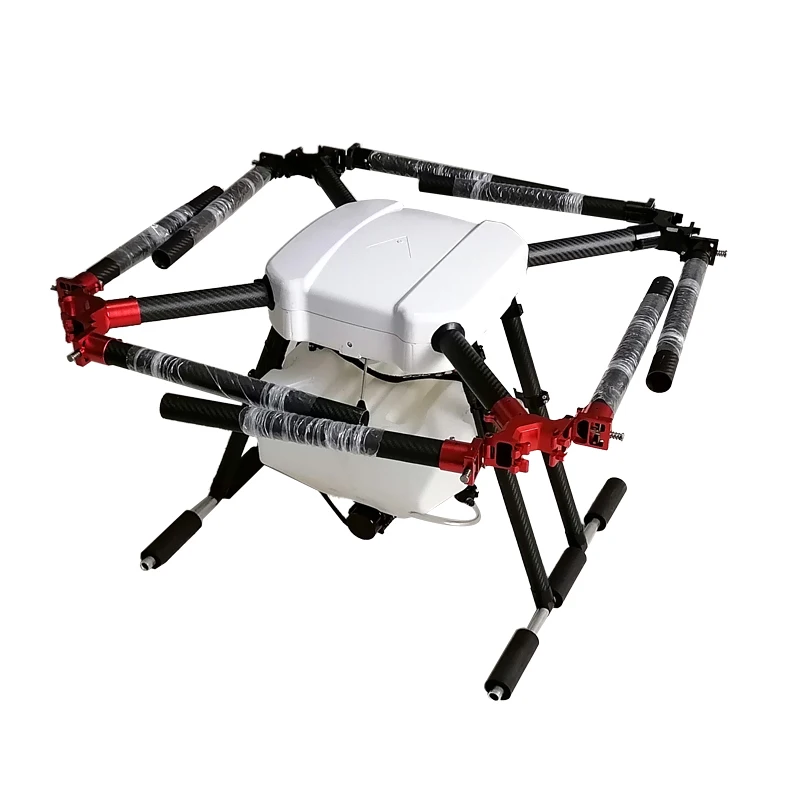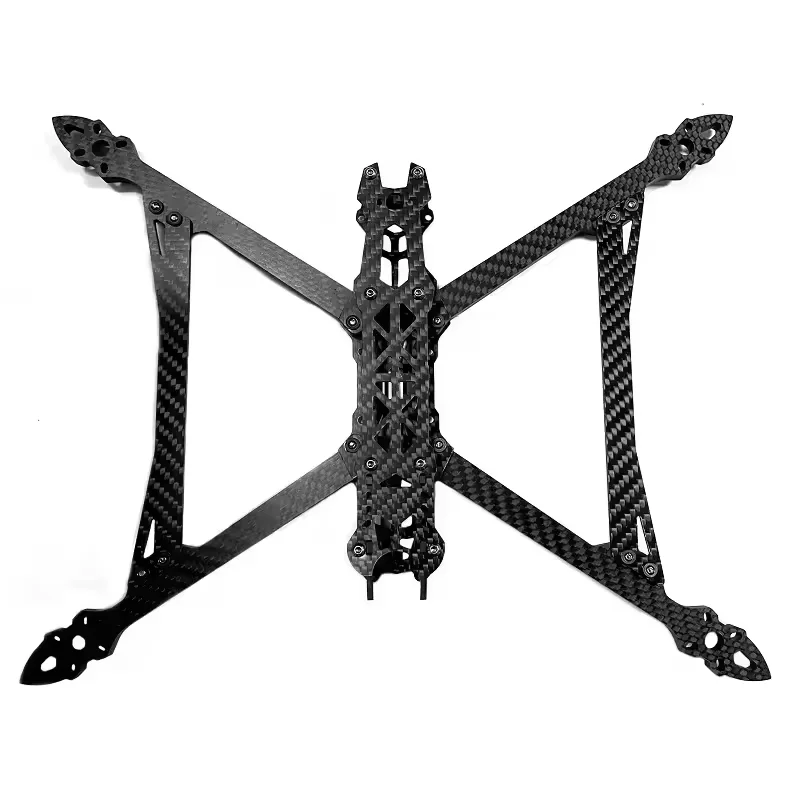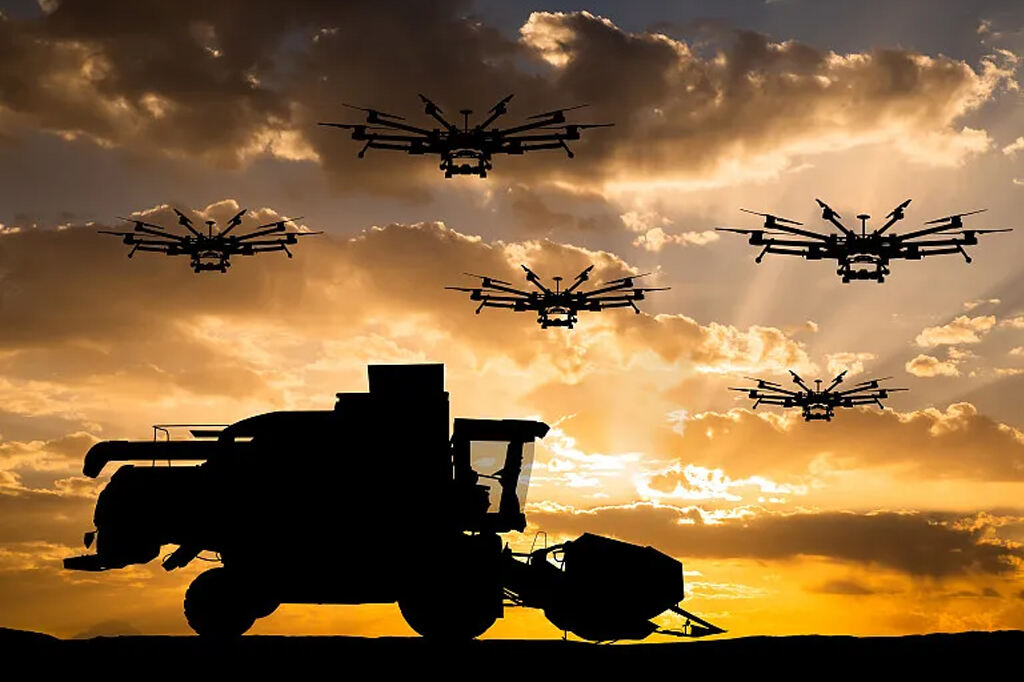
A regular inspection routine both before and after flights helps keep agricultural drones working properly over time. Start with a good visual check of the drone itself, looking closely at important components like rotors and sensors for signs of damage or buildup from field work. Getting rid of anything blocking airflow or sensor readings makes all the difference in how well the drone performs during actual operations. Check batteries next to make sure they're fully charged and connected properly. Low power mid-flight means trouble waiting to happen, and nobody wants to deal with expensive repairs or worse after a crash landing. Don't forget to look through software and firmware logs too. Sometimes strange behavior shows up there first, giving clues about bigger problems down the road. Stick to this basic maintenance schedule and most operators find their drones last longer while causing fewer headaches in the long run.
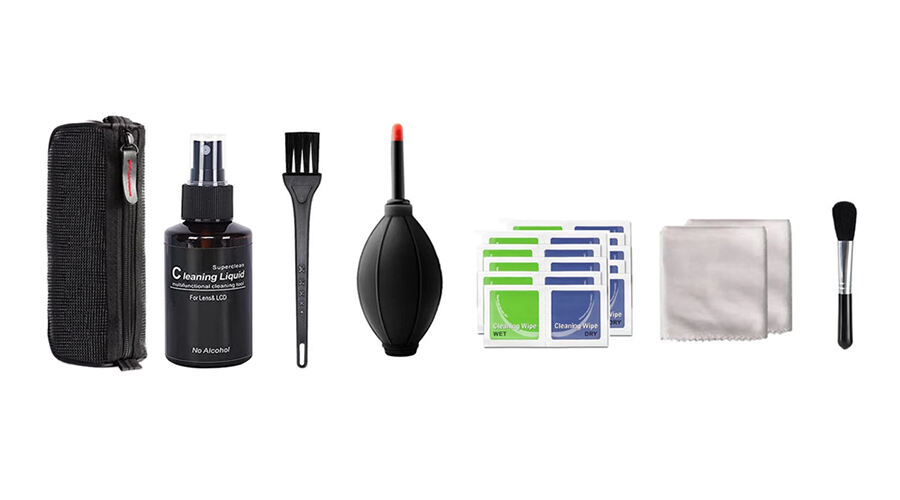
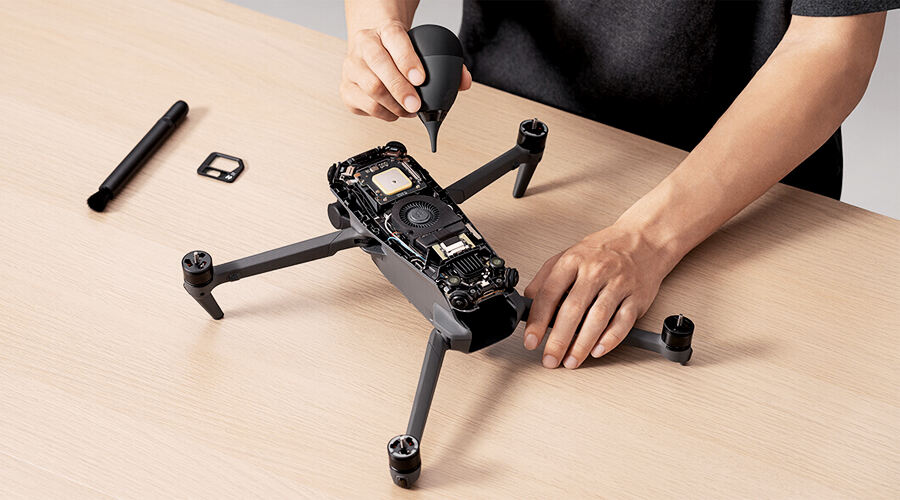
Keeping drones clean remains essential for getting the most out of them, particularly when they're working in farming environments where dust, pollen, and moisture constantly attack the equipment. Farmers should reach for something like rubbing alcohol when tackling stubborn grime on motor housings and sensor arrays, since harsh chemicals can actually do more harm than good over time. For the propellers themselves, grab a soft brush from around the workshop and carefully sweep away anything stuck between the blades grass clippings, mud specks, or whatever else gets caught during field operations. Most operators find that setting aside time every four weeks works well for routine cleaning, though machines used daily in intense agricultural settings might need attention even more frequently. Regular maintenance like this keeps everything running smoothly, preventing those frustrating slowdowns or complete failures that happen when dirt builds up inside critical components.
Taking care to check your drone regularly for signs of wear really matters if you want it to keep working properly. Pay special attention to things like propellers and motor bearings since they tend to break down faster because they get used so much. When doing inspections, look out for weird vibrations or anything that looks damaged. If there are cracks showing through the plastic or materials starting to fray around edges, that means parts are getting worn out and need replacing soon. It also helps to write down what gets checked and when in a logbook or spreadsheet. These notes become super useful later on when trying to figure out why something stopped working or deciding when parts should be swapped out. The whole point is to catch problems early before they cause bigger headaches, so keeping tabs on all these details makes drones run better longer and saves time fixing unexpected breakdowns down the road.
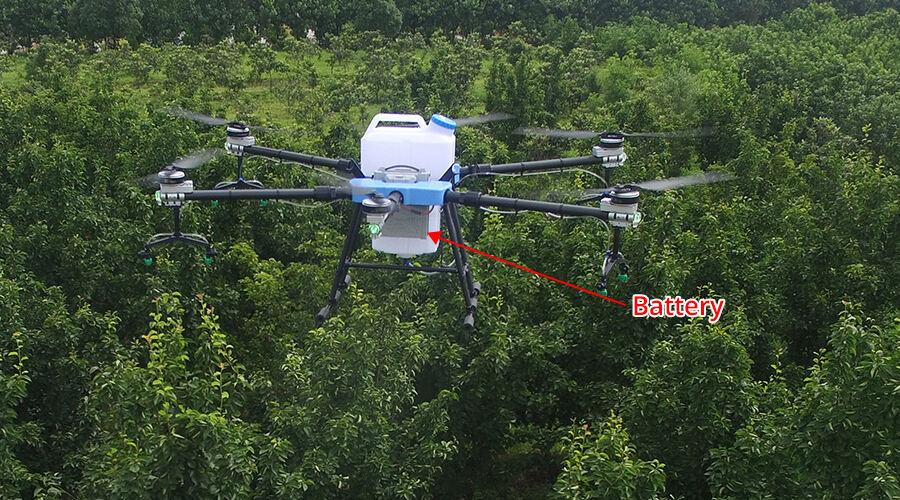
Getting the most out of an agricultural drone's battery starts with knowing how to charge properly. Most drones use lithium polymer batteries, and these need special attention when charging. Letting them drain completely is bad news for their lifespan, so keeping track of charge levels matters a lot. Farmers should follow what the manufacturer says about voltage and current settings during charging sessions. This helps keep things running safely without damaging the battery. Smart chargers are another good investment because they stop overcharging from happening. Many come with built-in safeguards that monitor the whole process automatically. Some even have indicator lights showing when charging is done right. Taking care of batteries this way not only extends their useful life but also keeps the drone performing at its best throughout the season.
Storing drone batteries properly matters a lot if we want them to last longer. The best place for these power packs tends to be somewhere cool, around 15 to 27 degrees Celsius works well, and definitely away from damp environments. When putting batteries away for a while, charging them up to about half full before storage helps reduce strain on the internal components over time. Farmers who work with drones know this trick already - checking on stored batteries every now and then makes sure they still hold a decent charge when needed again. Following these simple rules actually extends battery life quite noticeably, which means fewer replacements and better performance from those expensive agricultural drones out in the fields.
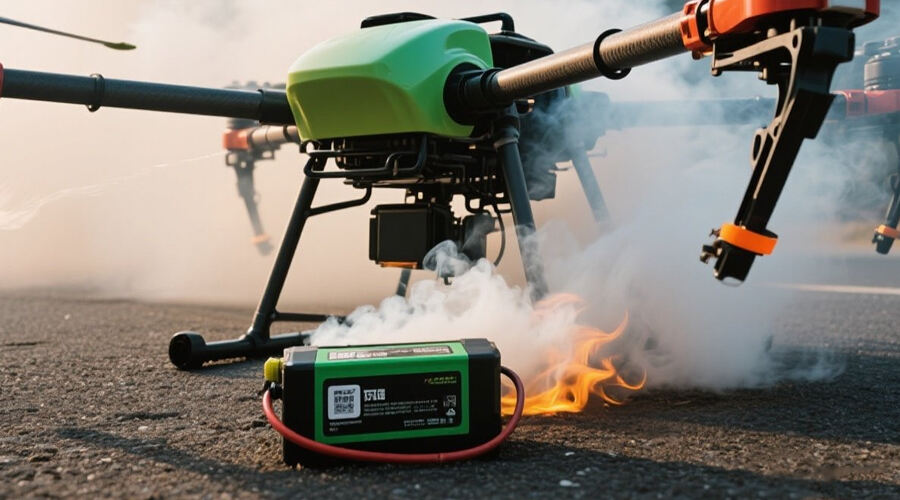
Spotting early signs of battery problems helps keep drones running safely and avoids dangerous situations. Watch out for swollen cells, leaks coming from the casing, or sudden drops in flight time that don't match what's normal for your equipment. When any of these show up, action needs to happen fast before something gets damaged either on the drone itself or nearby objects. Always handle suspect batteries with gloves on and away from flammable materials. Dispose of old ones at designated recycling centers rather than throwing them in regular trash where they could start fires. Checking batteries regularly through simple tests makes it easier to know when replacement is needed. This keeps operations going smoothly while cutting down on all sorts of risks tied to faulty power sources.
Incorporating these battery management practices ensures your agricultural drone remains ready for extensive use, optimizing productivity and safeguarding against battery-related failures.
Keeping firmware updated regularly helps maintain both performance and security for agricultural drones. When farmers skip these updates, they often run into problems like system malfunctions and reduced capabilities that affect how accurately and efficiently crops get managed across fields. Updated software keeps drones compatible with new industry protocols and protects against security threats that have emerged over time, making the equipment last longer while performing better day after day. Most experienced operators find scheduling updates about every two to three months works well, though some adjust this based on actual field usage patterns rather than sticking strictly to calendar dates.
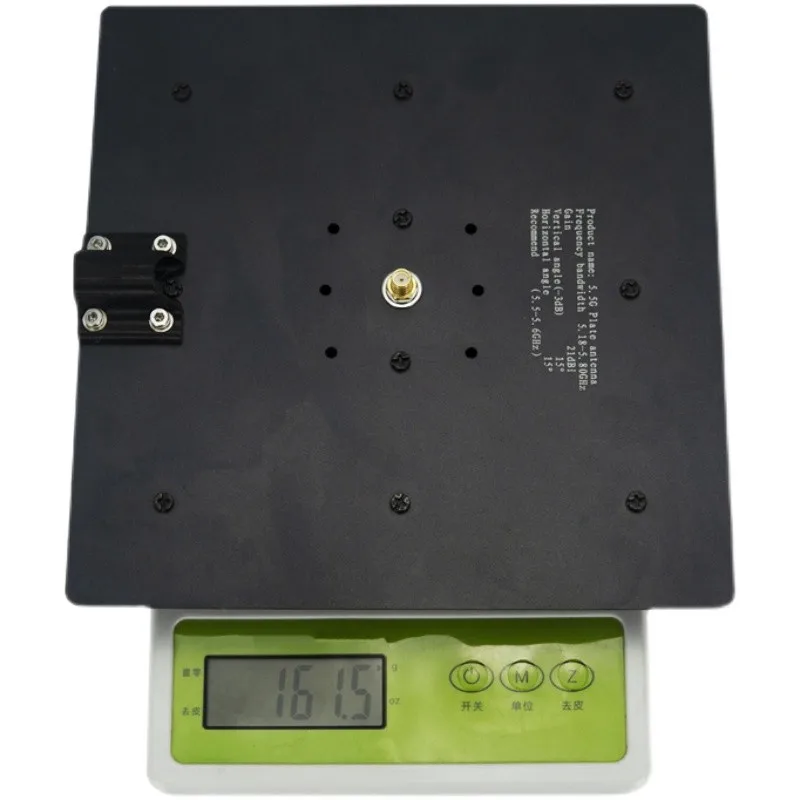
Getting good positioning data matters a lot when managing farms these days, which means regular checks on GPS and navigation systems just make sense. When systems aren't properly calibrated, drones end up flying off course, messing up everything from crop surveys to figuring out harvest yields. Farmers should look into those calibration kits made specifically for GPS units. Most folks recommend checking them either right before heading out on a flight or roughly every couple of months, though it really depends how much the equipment gets used day to day. Keeping those systems accurate ensures the drone stays on target during flights, which helps farmers make better decisions about what needs attention in their fields and ultimately leads to better harvests across the board.
Getting good data from agricultural drones starts with keeping those sensors in tip-top shape. Most modern ag drones come packed with all sorts of sensors that actually make or break the whole data gathering process. They help figure out how healthy crops really are down to the last leaf, plus they analyze soil conditions across entire fields. Farmers need to set up some kind of regular checkup schedule for these sensors. Cleaning them off after each flight matters a lot because dirt buildup just messes with readings. Calibration checks should happen regularly too. When farmers skip this basic maintenance stuff, the data gets skewed. And bad data means making farming choices based on faulty information, which nobody wants when millions of dollars worth of crops are at stake.
By implementing these practices—regular firmware updates, GPS calibration, and diligent sensor maintenance—you enhance the accuracy and efficiency of your agriculture drone operations, ultimately contributing to better agricultural outcomes.
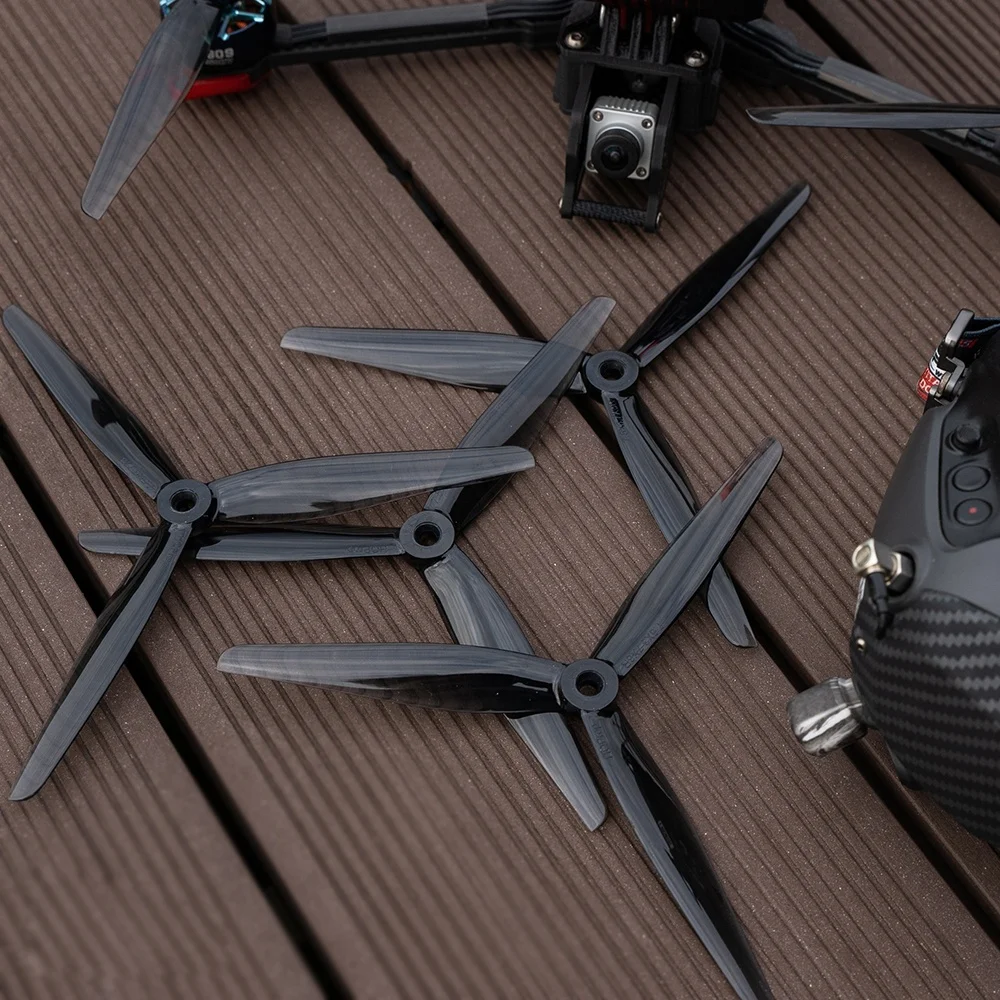
Regular checks for damage and balance issues in both propellers and motors really matter when it comes to keeping drones flying properly. Start with a good visual inspection looking out for cracks, bends or anything that looks off shape. Take time to examine each propeller individually since even small problems can make a big difference. Balancing those propellers isn't just something to tick off the list either. Imbalanced props will definitely affect how well the drone flies and could actually be dangerous during operation. Get hold of some proper balancing tools like prop balancers to make sure everything spins smoothly without putting extra strain on the motor components. When propellers and motors stay in good condition, this helps avoid accidents and means the drone lasts longer overall.
Regular maintenance through proper lubrication and tightening keeps drones running longer and flying better. When parts move against each other without enough oil, they generate extra heat that wears down motors over time. That's why it pays to focus on spots like the motor housing and rotor shafts, applying only the lubricants recommended by manufacturers. Most folks forget about the tiny screws holding everything together until something falls apart mid-flight. Check those connections thoroughly, especially around propellers and landing gear where vibrations tend to loosen things up. A good rule of thumb? Give the whole unit a quick maintenance check after about 5 or so flights. This simple habit makes a big difference in how well the drone performs day after day.
It's really important to know when propellers and motor parts need replacing to stay safe in the air. Drone owners should check their equipment regularly looking for things like frayed blades or motors making odd sounds that weren't there before. If a propeller looks bent out of shape or the motor starts acting funny with slower speeds or weird vibrations, it needs replacing right away without hesitation. Having spare parts on hand makes all the difference when something goes wrong mid-flight season. Most folks find themselves grounded for days waiting on parts they didn't stockpile ahead of time. Also worth noting are those manufacturer specs about how long parts typically last under normal conditions. These guidelines help prevent surprises down the road when seemingly good equipment suddenly fails during operation.
Keeping drones safe from bad weather really matters if they're going to last longer and work properly over time. Good quality cases that resist weather plus proper storage methods help keep drones away from harmful stuff like water and sunlight damage. When rain hits, snow falls, or dust gets everywhere, this stuff can wreck havoc on drones. Electronics corrode and the drone body gets scratched up pretty badly. So spending money on decent protective equipment makes sense for anyone serious about flying. Drone owners who actually use these weather resistant cases report much better results fighting off the elements. These protective cases do double duty protecting the hardware while keeping the drone performing reliably no matter what kind of nasty weather comes along.
Getting drones stored properly over the off season matters a lot if we want them to last through multiple seasons. The basics involve taking out the battery so it doesn't lose charge completely and wrapping up the whole unit against dust buildup and whatever else might get into it. Keeping notes about what was done helps immensely when bringing everything back online later on. Checking in on things periodically keeps components from sitting idle too long. A good rule of thumb is to do quick inspections roughly every three weeks or so. This lets operators catch small problems before they turn into bigger headaches down the road. Following these steps ensures agricultural drones stay functional and perform well right from the moment field work starts again next year.
When transporting drones, proper packing and handling matters a lot for avoiding problems once they're airborne. Bad transport practices often damage those sensitive parts inside, which leads to all sorts of mechanical headaches later on. The constant shaking and bumps while moving around really messes with how well the drone works after arrival. That's why good quality travel cases make such a difference. Most decent cases these days come with shock absorbing materials and sealed compartments to keep dust and moisture out during journeys. For folks working with agricultural drones, there are specialized cases available from trusted manufacturers. These aren't just generic boxes but actually built with the unique needs of farming drones in mind, so when they arrive at the job site, everything still works as intended without needing repairs first thing in the morning.
 Hot News
 EN
EN