How big a drone propeller is plays a major role in how much thrust gets produced. Bigger props generally generate more lift force, though they eat up more battery power too something that matters a lot depending on what kind of drone we're talking about here. Finding the right size really comes down to striking a good balance between getting enough power while still keeping things efficient enough to last through missions without constant recharging. Research out of Maryland showed when folks increased prop sizes just right, they saw around 15 to 20 percent boost in thrust numbers, although these results depended heavily on testing conditions. When picking prop dimensions, designers need to think about the whole package including frame size, total weight load, and actual mission requirements since those giant spinning blades simply won't work well on tiny quadcopters meant for indoor flying.
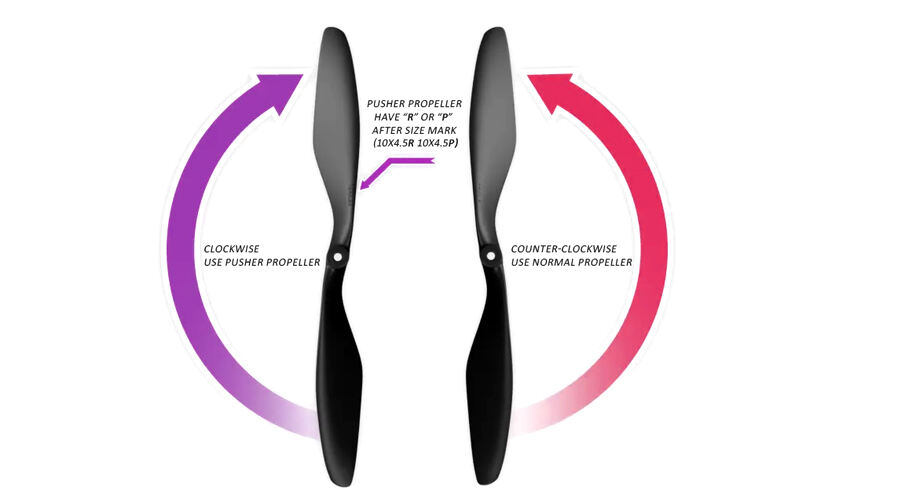
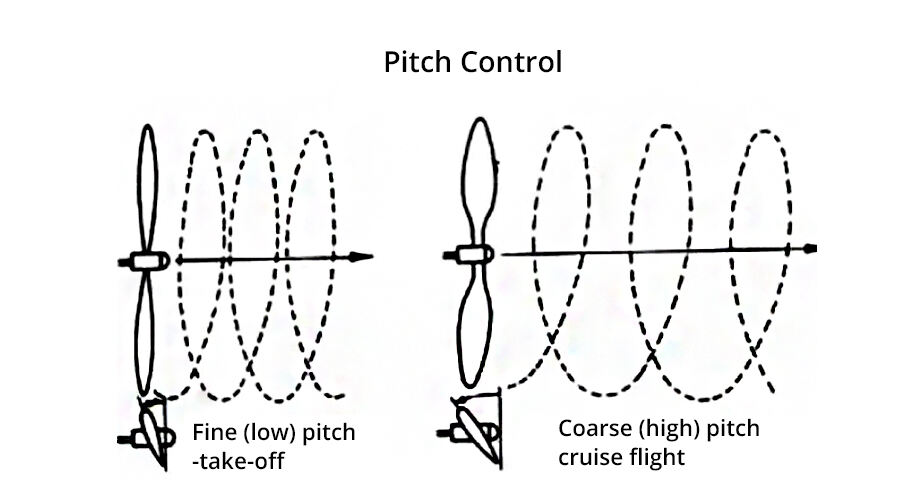
How far apart the blades on a propeller are spaced (measured in inches) really makes a difference when it comes to how fast and agile a drone can be. When we talk about higher pitch props, they tend to push the drone along at greater speeds, so flying becomes quicker overall. But there's a trade off here too. These high pitch props don't always give great power at lower speeds, something that matters a lot when doing things that need fine control. Getting to grips with what different pitch numbers mean matters quite a bit depending on what kind of drone work someone wants to do. Take FPV racing drones for instance, these need to zip forward quickly compared to those used mainly for keeping stable in the air while taking pictures or videos. People who know their stuff about drones often stress how important actual testing out in the real world is to find just the right pitch setting for various situations. After all, no amount of theory beats actually trying things out until everything works smoothly.
When building drones, picking the right propeller material really matters for how well the machine flies and lasts through wear and tear. Most newbies go for plastic props because they're cheap to buy. But these just don't hold up as well as carbon fiber options that professionals swear by. Sure, carbon fiber costs more upfront, but it delivers better results thanks to its amazing strength while weighing so little. That's why serious pilots and racers almost always stick with carbon fiber. A study published in the Journal of Composite Materials found something interesting too - during stressful flying conditions, drones with carbon fiber blades performed about 30 percent better than those with plastic ones. Makes sense then why experienced builders consider this material choice such a big deal for getting the most out of their aerial machines.
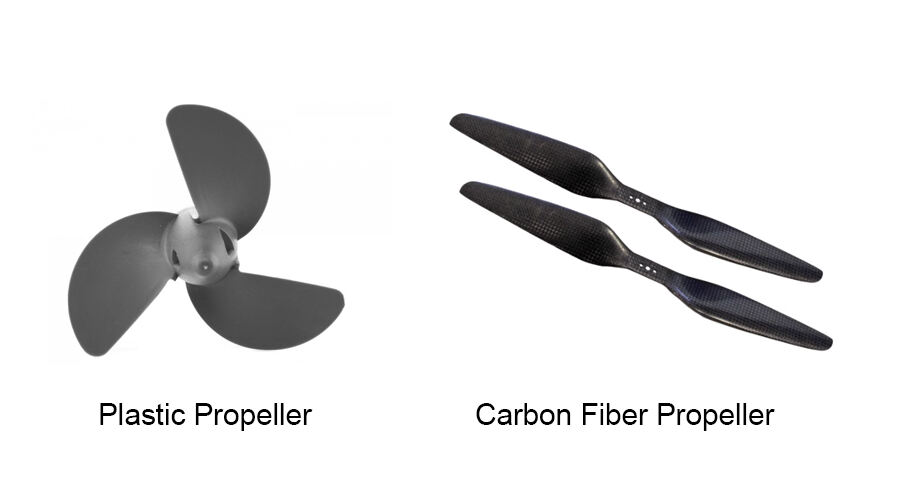
The type of material used in propellers really affects how much noise they make and how well they control vibrations while flying. Carbon fiber props tend to be way quieter compared to plastic ones, particularly when pushing them to high speeds. This quiet operation makes a big difference for anyone trying to minimize disturbance during flights. Good vibration control matters too because it keeps cameras stable in the air. Think about drone photographers who need sharp images without any blur from shaking. Some research into aerodynamics points out that getting the propeller design right, including choosing the proper materials, can cut down both noise levels and unwanted vibrations. This leads to better flying experiences overall. For professionals working on detailed projects like surveying land or capturing video footage, these small improvements actually translate into much better results and happier clients.
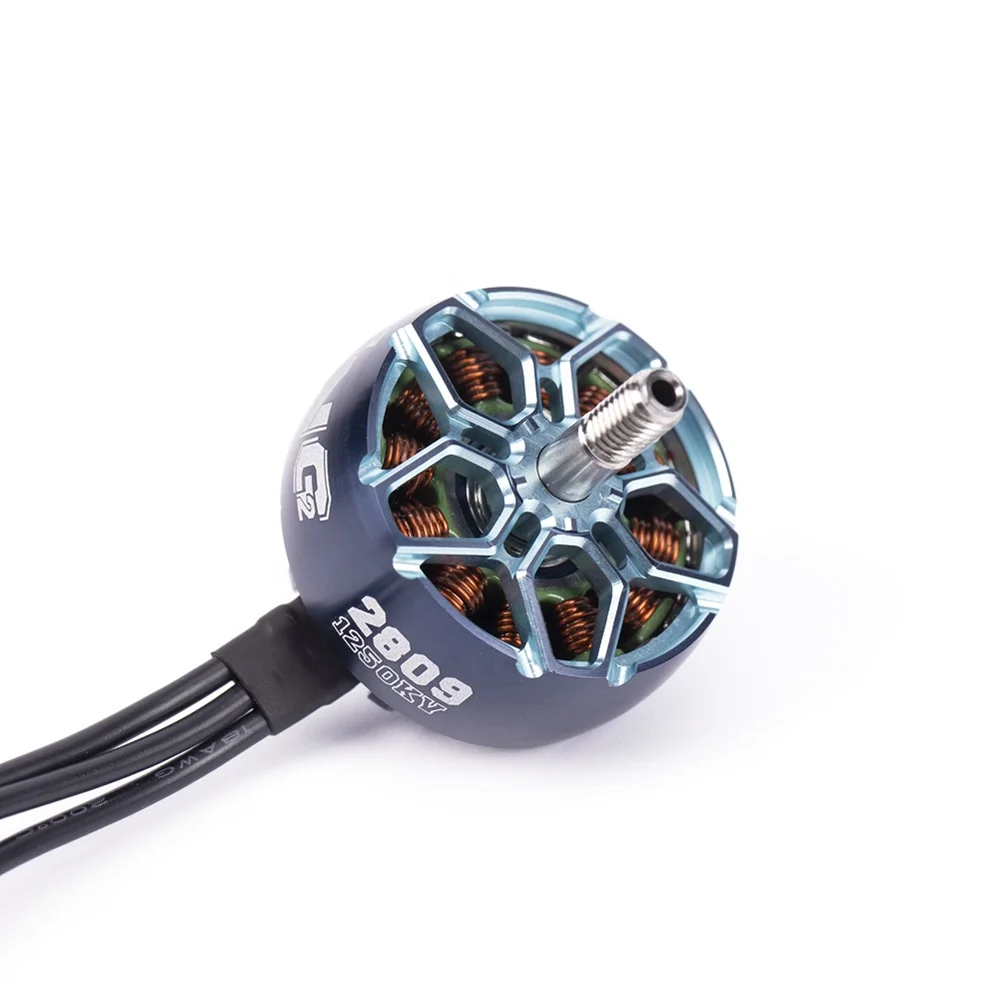
Getting to grips with KV ratings matters a lot when picking out drone props since it tells us how fast the motor spins for each volt applied. Generally speaking, higher KV motors work best with props that have smaller pitch angles because they strike a good middle ground between going fast and pushing hard. Drone builders should steer clear of sticking high KV motors on big pitch props though, since this setup tends to waste power and actually makes the drone push less effectively than expected. Most manufacturer guides will spell out compatible combinations pretty clearly, and ignoring these recommendations usually ends up costing pilots both battery life and flight time. Some folks swear by trial and error, but reading those spec sheets first saves headaches later on.
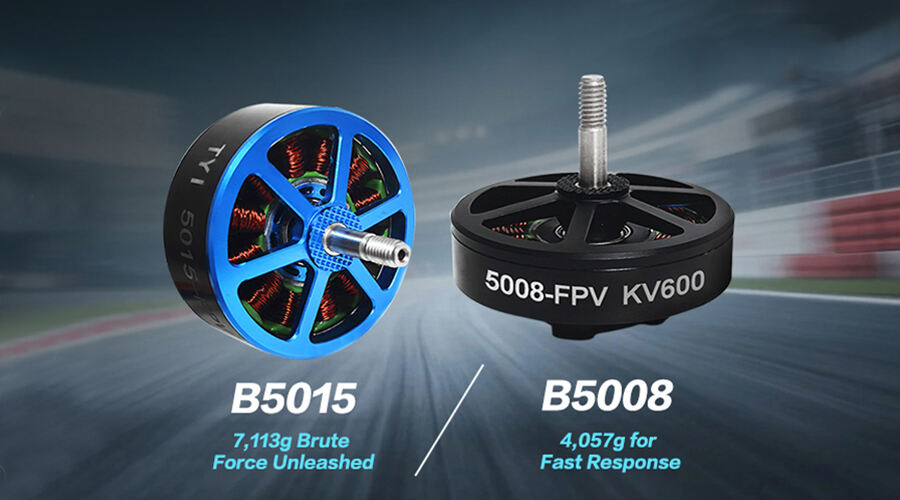
Getting the right propellers for a drone means matching them to what the motors can handle. When people get this wrong, their drones often struggle under too much load which can make things heat up way beyond safe levels or just plain crash altogether. The power needs actually change depending on how someone flies their drone too. For instance, when racing at high speeds versus taking steady shots from above, completely different prop setups work best. Looking at numbers from actual race events tells us something interesting here. Around one quarter to almost a third of all drone breakdowns during competitions come down to bad prop sizes. That makes sense why so many experienced pilots spend extra time checking those specs before heading out for a flight session.
For anyone flying camera drones, getting a handle on thrust-to-weight ratios matters a lot because this number determines how well the drone can lift things. Most experts recommend aiming for around 2:1 ratio where the drone produces twice as much thrust as its own weight. This makes all the difference when lifting gear and keeping cameras steady mid-air. There are plenty of apps and online calculators out there to help figure these numbers, but don't forget to account for extra weight from cameras themselves plus any stabilization mounts too. From what many pilots have found through actual field work, going beyond that sweet spot doesn't really pay off since it drains batteries faster and cuts down flight time dramatically. Getting these calculations right keeps everything balanced and works best in practice. Drone operators who take the time to run proper math tend to get better flights overall while wasting less power in the process.
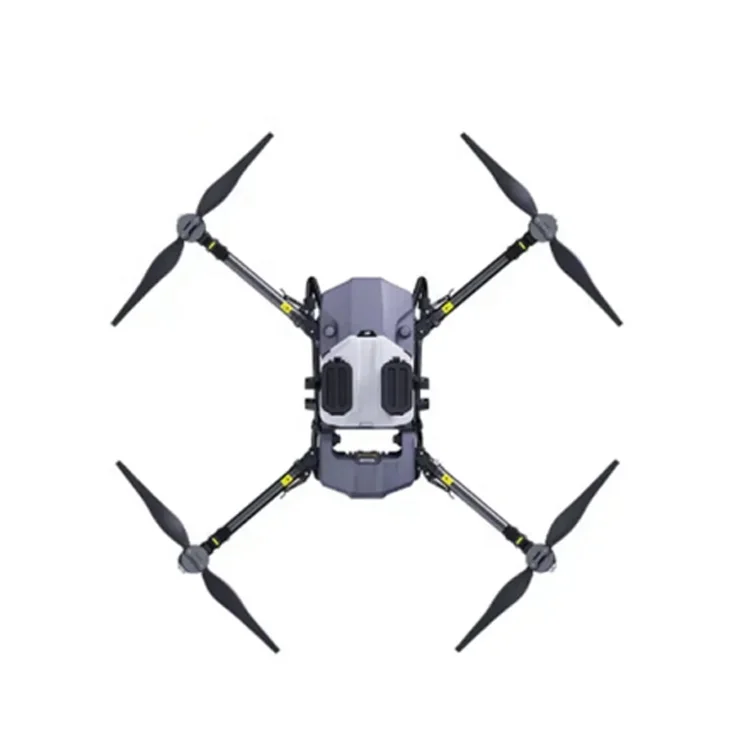
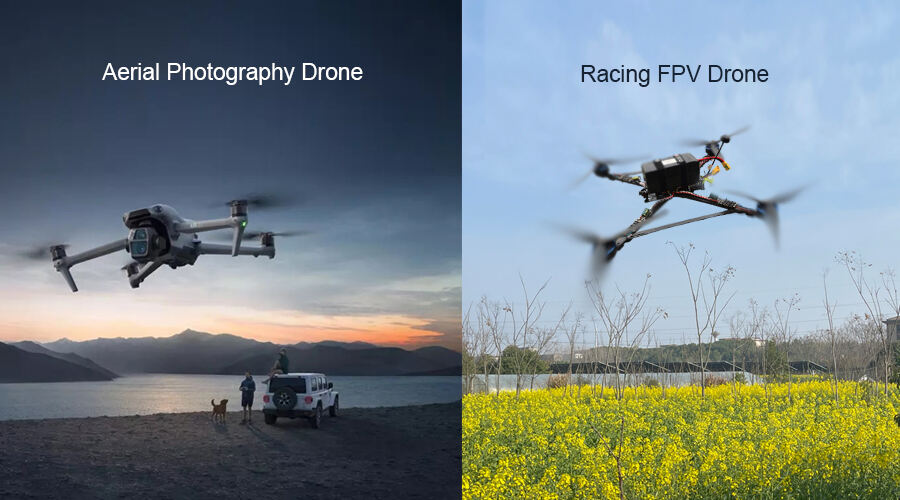
The difference between drones for taking pictures from above versus ones built for racing comes down largely to how their propellers are set up. For photography jobs, stability matters most so the camera stays level while capturing shots. That means photographers need certain types of props on their machines. Racing drones tell a different story altogether since they focus on going fast and making quick turns. Finding the right propeller combo involves playing around with both size and angle until things work just right for whatever task at hand. Most folks who fly these gadgets know that there's no one-size-fits-all solution here. Experts will tell anyone willing to listen that getting everything dialed in takes time and plenty of testing. Some might spend weeks tweaking settings before finding something that works well enough for either snapping clear photos or zipping through courses without crashing.
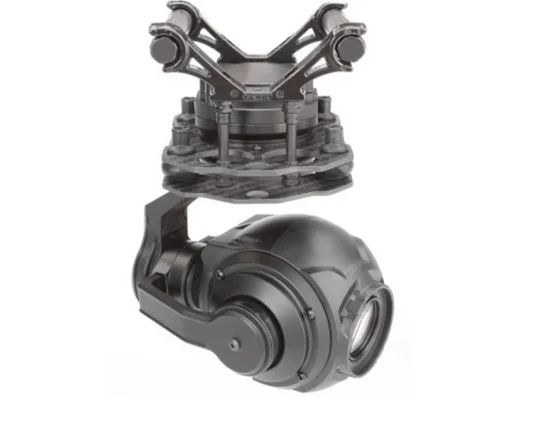
Getting propellers that work well with camera stabilizers matters a lot if we want good quality videos from our pro drones. When there's a mismatch between parts, the stabilization just doesn't work right and the footage suffers, something aerial photographers definitely don't want. Drone operators need to pick out certain propeller designs made from proper materials so they don't introduce extra torque that shakes the camera while flying. According to recent field reports, many pros skip checking these compatibility issues altogether, leading to roughly 30 percent of stabilization problems during actual filming sessions. These numbers really highlight why taking time to match components properly makes all the difference when it comes to getting stable, professional grade footage from drone setups.
Getting propellers balanced right makes a big difference in cutting down vibrations and keeping drones and cameras running longer. When propellers aren't balanced properly, they create drag and make flying feel rougher than it should be. Most experts suggest using dynamic balancing methods to check and adjust them, which cuts down on those annoying extra vibrations that mess with video shots. Drone manuals often stress how important regular balancing is for better video results since it helps keep frame rates steady and reduces those pesky visual artifacts. For anyone serious about aerial photography or videography work, balanced props aren't just nice to have they're basically required if good quality footage matters at all.
 Hot News
 EN
EN