Outrunner vs Inrunner Brushless Motor

All Categories

outrunner vs inrunner brushless motor

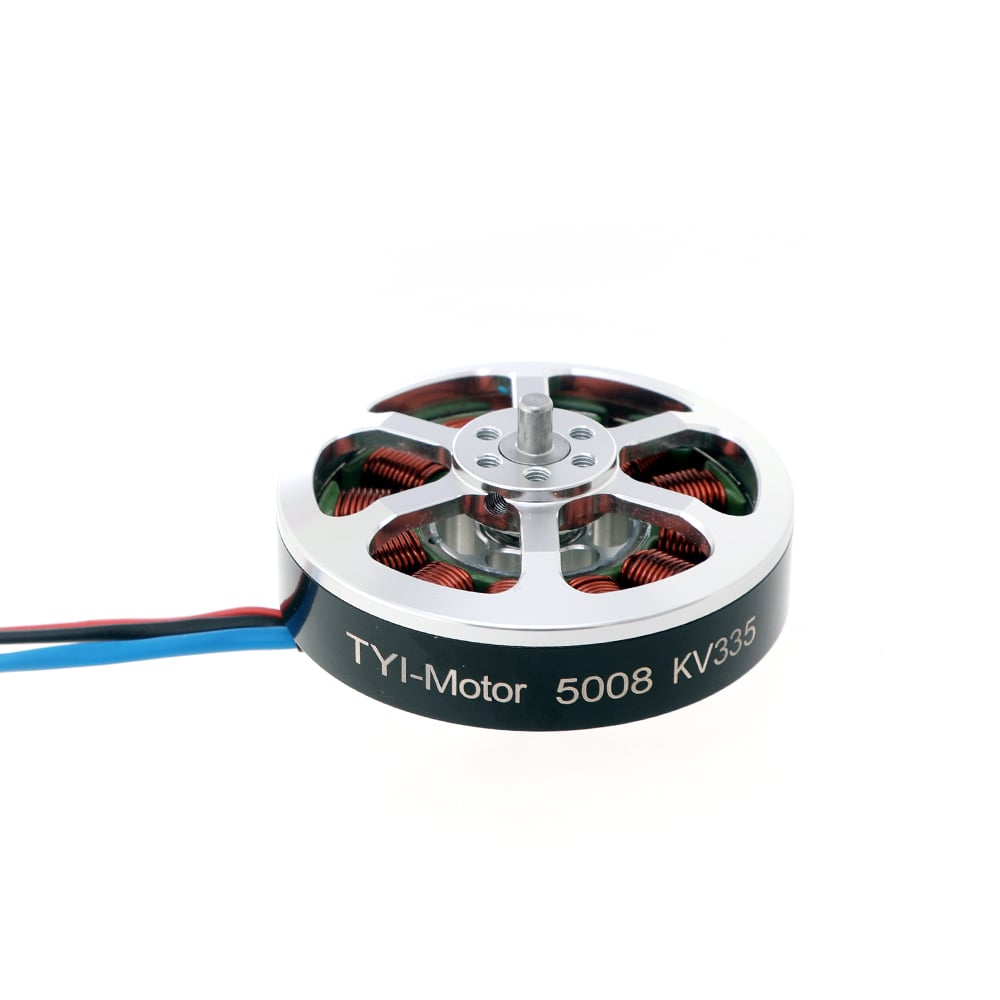
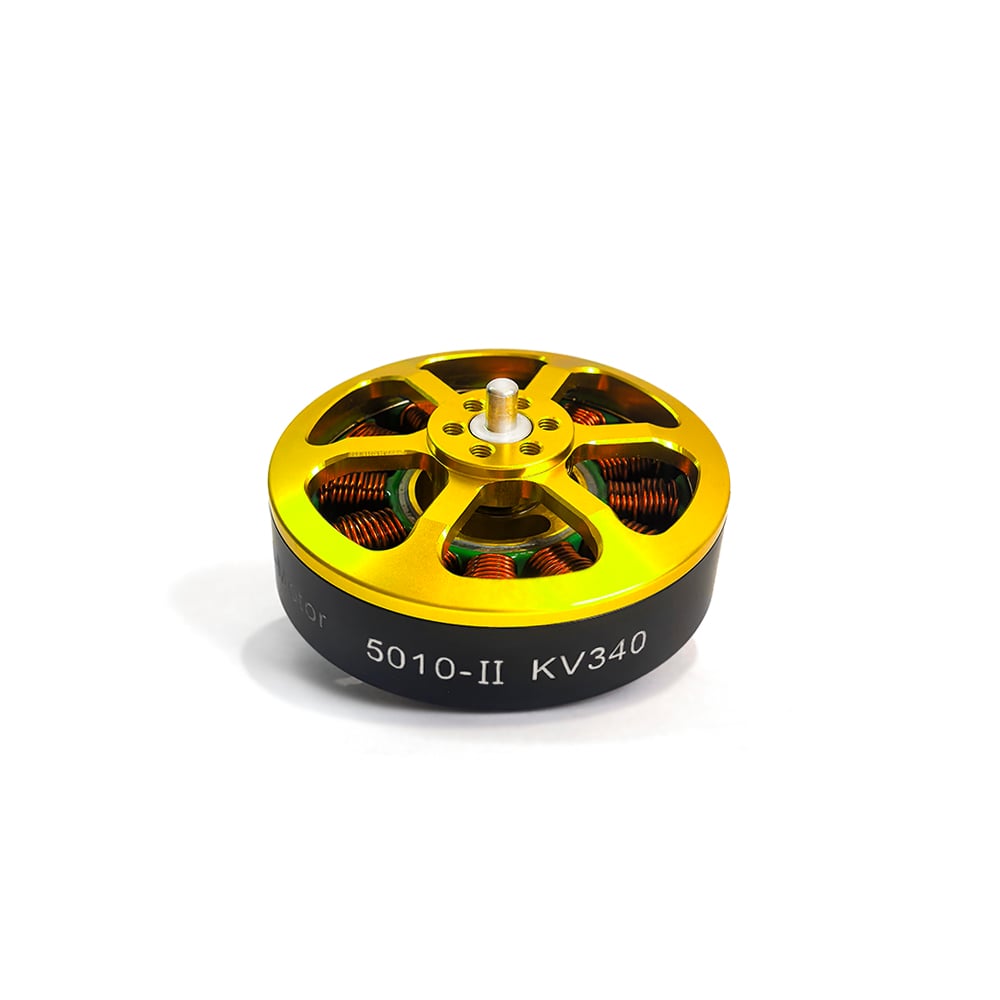
Understanding the outrunner vs inrunner brushless motor distinction is essential for selecting the right propulsion system for your application. These two motor configurations represent fundamentally different approaches to electric motor design, each offering unique operational characteristics. An outrunner brushless motor features a rotating outer shell that spins around a stationary core, delivering high torque at lower speeds. This design is particularly effective for applications requiring direct mechanical engagement. The outrunner vs inrunner brushless motor comparison reveals that outrunners excel in scenarios demanding maximum rotational force with minimal gearing requirements. Conversely, an inrunner brushless motor maintains a rotating inner shaft surrounded by stationary magnets. This configuration generates higher rotational speeds with moderate torque output. When evaluating outrunner vs inrunner brushless motor specifications, inrunners prove advantageous for applications requiring efficient high-speed performance. The outrunner vs inrunner brushless motor technology differs in construction complexity and cooling efficiency. Outrunner models feature enhanced heat dissipation through their rotating outer casing, extending operational lifespan. Inrunners compensate with compact form factors and superior weight-to-power ratios. Applications span from drone propulsion systems to electric vehicles, industrial automation, and consumer electronics. Understanding whether your project requires the outrunner vs inrunner brushless motor configuration determines overall system efficiency, power delivery, and maintenance requirements. Both designs employ brushless commutation for reduced wear and extended operational life compared to traditional brushed alternatives.

Popular Products

Choosing between the outrunner vs inrunner brushless motor requires understanding the practical benefits each configuration delivers. This comparison helps you make informed decisions aligned with your specific operational needs. Outrunner brushless motors deliver exceptional torque production at lower speeds without requiring additional gearboxes. This direct-drive capability reduces system complexity and mechanical losses. For applications like quadcopters, drones, and electric skateboard wheels, the outrunner vs inrunner brushless motor selection favors outrunners because they provide immediate rotational force when powered on. Inrunner brushless motors shine in applications demanding high rotational speeds with compact packaging. Their design creates smaller overall dimensions, making them ideal for space-constrained environments. The inrunner configuration maintains efficient performance across extended operational periods with superior weight distribution. When examining the outrunner vs inrunner brushless motor from an efficiency standpoint, both technologies offer superior performance compared to brushed motors. The outrunner vs inrunner brushless motor comparison shows that outrunners excel in thermal management through natural cooling via their rotating outer structure, while inrunners benefit from optimized electromagnetic efficiency at elevated speeds. Cost considerations also distinguish these options. Inrunner brushless motors typically feature lower manufacturing costs and simplified construction. For budget-conscious applications, understanding the outrunner vs inrunner brushless motor pricing helps identify the most economical solution. Maintenance advantages favor both designs equally. Brushless technology eliminates carbon brush wear found in traditional motors, significantly extending service intervals. Whether you select the outrunner vs inrunner brushless motor configuration, expect reduced downtime and minimal maintenance requirements throughout the operational lifespan.

Latest News

TYI Agriculture Drone - Advanced Precision for Modern Farming

14

Aug

TYI Agriculture Drone - Advanced Precision for Modern Farming

The TYI Agriculture Drone is designed to transform modern farming practices with its advanced technology and precision capabilities. This drone is equipped with high-resolution imaging systems that provide detailed aerial views of crops, allowing far...
View More
TYI Delivery Drone - Efficient and Reliable Package Delivery Solution

14

Aug

TYI Delivery Drone - Efficient and Reliable Package Delivery Solution

The TYI Delivery Drone is engineered to revolutionize package delivery with its advanced design and technology. Built to address the growing demand for efficient and reliable logistics solutions, this drone features a robust payload system capable of...
View More
High-Performance FPV Drone by TYI for Unmatched Aerial Views

14

Aug

High-Performance FPV Drone by TYI for Unmatched Aerial Views

TYI's FPV Drone is designed to provide an exceptional flying experience with its high-performance capabilities and advanced features. Engineered for enthusiasts and professionals alike, this drone integrates state-of-the-art first-person view (FPV) t...
View More

Get a Free Quote

Our representative will contact you soon.
Email
Name
Company Name
Message
0/1000

outrunner vs inrunner brushless motor

Superior Torque Delivery Without Gearing

Superior Torque Delivery Without Gearing

The outrunner vs inrunner brushless motor distinction becomes most apparent when evaluating torque characteristics. Outrunner brushless motors deliver substantial rotational force directly at the output shaft, eliminating the need for intermediate gearing systems in many applications. This direct-drive capability simplifies mechanical design while reducing energy losses typically introduced by reduction gearboxes. When comparing outrunner vs inrunner brushless motor torque profiles, outrunners produce peak force during initial acceleration phases, making them ideal for multirotor aircraft, electric propulsion systems, and direct-wheel applications. The structural design of outrunner brushless motors positions permanent magnets on the rotating outer shell, creating enhanced magnetic interaction with the stationary coil windings. This configuration generates force multiplication that inrunner designs cannot replicate at equivalent power levels. For applications requiring immediate response and sustained torque delivery, understanding the outrunner vs inrunner brushless motor advantages guides your selection process. Industries ranging from aerospace to consumer electronics recognize this torque superiority.
Compact Design with High-Speed Performance

Compact Design with High-Speed Performance

The inrunner brushless motor configuration excels in applications demanding elevated rotational speeds within confined spaces. When analyzing outrunner vs inrunner brushless motor specifications, inrunners achieve higher RPM outputs through their internal rotor structure combined with optimized electromagnetic principles. This design philosophy delivers compact form factors without sacrificing power output, making inrunners indispensable for electric vehicle applications, power tools, and industrial machinery. The outrunner vs inrunner brushless motor comparison reveals that inrunners maintain superior weight-to-power ratios, enabling designers to integrate powerful propulsion systems into lightweight platforms. The stationary outer casing of inrunner brushless motors facilitates efficient heat dissipation through convective cooling and direct contact with surrounding environments. This thermal management capability extends operational reliability during continuous-duty applications. For manufacturers prioritizing space efficiency and high-speed performance, evaluating outrunner vs inrunner brushless motor options consistently favors inrunner configurations. The structural rigidity and balanced mass distribution of inrunner designs also contribute to vibration reduction and smoother operation.
Enhanced Thermal Management and Reliability

Enhanced Thermal Management and Reliability

When comparing outrunner vs inrunner brushless motor thermal performance, both configurations offer distinct advantages aligned with application requirements. Outrunner brushless motors benefit from external cooling through their rotating outer shell, which naturally exposes a larger surface area to ambient air circulation. This passive cooling mechanism proves invaluable for applications operating in demanding environmental conditions requiring continuous heat rejection. The outrunner vs inrunner brushless motor analysis shows that outrunner designs maintain lower internal temperatures during sustained operation, extending winding lifespan and component durability. Inrunner brushless motors compensate through optimized internal airflow pathways and strategic cooling fin placement on rotor structures. Understanding the outrunner vs inrunner brushless motor thermal characteristics helps engineers predict operational reliability across temperature ranges. Both motor types incorporate brushless commutation technology, eliminating carbon brush degradation that compromises traditional motor longevity. This advancement significantly extends service intervals and reduces maintenance costs. For applications requiring extended operational lifespan with minimal downtime, both configurations deliver superior reliability compared to brush-based alternatives, making the outrunner vs inrunner brushless motor choice primarily dependent on speed and torque requirements.
Email Email Tel Tel TopTop

Related Search