brushless motor efficiency
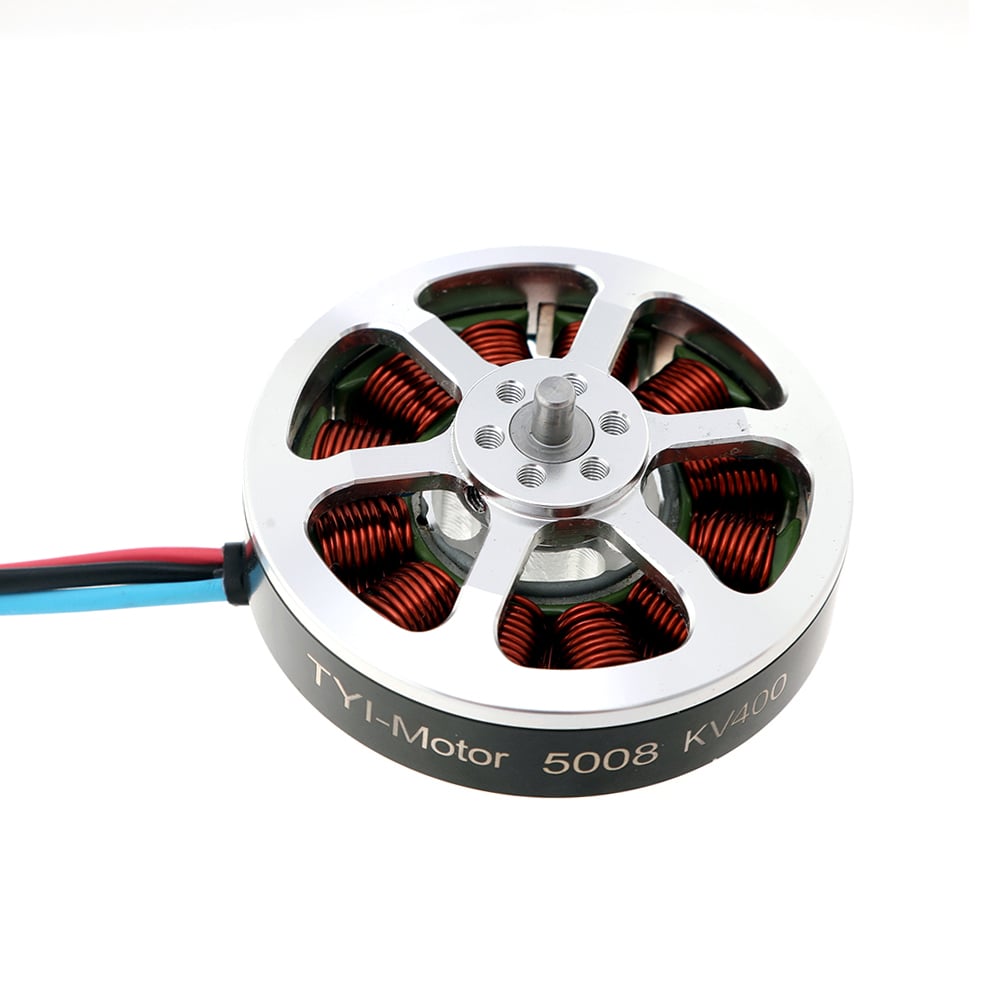
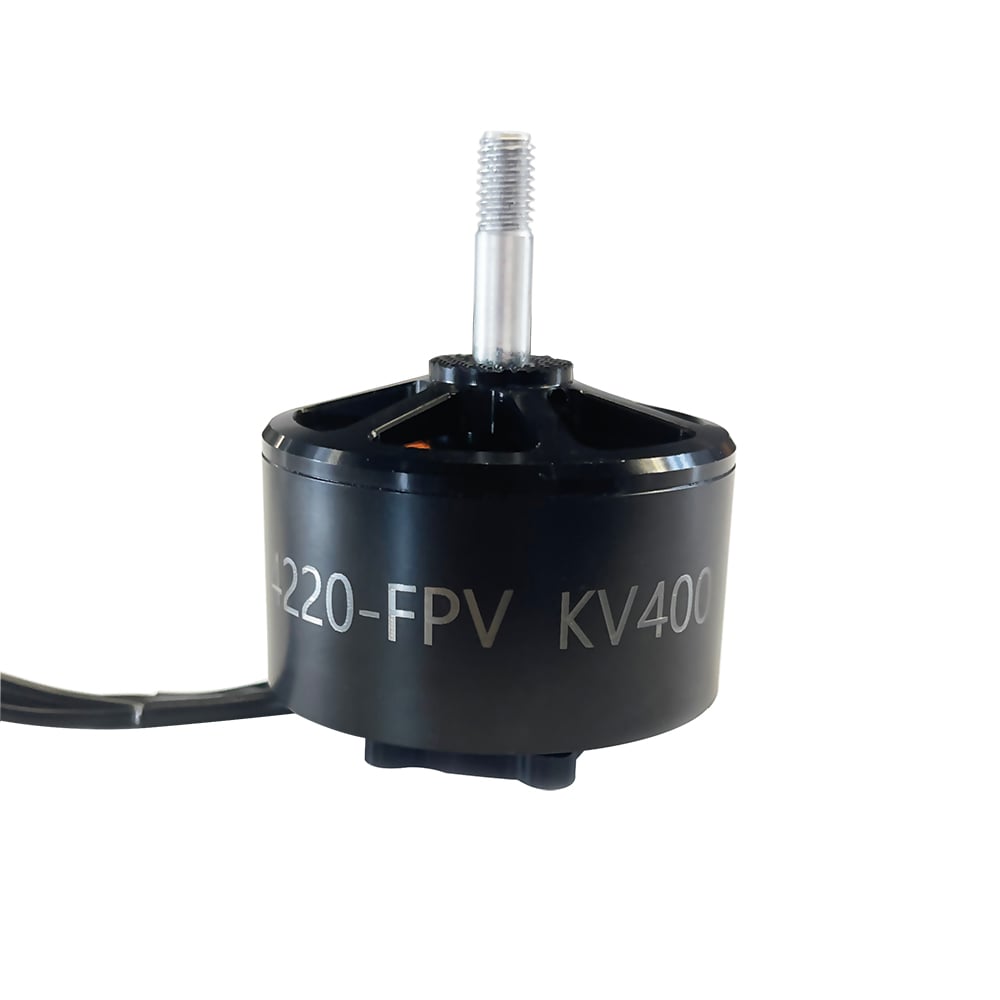
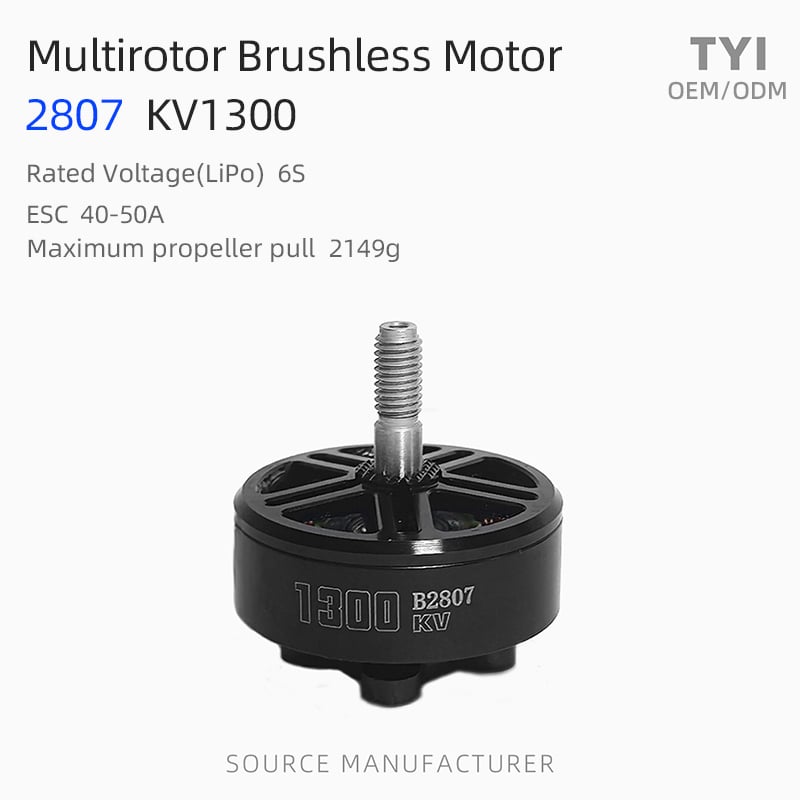
Brushless motor efficiency represents a revolutionary advancement in electric motor technology, delivering superior performance compared to traditional brush-based designs. These motors eliminate mechanical brushes entirely, replacing them with electronic commutation systems that optimize power delivery and reduce energy waste. The brushless motor efficiency stems from its sophisticated construction, featuring permanent magnets and electronically controlled coils that work in perfect synchronization. This technology ensures minimal friction losses and heat generation, making brushless motors ideal for demanding applications requiring consistent, reliable operation. The main functions of brushless motor efficiency include precise speed control, extended operational lifespan, and reduced maintenance requirements. Technological features include Hall effect sensors or sensorless detection systems that enable seamless commutation without physical contact between components. These advanced features contribute directly to brushless motor efficiency by maximizing torque output while minimizing energy consumption. Applications span across diverse industries, from consumer electronics and power tools to electric vehicles and industrial automation equipment. The design eliminates carbon brush wear, a common failure point in conventional motors, thereby dramatically extending service intervals and reducing total cost of ownership. Brushless motor efficiency makes these systems particularly valuable for continuous-duty applications where reliability and energy conservation are paramount. Modern brushless motor efficiency standards have become the benchmark for performance-critical applications worldwide, reflecting industry recognition of their superior capabilities and environmental benefits.

 EN