brushless motor working principle
The brushless motor working principle represents a revolutionary advancement in modern electric motor technology. Unlike traditional brushed motors, the brushless motor working principle operates without physical brushes, utilizing electronic commutation to control power delivery to the motor windings. This innovative brushless motor working principle eliminates friction and wear, resulting in superior performance and longevity.
At its core, the brushless motor working principle relies on permanent magnets rotating around stationary electromagnets. A controller monitors the rotor position through sensors and switches power to different motor windings at precise intervals. This process creates a rotating magnetic field that drives the rotor forward continuously.
The main functions of the brushless motor working principle include efficient energy conversion, precise speed control, and reliable operation across demanding applications. Technological features that define the brushless motor working principle encompass electronic speed controllers, Hall effect sensors for position detection, and advanced commutation algorithms. These elements work together to optimize performance.
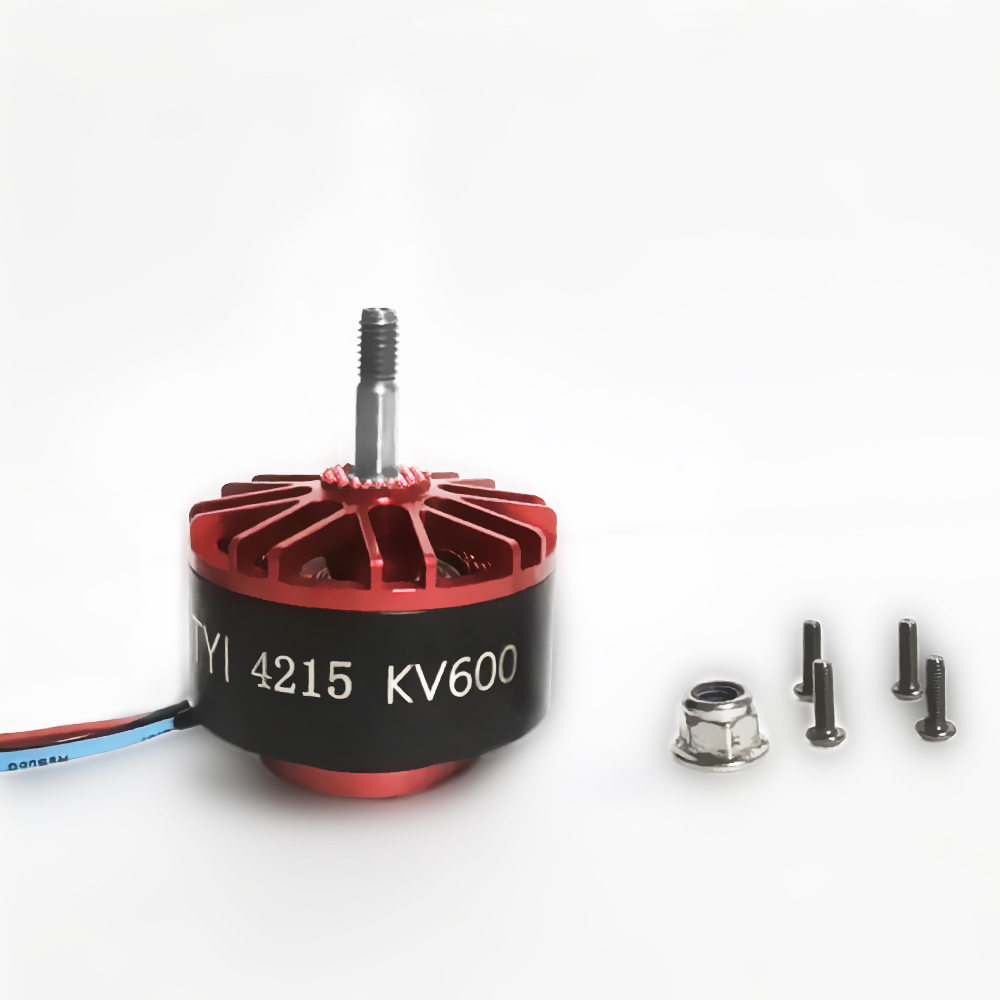
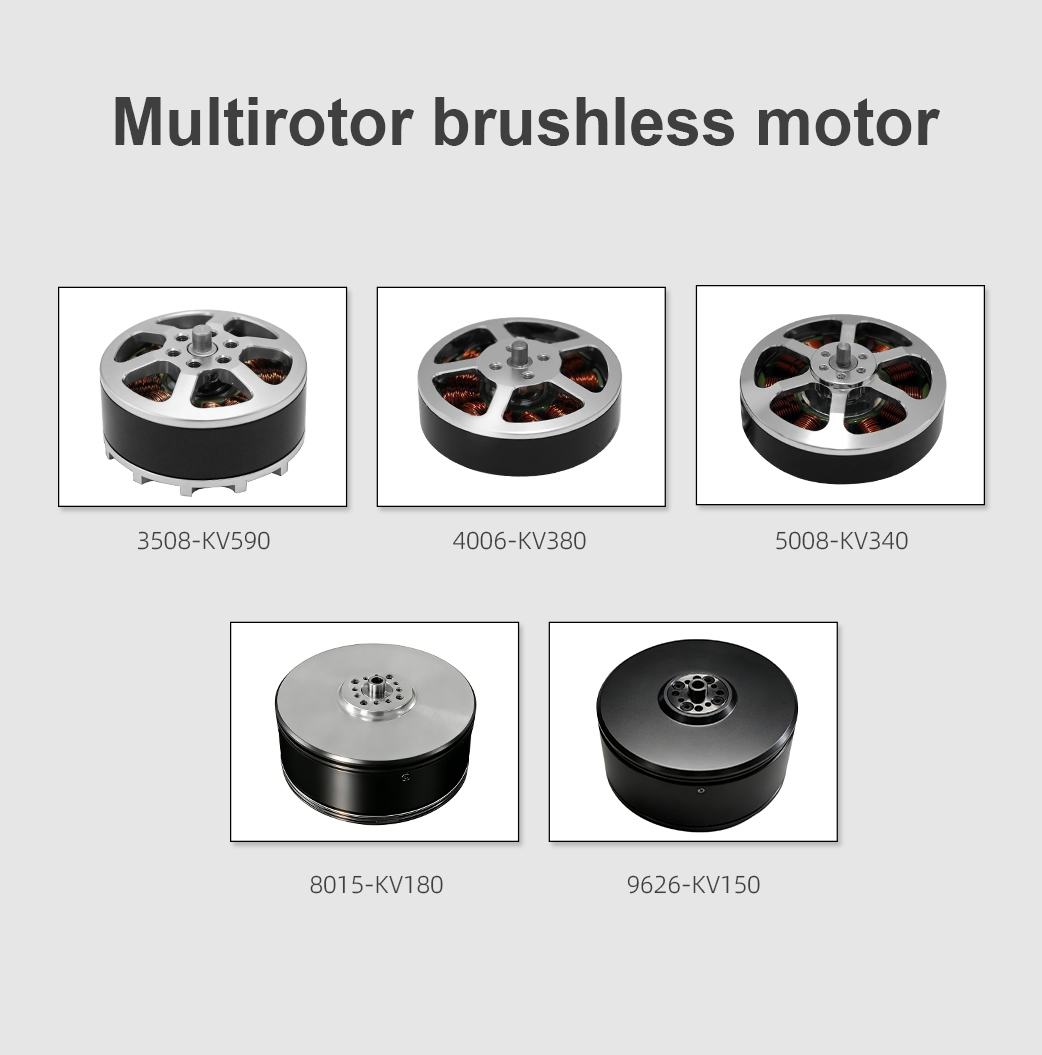
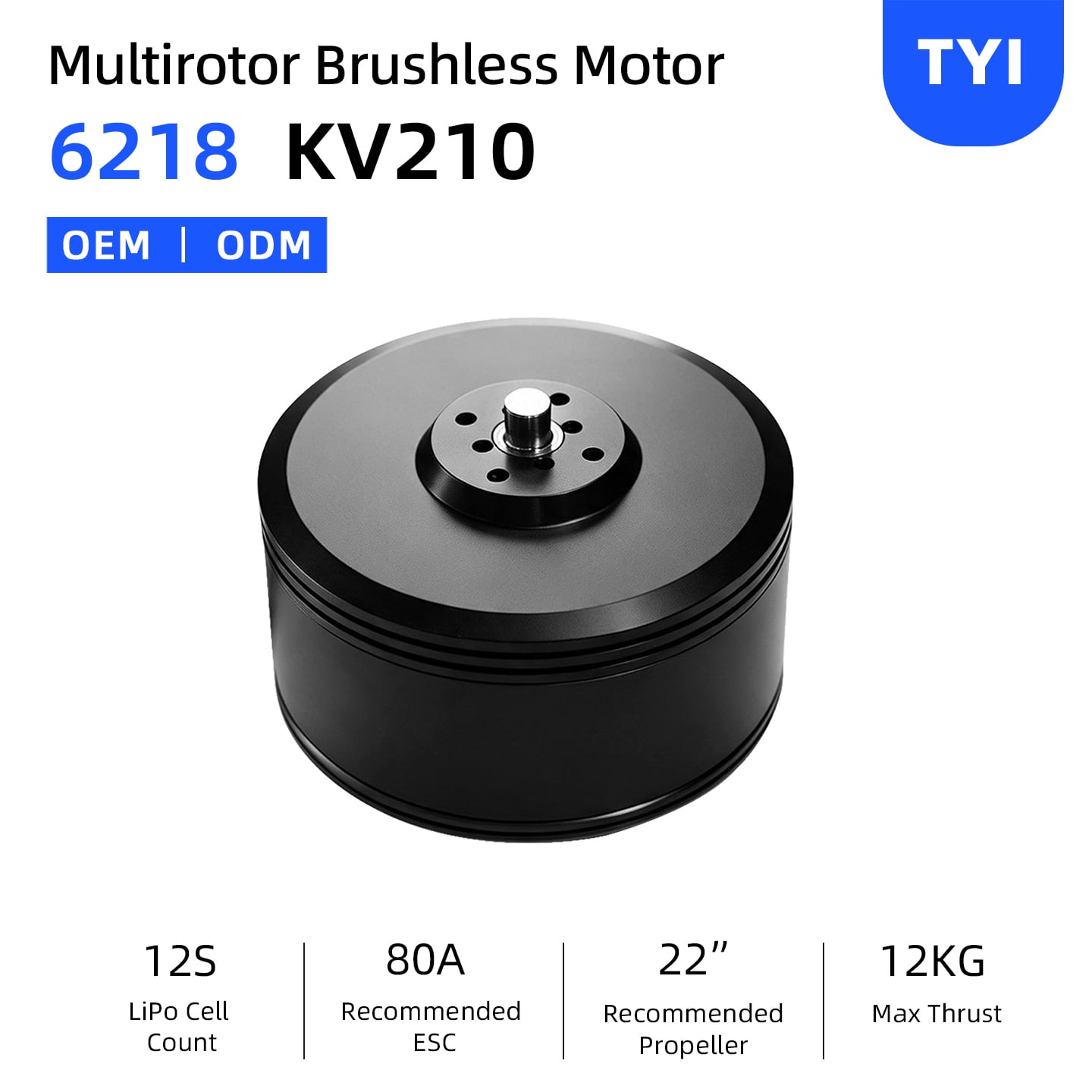
Applications of the brushless motor working principle span numerous industries. Drones utilize this technology for agile flight control, while electric vehicles depend on brushless motor working principle systems for powerful propulsion. Medical devices, industrial automation, and consumer electronics all benefit from the reliability and efficiency offered by the brushless motor working principle. Its widespread adoption reflects growing recognition of superior performance and cost-effectiveness in demanding environments.

 EN