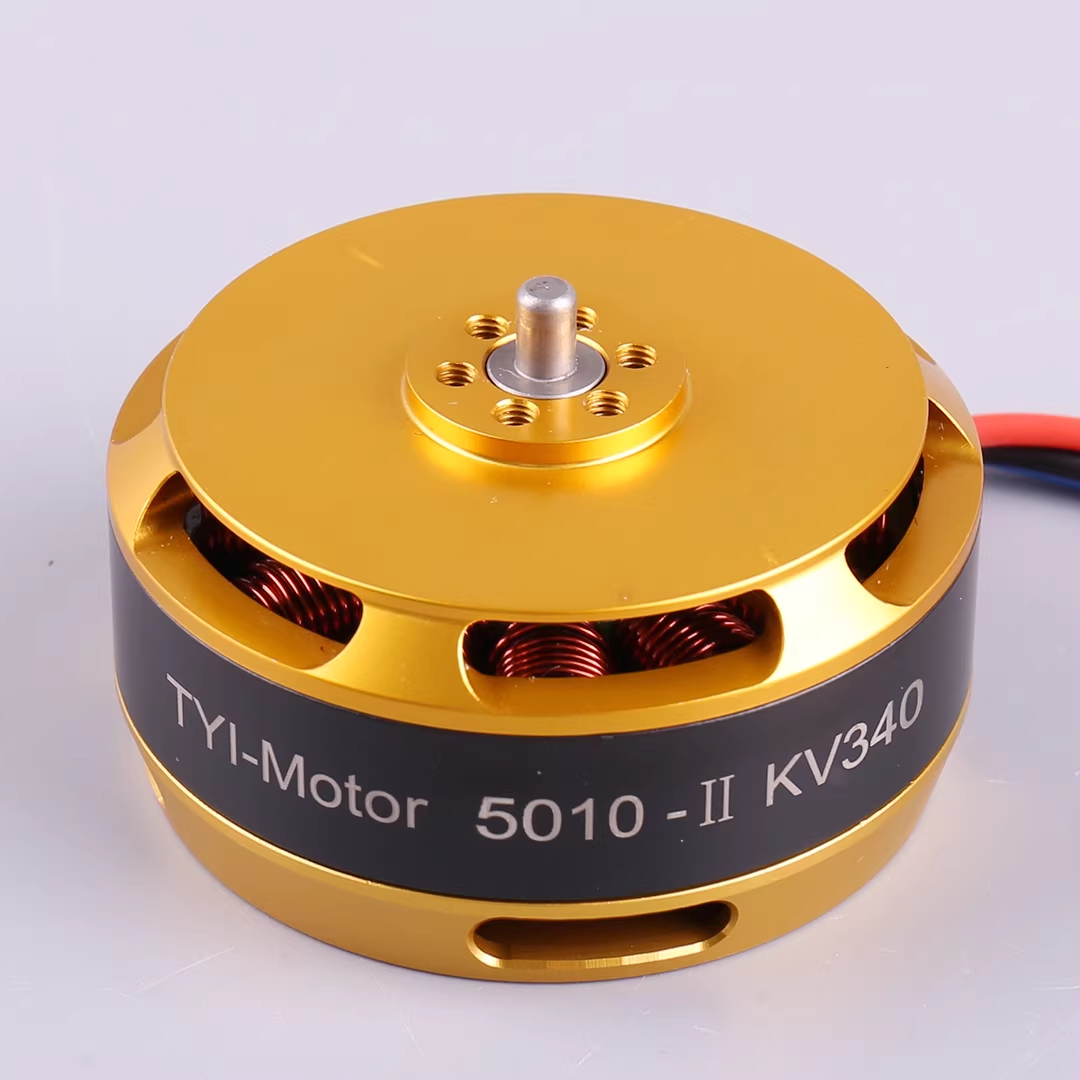
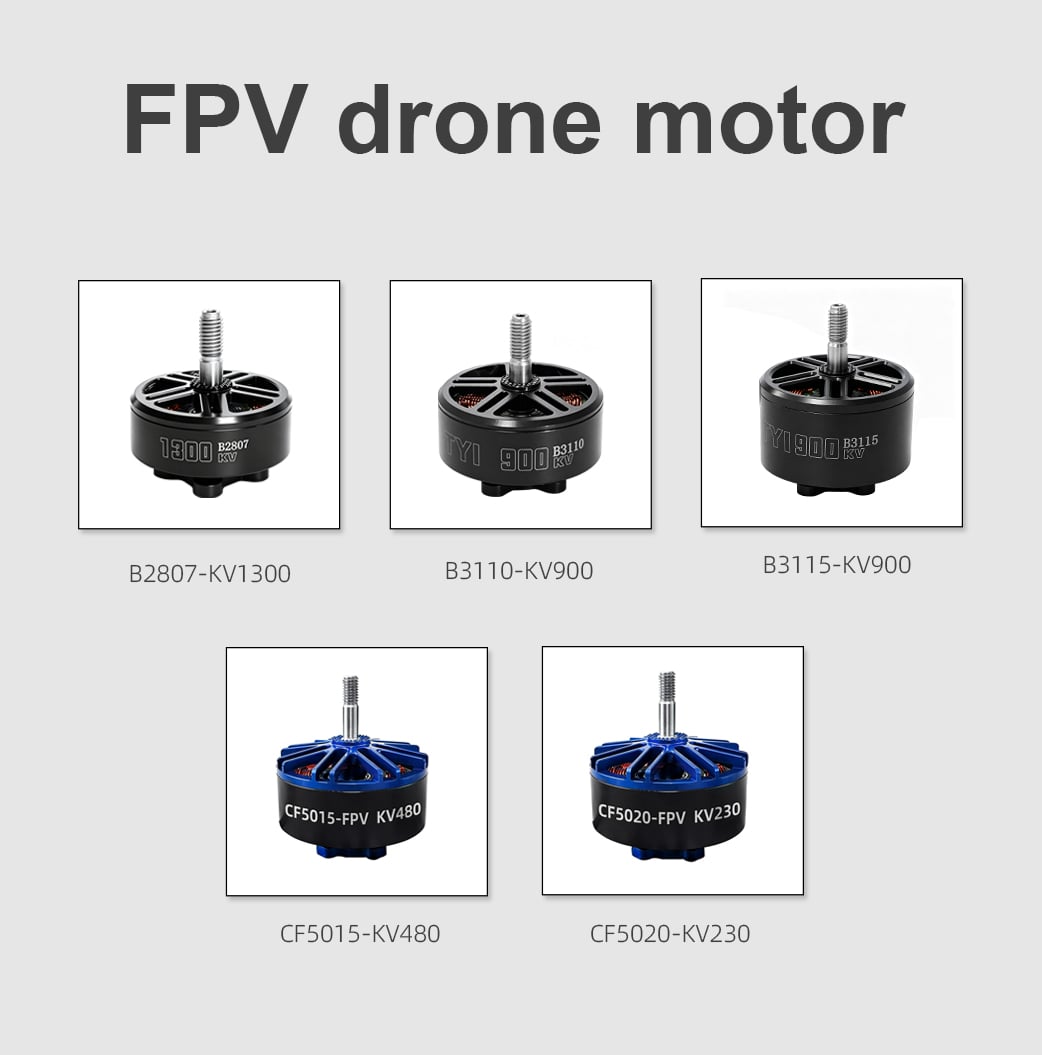
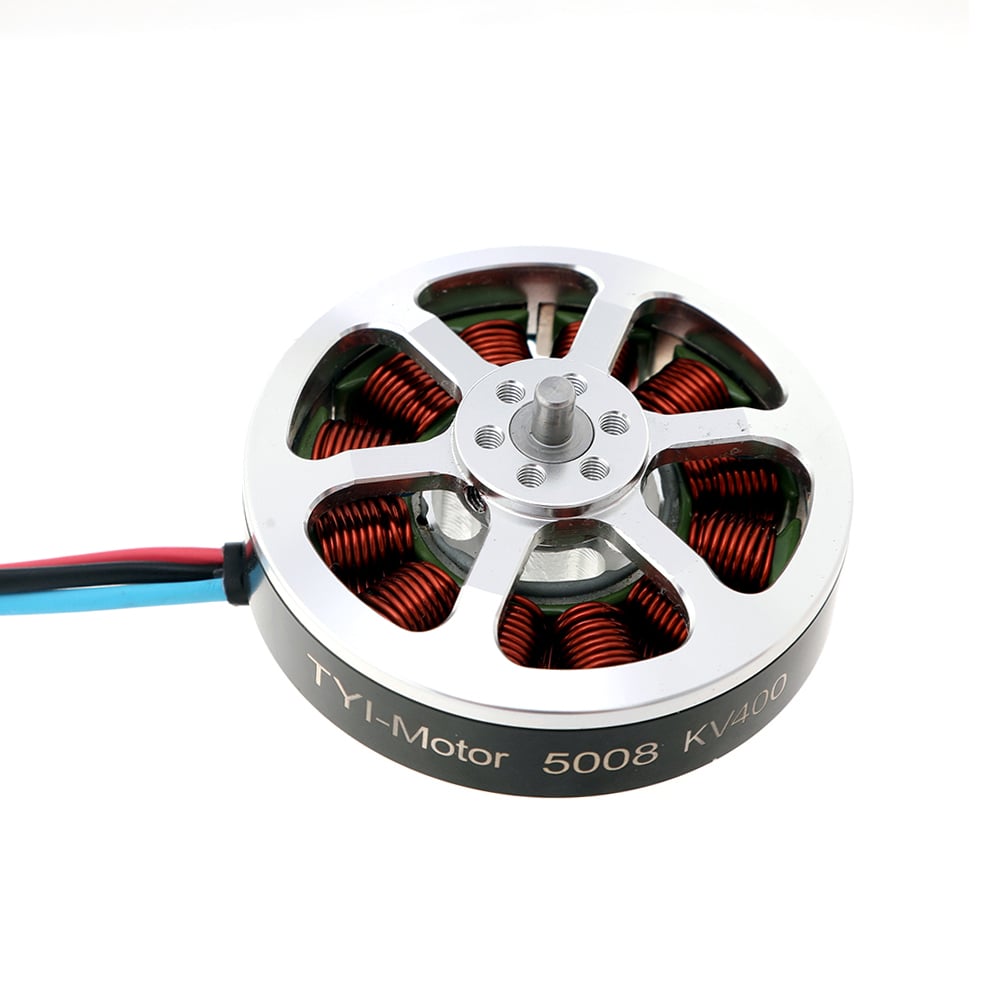
brushless motor specification
A brushless motor specification defines the technical parameters and performance characteristics of electric motors that operate without traditional carbon brushes. These motors use electronic commutation instead of mechanical brushing systems, making them ideal for modern applications requiring efficiency and reliability. Understanding brushless motor specification is essential for selecting the right motor for your specific needs.
The brushless motor specification includes critical details such as voltage rating, power output, speed range, torque characteristics, and efficiency levels. These motors feature permanent magnets and electronally controlled windings that eliminate friction and wear associated with brushes. The brushless motor specification determines how the motor performs under various operating conditions, including temperature tolerance, load capacity, and response time.
Key technological features within any brushless motor specification encompass advanced commutation systems, thermal management capabilities, and electromagnetic design optimization. Modern brushless motor specification standards ensure consistent performance across industrial, commercial, and consumer applications. The specification details power delivery mechanisms, ensuring motors operate within safe parameters while maximizing output efficiency.
Applications for brushless motor specification technology span numerous industries including robotics, aerospace, electric vehicles, HVAC systems, and precision manufacturing equipment. The detailed brushless motor specification allows engineers to match motor capabilities with application demands accurately. Whether you need compact designs for space-constrained environments or high-power units for demanding industrial processes, reviewing the complete brushless motor specification ensures optimal performance and longevity of your equipment.

 EN