uav frame
A UAV frame represents the structural backbone of an unmanned aerial vehicle, serving as the foundational platform upon which all other components are mounted. The UAV frame is engineered to support motors, propellers, batteries, cameras, sensors, and flight control systems while maintaining optimal weight distribution and aerodynamic efficiency. Understanding what constitutes a quality UAV frame is essential for anyone looking to build or operate sophisticated aerial systems.
The primary function of a UAV frame is to provide structural integrity and stability during flight operations. A well-designed UAV frame ensures that all components remain securely positioned, preventing component failure and maintaining safe flight characteristics. The technological features of a modern UAV frame include lightweight composite materials such as carbon fiber, advanced manufacturing techniques, and precision engineering that minimize vibration and maximize durability.
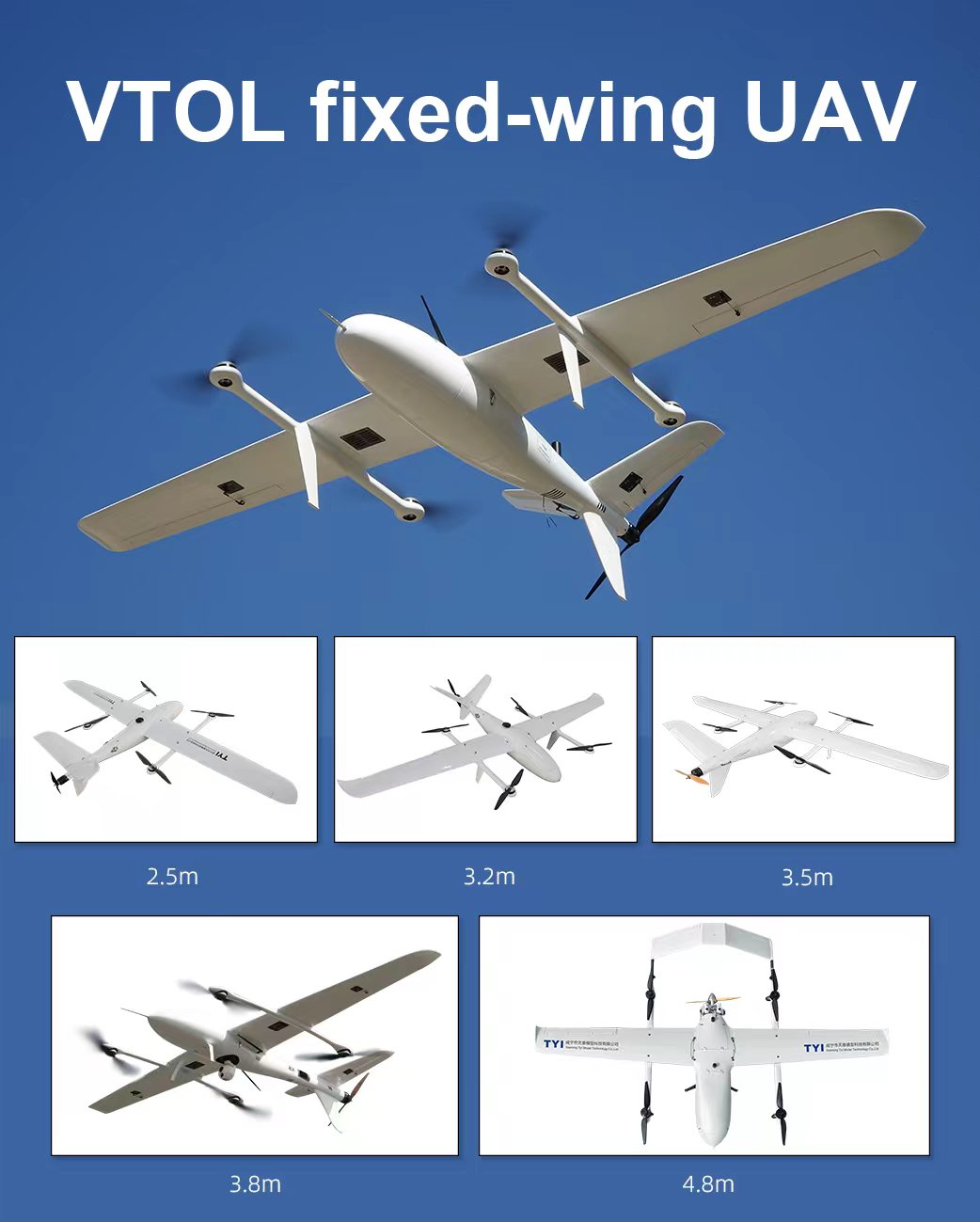
Applications for UAV frame technology span numerous industries and use cases. Commercial UAV frame designs are utilized in photography, videography, surveying, mapping, inspection, and agricultural monitoring. Industrial applications include infrastructure inspection, search and rescue operations, environmental monitoring, and package delivery systems. The UAV frame architecture directly influences payload capacity, flight time, speed capabilities, and overall mission effectiveness.
Modern UAV frame designs incorporate multiple arms or booms that distribute structural loads effectively. The configuration and material composition of a UAV frame determine its resilience against environmental factors, impact resistance, and operational longevity. Whether for professional drone operations or recreational flying, selecting an appropriate UAV frame is fundamental to achieving mission objectives and ensuring reliable performance in diverse environmental conditions.

 EN