fpv
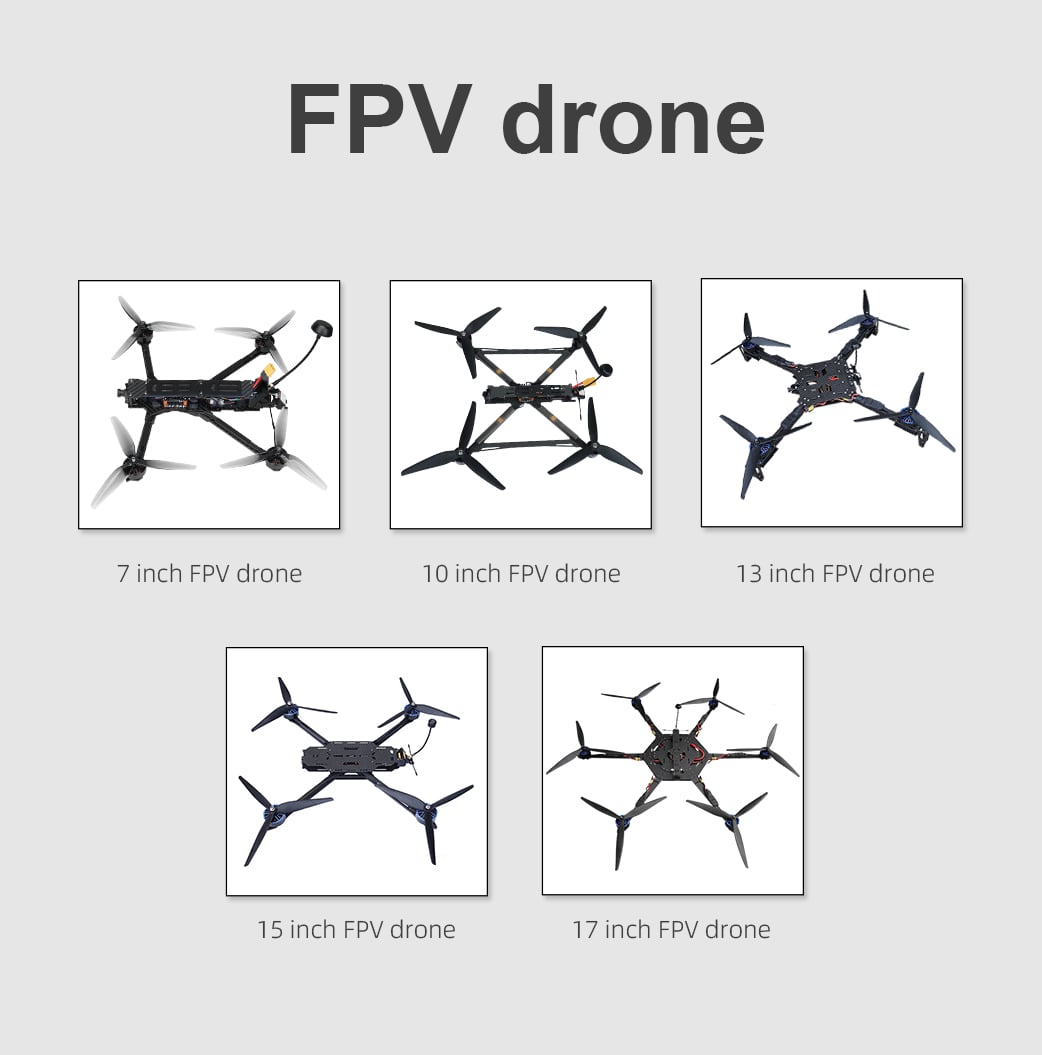
FPV, or First-Person View, represents a transformative technology that delivers immersive real-time video streaming directly to operators. FPV systems enable users to see through the camera mounted on unmanned devices, creating an unparalleled sense of presence and control. The core function of FPV technology involves capturing high-definition video from a remote device and transmitting it wirelessly to a headset, monitor, or mobile device, allowing operators to navigate and control their equipment as if they were physically present at the location.
The technological features of FPV systems include low-latency video transmission, typically ranging from 50 to 150 milliseconds, ensuring responsive control without perceptible delays. Advanced FPV setups incorporate HD or 4K cameras, digital signal processing, and encrypted wireless protocols for secure communication. Modern FPV technology utilizes frequency-hopping spread spectrum technology to minimize interference and enhance reliability across various environments.
Applications for FPV extend across numerous industries and recreational pursuits. Professional sectors leverage FPV for drone cinematography, infrastructure inspection, search and rescue operations, and agricultural monitoring. FPV racing has emerged as a competitive sport where pilots navigate obstacle courses at high speeds using FPV equipment. Additionally, FPV technology serves military reconnaissance, industrial maintenance, and hobbyist drone piloting communities. The versatility of FPV systems continues expanding as technology advances and costs decrease, making FPV accessible to enthusiasts and professionals alike across diverse fields and applications.

 EN