
 EN
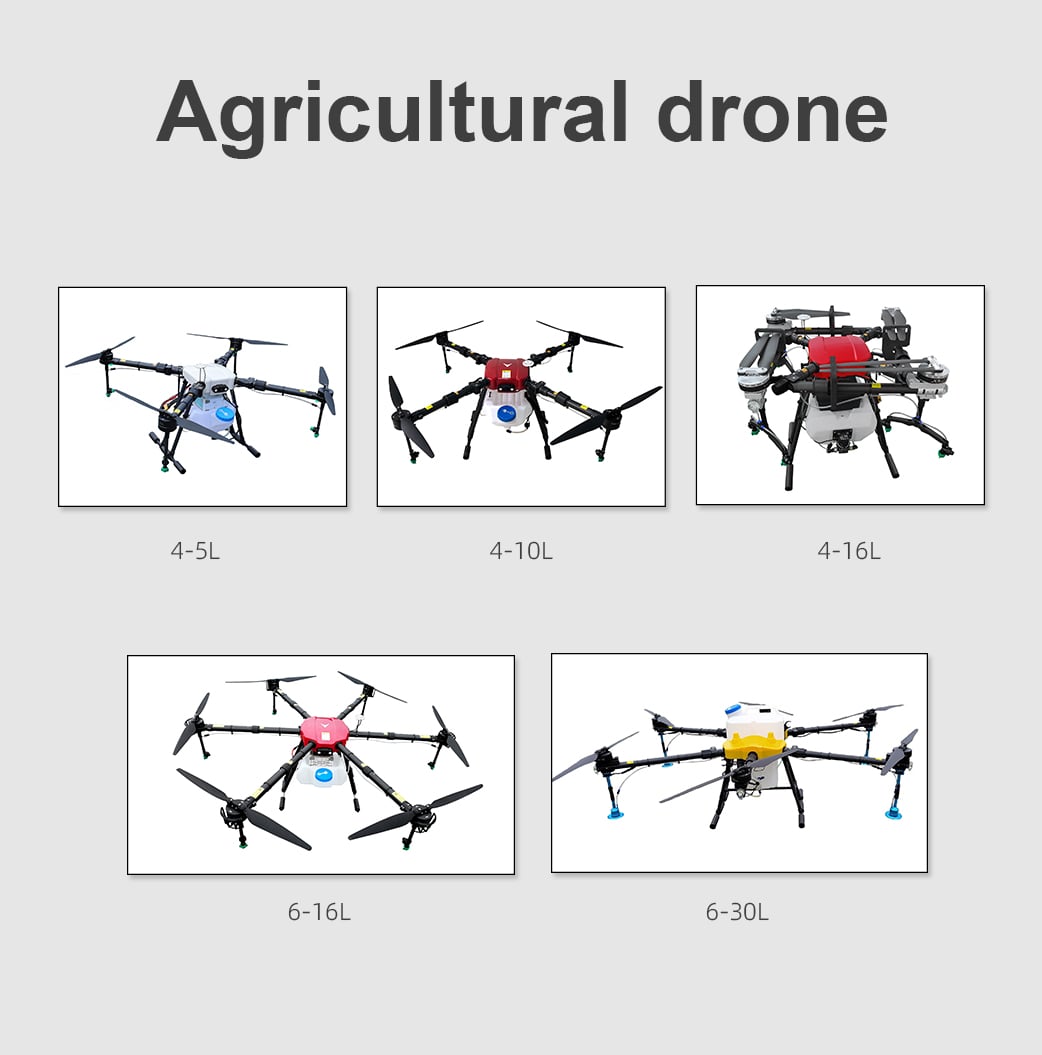
A spray drone needs regular cleaning, inspection, calibration, and careful battery management to remain ready for agricultural work. Spray drone maintenance is not a single end-of-season task; it is a routine built around each operating day, the liquid being applied, and the conditions in the field. A consistent process helps catch wear and contamination before they interrupt a scheduled application.

The practical requirements vary with tank design, pump and nozzle configuration, battery type, and manufacturer guidance. Still, spray drone maintenance generally follows the same logic: remove residues, inspect critical parts, verify system operation, and document any repairs. This guide explains what to check before, during, and after use, and how to adapt the routine when the drone is stored between seasons.
Daily care before and after spraying
Clean the application system after use
Rinse the tank, hoses, filters, and nozzles as soon as the application is complete, following the chemical label and equipment instructions. Spray drone maintenance should prevent dried product from restricting flow or reacting with a later mixture. Use a suitable cleaning procedure, direct rinse water to an approved location, and never assume that a visually clear tank is residue-free.
Remove and inspect accessible filters and nozzle components where the manual permits. Spray drone maintenance includes checking for deposits, cracks, blockage, and uneven wear rather than clearing a nozzle with wire or other tools that could damage its opening. Refit parts securely, flush the system with clean water, and confirm that liquid drains without leaks.
Inspect the airframe and moving parts
Look over arms, fasteners, landing gear, propellers, guards, and wiring before each work period. Spray drone maintenance means checking for cracks, looseness, abrasion, and chemical exposure, especially around joints and cable entry points. A damaged propeller or loose fitting should be addressed according to the manufacturer’s service instructions before flight, not monitored while carrying a full tank.
After landing, check again for fresh damage, residue, and unusual heat or odor near electrical components. Spray drone maintenance is more effective when operators record a finding immediately, including the affected component and action taken. These notes help distinguish recurring issues from isolated events and make handovers clearer when several people operate the same aircraft.
System checks that protect application quality
Verify pumps, flow, and nozzles
Before spraying, inspect pump connections, tubing, seals, and fittings for leaks or kinks. Spray drone maintenance should include a controlled flow test using the procedure in the manual, with the aircraft secured and the area managed safely. Confirm that the pump starts and stops as expected, and investigate irregular flow rather than compensating with unverified settings.
Nozzle output affects whether an application matches its planned rate and coverage, so keep nozzle type and condition consistent with the job requirements. Spray drone maintenance calls for replacing worn or damaged parts with compatible components and checking that all outlets behave consistently. If flow differs between nozzles, clean and retest them before considering changes to flight speed or application settings.
Check sensors, controls, and calibration
Confirm that the controller, positioning system, obstacle sensors, and other installed electronics report normally before a mission. Spray drone maintenance includes checking connectors and cable routing for moisture, impact damage, or looseness. Follow the specified calibration sequence when required, and do not launch if a warning remains unexplained or a critical reading appears inconsistent.
Verify the tank level reading and application controls against the equipment instructions, especially after repairs or software changes. Spray drone maintenance should also include a brief unloaded functional check so operators can notice unfamiliar vibration, delayed response, or unexpected alarms. Record calibration dates and any adjustments, since traceable settings support repeatable work across different operators and fields.
Battery, records, and storage requirements
Manage batteries and charging safely
Inspect each battery for swelling, cracks, damaged terminals, contamination, or abnormal temperature before charging and before flight. Spray drone maintenance requires using the approved charger and observing the battery maker’s limits for charging, discharging, and storage. Keep batteries away from moisture and combustible materials, and isolate any unit showing damage instead of returning it to routine service.
Allow batteries to cool as directed after demanding flights, and avoid leaving them fully charged or deeply discharged for extended periods unless the instructions specify otherwise. Spray drone maintenance should include recording battery identification, cycle or use history where available, and unusual performance changes. This information helps teams rotate packs sensibly and recognize when a battery needs professional assessment.
Keep service records and prepare for downtime
Maintain a simple log of flight hours, cleaning, inspections, component replacements, software updates, and unresolved faults. Spray drone maintenance records make recurring leaks, vibration, or battery concerns easier to identify before the next busy application window. Include who completed the check and whether the aircraft was cleared for use, so maintenance status is visible to the whole operating team.
For longer storage, clean and dry the aircraft and application system fully, then protect it from dust, moisture, temperature extremes, and accidental impact. Spray drone maintenance at the end of a season should also include removing residues, checking exposed parts, and preparing batteries according to their specific storage guidance. Before returning to work, repeat the preflight inspection and any required calibration rather than relying on last season’s checks.
FAQ
How often should a spray drone be cleaned?
Clean the application system after each spraying session, using the approved procedure for the product and equipment. Spray drone maintenance also includes cleaning exterior surfaces when residues or dirt are present, while avoiding water exposure to components not rated for it.
What should operators inspect before every flight?
Check the airframe, propellers, fasteners, wiring, batteries, tank fittings, and system warnings before launch. Spray drone maintenance should include a functional review of controls and application components, with any unexplained fault resolved before carrying liquid.
Does a spray drone need maintenance during seasonal storage?
Yes. Prepare the aircraft and fluid path for clean, dry storage, and follow the battery maker’s storage instructions. Spray drone maintenance resumes with a complete inspection, system test, and required calibration before the next application period.


