
 EN
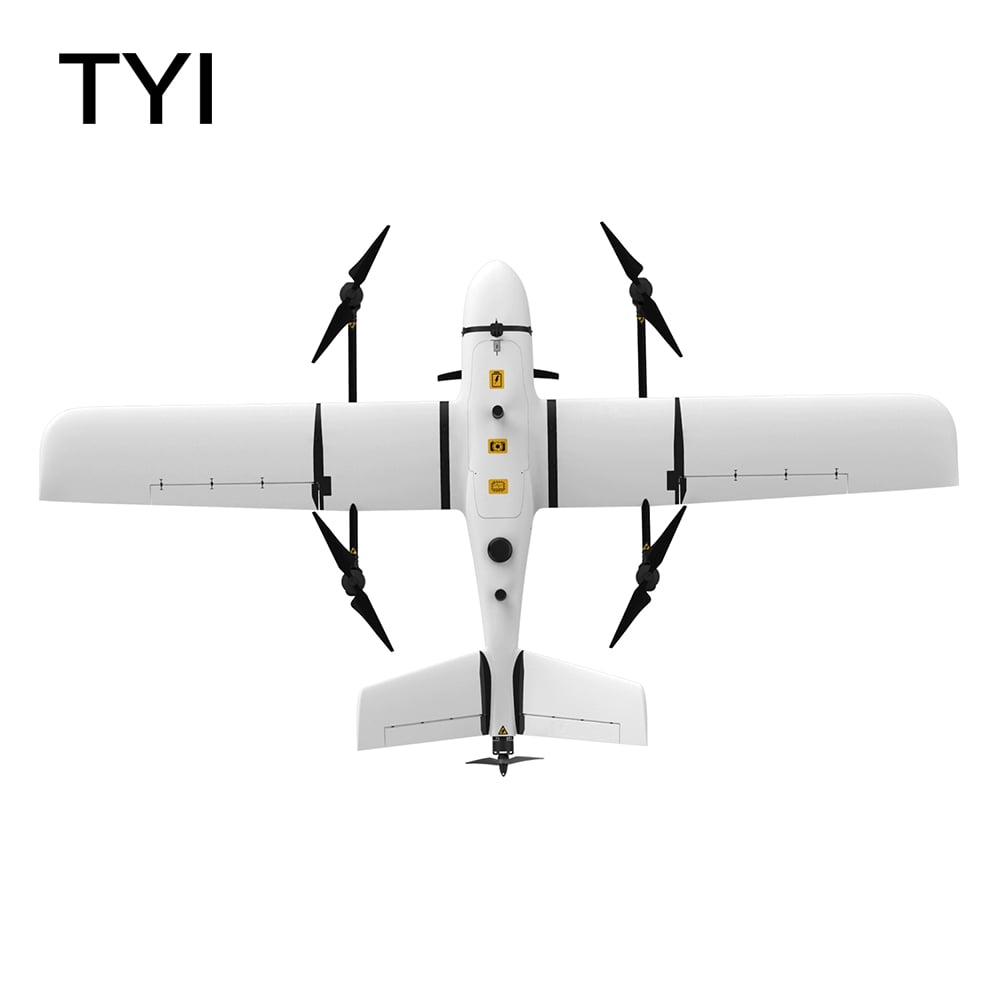
VTOL aircraft take off and land vertically, then use a different flight mode or configuration to travel efficiently through the air. This combination makes VTOL useful where runways are unavailable, access is restricted, or a mission needs both precise positioning and broader area coverage. The main applications of VTOL range from aerial surveying and infrastructure inspection to emergency response, agriculture, and cargo movement. Understanding where VTOL fits begins with the demands of each operation.
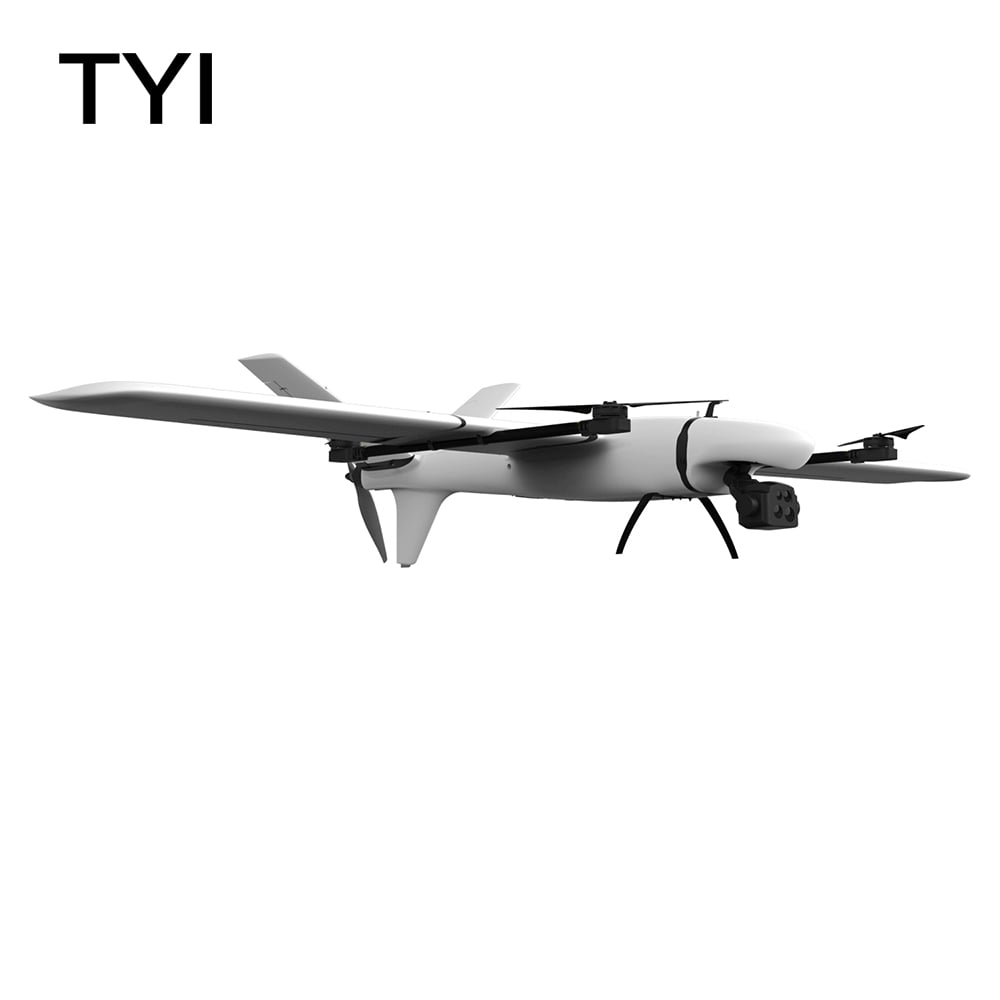
The right VTOL platform depends on payload, endurance, operating environment, and the detail a task requires. Some missions benefit from hovering near a structure, while others need a VTOL aircraft to cover long corridors or large sites after launch from a compact area. The applications below explain why organizations use VTOL, what each mission involves, and which practical constraints matter when planning deployment.
Surveying and mapping across difficult terrain
Large-area aerial data collection
Survey teams use VTOL aircraft to collect imagery and geospatial data over mines, construction zones, farmland, and remote land parcels. Vertical launch can reduce dependence on prepared runways, while forward flight allows the aircraft to follow planned lines across a site. This is useful when crews need consistent coverage but cannot easily move equipment between launch points. For mapping, the VTOL payload may include a camera or another sensor suited to the required resolution and output. Flight plans should account for terrain, wind, airspace rules, and safe recovery space. A VTOL system can make field logistics more flexible, but reliable mapping still depends on calibration, overlap, and sound data processing.
Linear and remote route surveys
Roads, railways, pipelines, and transmission corridors create a different surveying challenge: the area is long and narrow, and access may be limited at multiple points. VTOL aircraft can launch near a suitable work area, then travel along a corridor to gather images or inspection data. This can reduce the need to establish a conventional runway at every location, although operators still need approved launch and landing sites. A VTOL mission can help teams identify route changes, surface issues, or areas for closer inspection. The deliverable is most useful when the flight plan matches the client’s mapping requirements and ground control procedures. Weather and communications coverage remain important operational limits.
Inspection and monitoring of industrial assets
Infrastructure inspection with site access constraints
Industrial operators apply VTOL aircraft to inspect bridges, power lines, renewable energy sites, and other assets that are difficult to reach on foot. Vertical takeoff helps crews work from limited clearings, while the aircraft can cover the distance between structures or along an asset network. Camera imagery can reveal visible damage, surface changes, or maintenance needs for a qualified team to assess. In some cases, VTOL flight can reduce the need to place personnel directly in hazardous or elevated locations, but it does not replace required safety procedures. Operators must define standoff distances, routes, and emergency actions. The VTOL platform and sensor should be selected around asset geometry and inspection objectives.
Routine observation and change detection
Repeated VTOL flights can support monitoring programs where organizations need comparable records over time. Examples include construction progress, land movement, coastal change, and condition checks around industrial facilities. Consistent routes, camera settings, altitude, and timing make successive datasets easier to compare. A VTOL aircraft can be particularly practical when a site has no runway and the survey area extends beyond a small hovering radius. Still, operators should avoid assuming that aerial imagery alone confirms a fault; engineering review and ground verification may be necessary. A structured VTOL monitoring plan defines what to capture, how often to fly, who reviews findings, and how urgent observations are escalated.
Emergency response, agriculture, and logistics
Situational awareness during emergency operations
Emergency teams may use VTOL aircraft to observe flood zones, wildfire perimeters, storm damage, or remote search areas. A vertical launch can be helpful when roads are blocked or a temporary response site offers little open ground. Once airborne, VTOL equipment can transmit visual information that helps authorized teams understand access routes and changing conditions. The aircraft is a support tool, not a substitute for responders or established incident command. Airspace coordination, privacy, weather, battery planning, and communications need attention, especially when multiple crews are working nearby. The strongest VTOL use case is a clearly defined information gap that aerial observation can safely and promptly address.
Precision agriculture and targeted delivery
Agricultural teams can use VTOL aircraft to survey fields, assess crop variability, and locate areas that may need closer agronomic attention. Multispectral or standard imaging can help create field records, subject to suitable sensors and interpretation. VTOL launch capability is useful on farms where a runway is impractical, while forward flight supports coverage across larger parcels. Logistics is another emerging application: VTOL aircraft may move small, time-sensitive items between sites when ground routes are slow or unavailable. Payload limits, range, weather, regulations, and secure handoff determine whether a delivery mission is viable. For either use, the VTOL system must match the task rather than simply offer vertical launch.
FAQ
What makes VTOL useful for industrial fieldwork?
VTOL can launch and land without a conventional runway, which helps teams operate from compact or remote sites. The aircraft can then cover a larger area, depending on its design, payload, and flight plan. Operators still need to assess local rules, weather, recovery options, and safety requirements before choosing VTOL for fieldwork.
Can VTOL aircraft hover and travel long distances?
Some VTOL designs combine vertical flight with a forward-flight mode, but capabilities vary by aircraft. A VTOL mission should balance hovering needs, route length, payload, and endurance rather than assume one platform can maximize every factor. Check the operating specifications and plan around real mission conditions.
How should an organization choose a VTOL application?
Start with the operational problem: the area to cover, information required, launch conditions, payload, and acceptable risk. Then evaluate whether VTOL offers a practical advantage over ground methods or other aircraft. A small pilot mission can help validate procedures, data quality, and regulatory readiness before routine deployment.


