analog fpv
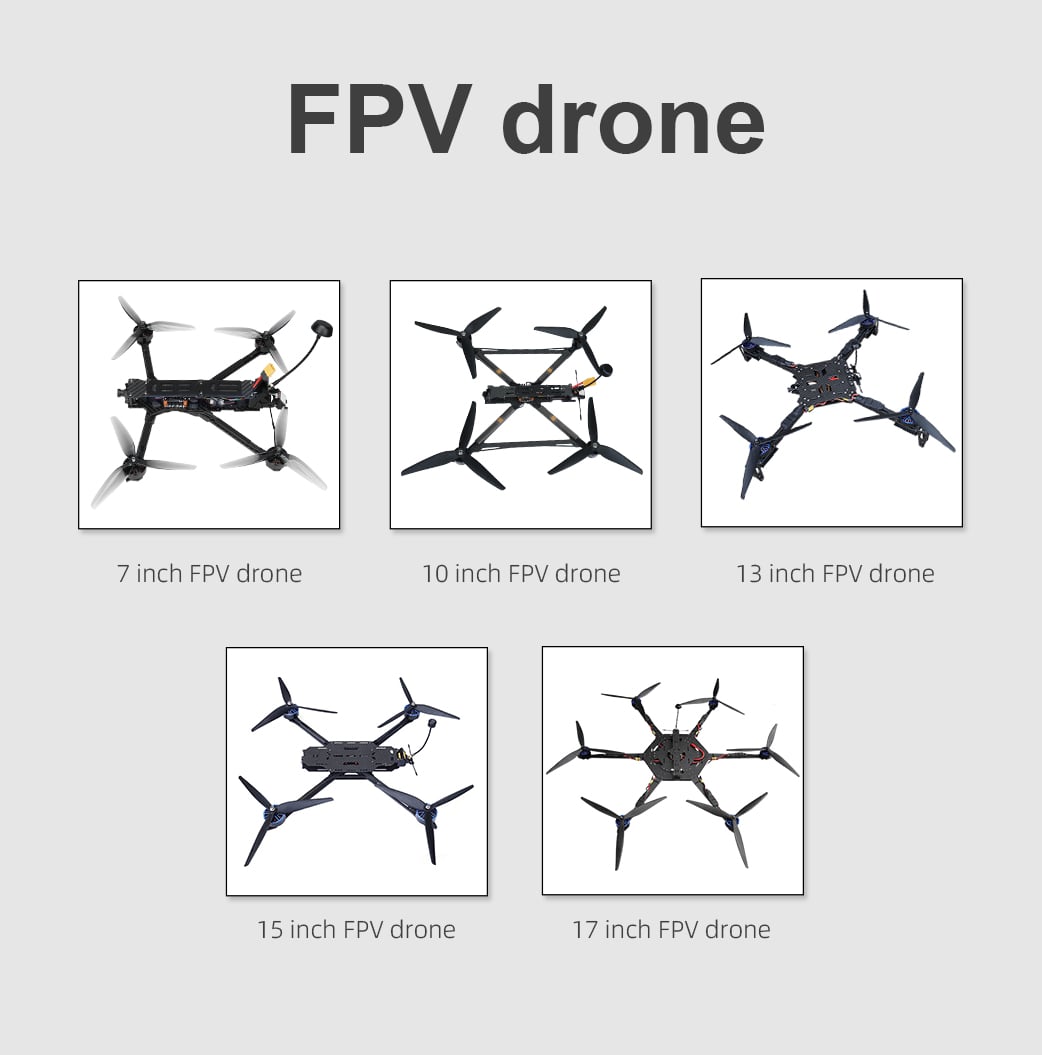
Analog FPV represents a wireless video transmission system designed for first-person view racing drones and aerial platforms. Analog FPV technology transmits video signals through radio frequencies, providing real-time visual feedback to operators controlling remote aircraft. The system operates on analog video standards, delivering live footage directly to FPV goggles or monitors, enabling pilots to experience immersive flight perspectives.
The core function of analog FPV involves capturing video from onboard cameras and wirelessly broadcasting this feed to receiver equipment worn by or positioned near the operator. Unlike digital alternatives, analog FPV systems excel in low-latency transmission, typically offering minimal delay between camera capture and visual display. This instantaneous feedback proves critical for drone racing, where split-second decisions determine competitive outcomes.
Technologically, analog FPV operates across specific frequency bands, commonly including 5.8GHz and 2.4GHz allocations. These frequencies enable reliable signal propagation across considerable distances while maintaining acceptable video quality. The analog FPV infrastructure comprises transmitters mounted on drones, receivers connected to display devices, and antennas optimized for directional or omnidirectional reception patterns.
Applications for analog FPV extend beyond competitive racing into surveillance, photography, inspection, and recreational flying. Professionals utilize analog FPV for infrastructure assessment, environmental monitoring, and emergency response operations. The accessibility and cost-effectiveness of analog FPV systems make them attractive to hobbyists exploring drone technology. Sports enthusiasts embrace analog FPV racing as a thrilling competitive discipline, while commercial operators leverage this technology for specialized aerial tasks requiring real-time visual feedback.

 EN