
 EN
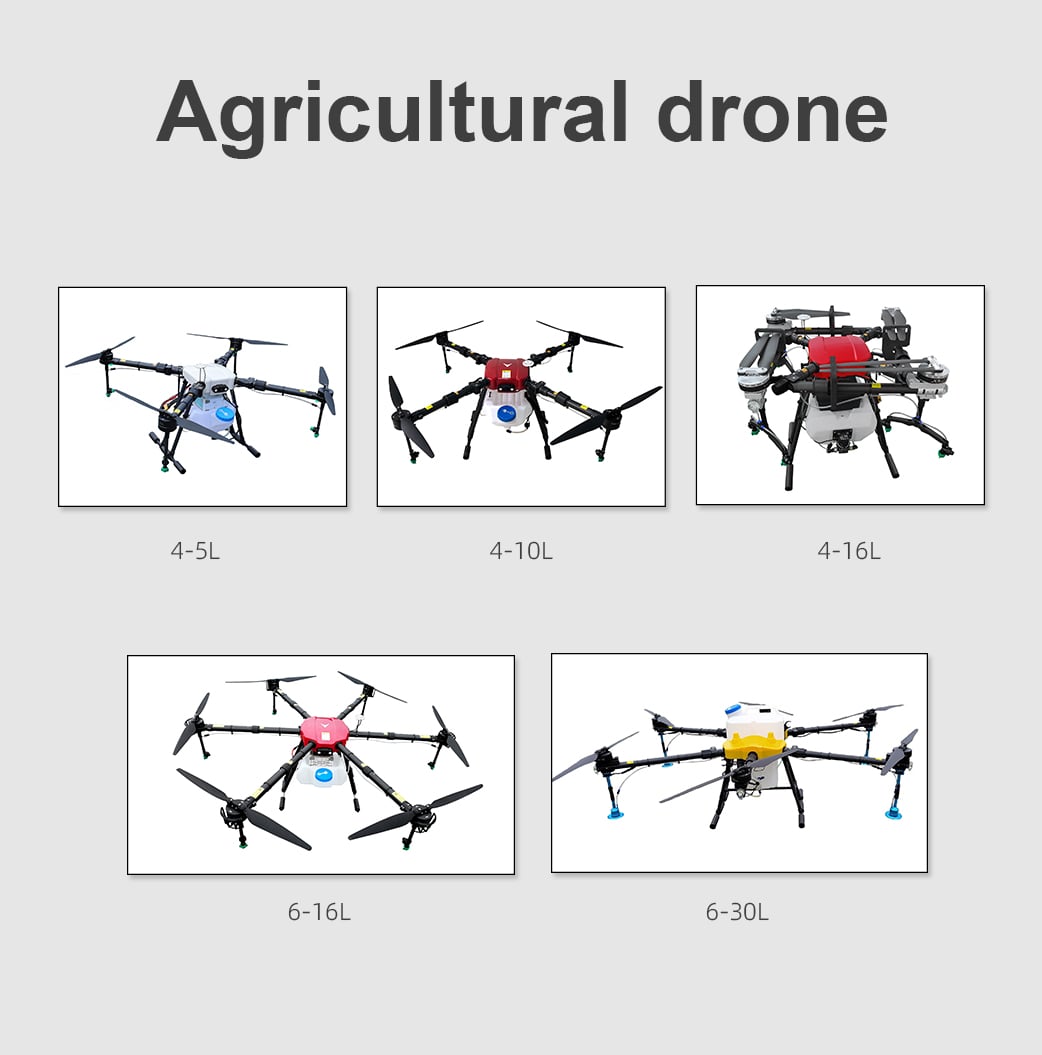
A spray drone needs regular cleaning, inspection, calibration, and careful battery management to remain ready for agricultural work. Spray drone maintenance is not a single end-of-season task; it is a routine built around each operating day, the liquid being applied, and the conditions in the field. A consistent process helps catch wear and contamination before they interrupt a scheduled applicatio .

Practical requirements variae secundum designum tanki, pompam, configurationem dysi, typum batteriae, et directiones fabricantis. Tamen cura dronum pro pulverisatione generaliter sequitur eandem rationem: removere residua, inspicere partes criticas, verificare operationem systematis, et documentare quascumque reparationes. Hoc manuale explicat quid inspiciendum sit ante, durante, et post usum, et quomodo routine adaptanda est cum drono inter tempora conservatur.
Cura cotidiana ante et post pulverisationem
Purgare systema applicationis post usum
Lavare tankum, tubos, filtrorum, et dysos statim post completam applicationem, secundum indicia chemicorum et instructiones instrumentorum. Cura dronum pro pulverisatione debet impedire productum siccum ne restrictum fluat aut reagat cum subsequente mixtura. Utere procedura purgationis idonea, dirigere aquam lavandi ad locum approbatum, et numquam supponere quod tankus visibiliter clarus sit sine residuis.
Remove and inspect accessible filters and nozzle components where the manual permits. Spray drone maintenance includes checking for deposits, cracks, blockage, and uneven wear rather than clearing a nozzle with wire or other tools that could damage its opening. Refit parts securely, flush the system with clean water, and confirm that liquid drains without leaks.
Inspect the airframe and moving parts
Look over arms, fasteners, landing gear, propellers, guards, and wiring before each work period. Spray drone maintenance means checking for cracks, looseness, abrasion, and chemical exposure, especially around joints and cable entry points. A damaged propeller or loose fitting should be addressed according to the manufacturer’s servitium instructions before flight, not monitored while carrying a full tank.
Post-landing, reinspect for new damage, residue, and abnormal heat or odor near electrical components. Drone maintenance is more effective when operators log findings immediately—specifying the affected component and corrective action taken. Such notes help differentiate recurring issues from one-time events and clarify handovers among multiple operators.
System checks safeguarding application quality
Verify pumps, flow, and nozzles
Prior to spraying, inspect pump connections, tubing, seals, and fittings for leaks or kinks. Drone maintenance must include a controlled flow test per the manual’s procedure—with the aircraft secured and the area safely managed. Confirm that the pump starts and stops as intended; investigate irregular flow instead of adjusting unverified settings.
Nozzle output affects whether an application matches its planned rate and coverage, so keep nozzle type and condition consistent with the job requirements. Spray drone maintenance calls for replacing worn or damaged parts with compatible components and checking that all outlets behave consistently. If flow differs between nozzles, clean and retest them before considering changes to flight speed or application settings.
Check sensors, controls, and calibration
Confirm that the controller, positioning system, obstacle sensors, and other installed electronics report normally before a mission. Spray drone maintenance includes checking connectors and cable routing for moisture, impact damage, or looseness. Follow the specified calibration sequence when required, and do not launch if a warning remains unexplained or a critical reading appears inconsistent.
Verificare le letture del livello del serbatoio e i comandi dell'applicazione secondo le istruzioni dell'apparecchiatura, specialmente dopo riparazioni o modifiche software. La manutenzione del drone per irrorazione deve includere anche un breve controllo funzionale a vuoto, affinché gli operatori possano rilevare vibrazioni insolite, ritardi nella risposta o allarmi inattesi. Registrare le date di taratura e ogni regolazione effettuata, poiché impostazioni tracciabili garantiscono operazioni ripetibili tra diversi operatori e campi.
Batterie, registri e requisiti di stoccaggio
Gestire batterie e ricarica in sicurezza
Ispezionare ogni batteria per rigonfiamenti, crepe, terminali danneggiati, contaminazioni o temperature anomale prima della ricarica e prima del volo. La manutenzione del drone per irrorazione richiede l'uso del caricabatterie approvato e il rispetto dei limiti indicati dal produttore della batteria per ricarica, scarica e stoccaggio. Tenere le batterie lontane da umidità e materiali infiammabili; isolare immediatamente qualsiasi unità danneggiata, senza reinserirla nel servizio ordinario.
Allow batteries to cool as directed after demanding flights, and avoid leaving them fully charged or deeply discharged for extended periods unless the instructions specify otherwise. Spray drone maintenance should include recording battery identification, cycle or use history where available, and unusual performance changes. This information helps teams rotate packs sensibly and recognize when a battery needs professional assessment.
Keep service records and prepare for downtime
Maintain a simple log of flight hours, cleaning, inspections, component replacements, software updates, and unresolved faults. Spray drone maintenance records make recurring leaks, vibration, or battery concerns easier to identify before the next busy application window. Include who completed the check and whether the aircraft was cleared for use, so maintenance status is visible to the whole operating team.
Pro longum conservationem, purga et siccata aeronavem et systema applicationis plene, deinde protege eam ab pulvere, humore, extremis temperaturis, et ictibus fortuitis. Pulverizatio dronum in fine anni debet etiam includere remotionem residuorum, inspectionem partium expositarum, et praeparationem bateriarum secundum suam specialem directionem pro conservatione. Ante reditum ad opus, repetere inspectionem praevolaticam et omnem calibracionem necessariam, non confidere in inspectionibus anni praeteriti.
Quaestiones Frequentes
Quotiens dronem pulverizantem purgare oportet?
Purga systema applicationis post unamquamque sessionem pulverizationis, utendo procedura approbata pro producto et apparatu. Pulverizatio dronum includit etiam purgationem superficierum exteriorum, ubi residua vel sordis adsunt, dum tamen evitetur contactus aquae cum partibus quae non sunt ad hoc aptatae.
Quid operatoribus inspicere oportet ante unamquamque volatum?
Controlla la struttura dell’aeromobile, le eliche, i fissaggi, i cavi elettrici, le batterie, i raccordi del serbatoio e gli avvisi del sistema prima del decollo. La manutenzione del drone per irrorazione deve includere una verifica funzionale dei comandi e dei componenti applicativi; ogni anomalia non spiegata deve essere risolta prima di caricare liquidi.
Un drone per irrorazione necessita di manutenzione durante la conservazione stagionale?
Sì. Prepara l’aeromobile e il circuito fluido per una conservazione pulita e asciutta, seguendo le istruzioni del produttore per la conservazione delle batterie. La manutenzione del drone per irrorazione riprende con un’ispezione completa, un test del sistema e le calibrazioni richieste prima del prossimo periodo di applicazione.


